
Air Quality and Your Lungs: Practical Ways to Protect Yourself When the AQI Is High
12 Nov 2026
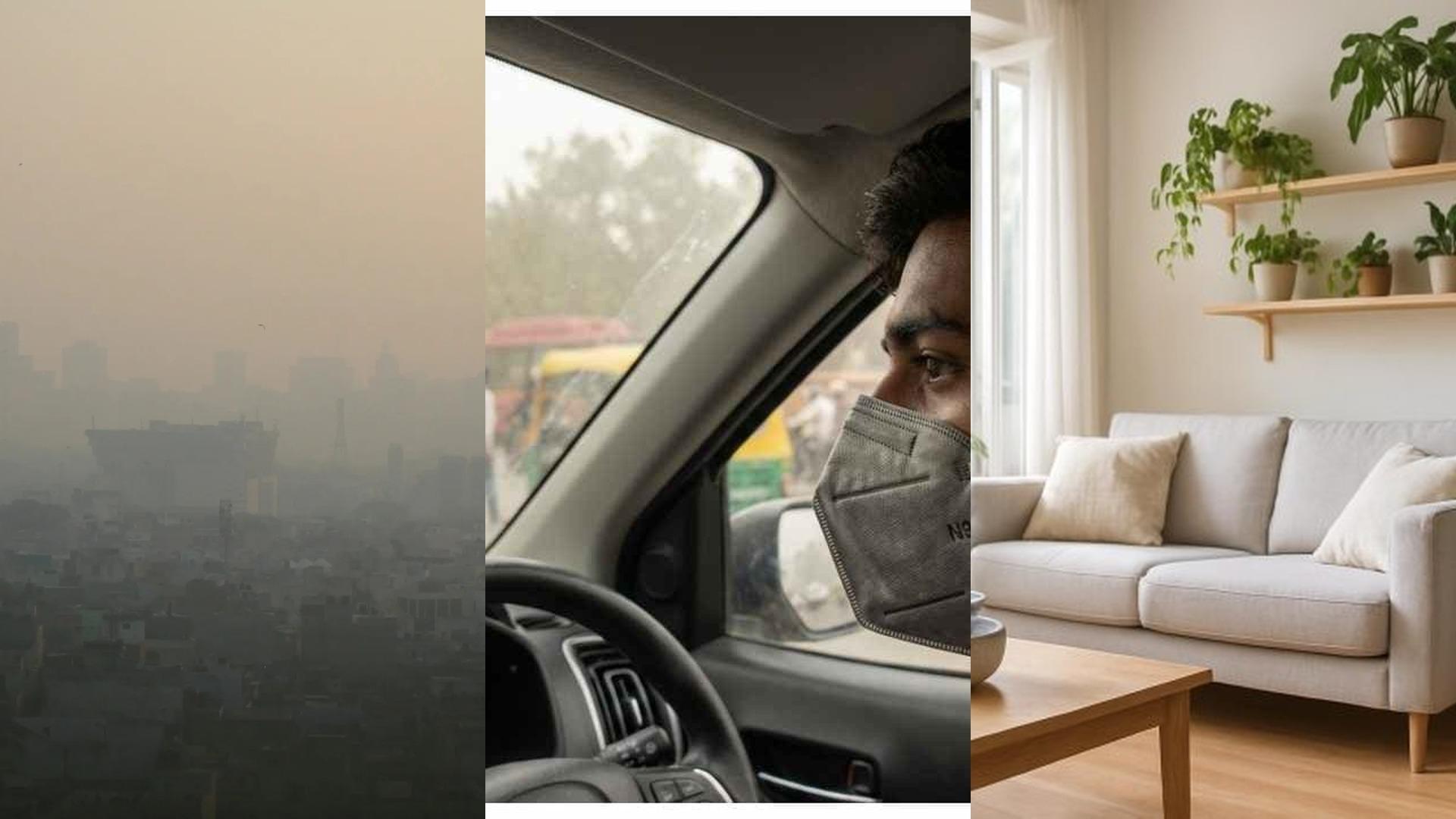
Why Air Quality Matters
Air quality can be a common issue in many cities in India. Many people feel uncertain about what they can do.
While there are things you can do as an individual to limit your exposure, you won’t be able to make the air clean. This is an issue that affects us all. However, there are some practical tips you can use to look after your family.
Understanding Air Quality Index (AQI)
This is a scale which shows how clean or polluted the air is. It is generally measured based on how many fine particles (PM2.5/PM10) and certain gases are present. The results will fall into one of these categories: Good, Satisfactory, Moderate, Poor, Very Poor and Severe.
To get accurate results check a local reliable source e.g. official government air quality app or website. Results can vary depending on where you are and will also change throughout the day. There may also be a difference between air inside and outside.
Fine particles can cause issues as they are very small and can get deep into your lungs. Short term exposure can cause irritation to your eyes, nose, throat and airways. Long term exposure can cause issues to your lungs and heart.
Everyday ways to reduce exposure
PLAN YOUR DAY
Check the AQI and try to go outside when the air quality is at its cleanest. If the air quality is poor try to do any intense exercise indoors.
Inside
On very poor days keep your windows shut. When the air quality improves open windows. Reduce any smoking inside – incense, mosquito coils and candles. Cook with an exhaust fan or chimney. Dust with a damp cloth and mop. Avoid burning anything.
Travel
Try to find less polluted routes. Keep windows up in your car with recirculation on and wear a mask when in heavy traffic.
Children, elderly and pregnant women may be more affected. You can work with schools, carers and families to limit outside play.
Eyes, Nose and Throat
Wash your face and hands after being outside. Try to stay hydrated. If your doctor has recommended you can use saline nasal washes or sprays.
Simple actions for high-pollution days:
Check AQI in the morning and before going outside.
Do workouts indoors.
Keep windows shut and use an exhaust fan whilst cooking.
Mop with water.
Wear a well fitting N95 mask in heavy traffic.
Have your prescribed medication (including inhalers) to hand.
Reduce outside play for children.
Masks and Air Purifiers
A well fitting N95 or similar respirator mask can help reduce your exposure to fine particles. However, cloth and surgical masks will not give much protection. It is important that your mask fits well. Masks will let polluted air in due to the gaps around your nose and cheeks. If you suffer from a heart or lung condition please ask your doctor before wearing a respirator mask for long periods of time.
An air purifier with the correct filters can help whilst inside. Make sure you have the correct size for the room. Make sure you change the filters regularly as the quality of the filters will impact how well it works. An air purifier is not essential for everyone. Avoid using air purifiers which produce ozone. Plants will not really clean the air inside.
What food can and cannot do
There is no food, drink, juice or supplements which will clean your lungs or protect you from polluted air. The best thing to do is to eat to help your general health. A well nourished body will cope better with illness. There is limited research on how diet can help with pollution.
Traditional foods and drinks can be comforting and should be respected. However, they will not protect you. The following can help with general health:
Fruits – Amla, Guava, Oranges, Kinnow, Lemon, Tomatoes, Capsicum, Carrots, Papaya and Leafy Greens. Eat raw, in salads or lightly cooked in sabzis and dals.
Nuts/Seeds – Walnuts, Flax Seeds, Chia Seeds, Sardines and Mackerel. Add nuts/seeds to your curd or porridge. Cook fish (grilled or in a curry). Use cooking oils sparingly.
Nuts/Seeds – Almonds, Sunflower Seeds, Pumpkin Seeds, Chickpeas. Eat as a snack, in chaat or in rotis and khichdi.
Proteins – Dals, Eggs, Paneer, Curd, Fish, Chicken, Sprouts and Soya. Eat regularly.
Drinks – Water, Buttermilk, Soups and Herbal Teas. Drink warm or at room temperature.
During hazy days we don’t get much sun so vitamin D deficiency is common in India. Speak to your doctor to get tested and get advice.
Healthy Lungs
Don’t smoke or be exposed to second hand smoke. Do physical activity on cleaner days. Try breathing and stretching exercises indoors. Ensure you are up to date with vaccinations as advised by your doctor. Manage allergies and asthma as advised.
If you suffer from Asthma, COPD, Heart Disease or Diabetes or are pregnant or on regular medication speak to your doctor to create a plan for high pollution days. Have your prescribed inhalers and medication to hand.
Myths/Facts
Myth – Food or steam can clean your lungs. Fact – There is no research to show this. Food can help with your general health.
Myth – Cloth masks protect you completely. Fact – They will not protect much from fine particles. A well fitting N95 will help more.
Myth – The air is clean indoors. Fact – Particles from outside will get inside. Cooking, smoking and incense will add more.
Myth – Exercise outside is healthy. Fact – Regular exercise is great however it is better to do indoors on poor days.
Myth – Air purifiers solve everything. Fact – They can help indoors however will not completely eliminate exposure. They require maintenance.
Myth – Healthy young people are not affected. Fact – Everyone can be affected however you may not notice.
When to See a Doctor
If you are experiencing a persistent cough, wheeze, shortness of breath, chest tightness, irritation in your eyes/throat, asthma getting worse or unusual fatigue on poor days then please see a doctor.
If you are experiencing chest pain, severe shortness of breath, blue lips, fainting, confusion or difficulty breathing in children/elderly/pregnant please seek immediate medical attention.