
Blood Sugar and Sexual Health: The Diabetes and Intimacy Connection
21 Nov 2026
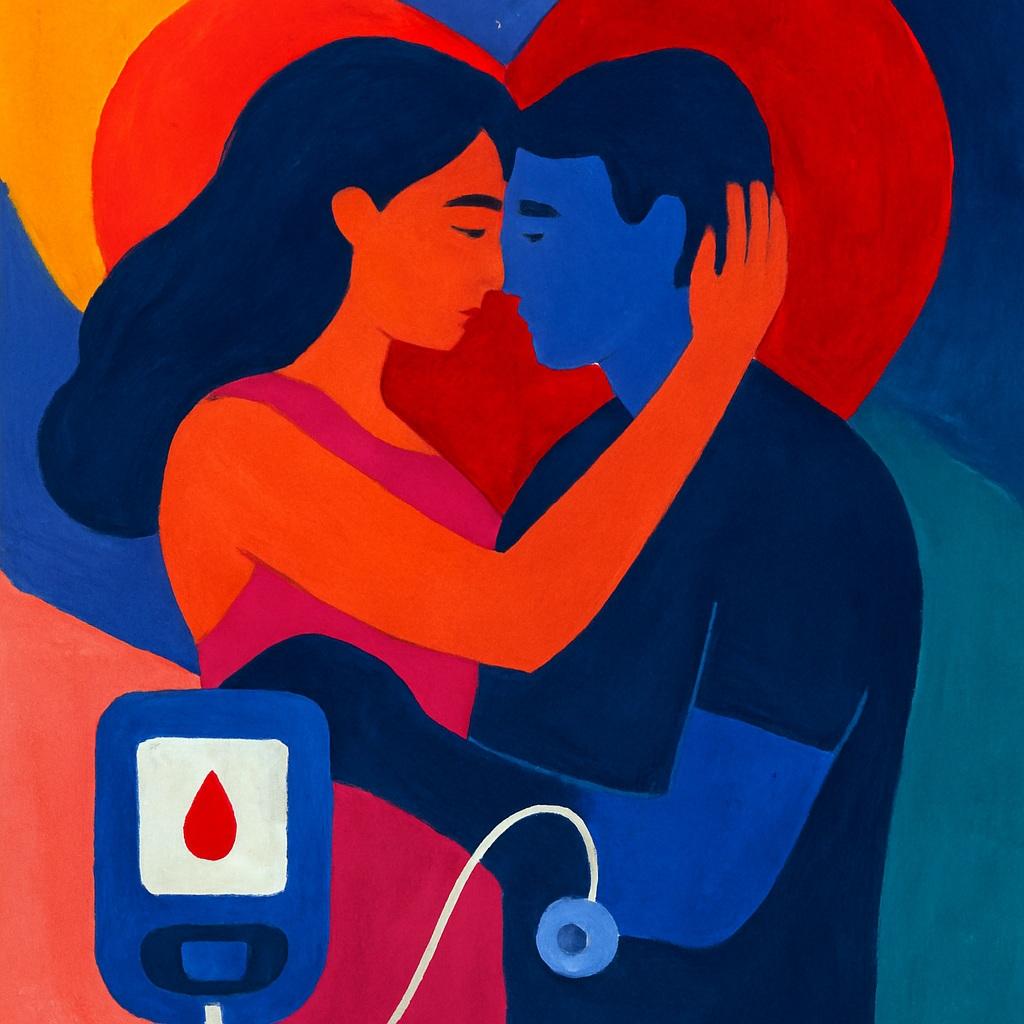
Many people with diabetes are very concerned about their blood sugar levels, weight and cardiovascular system. However, fewer people are open about any concerns they have regarding their sexual health. As this is a sensitive topic, most people try to ignore it.
However sexual health is an important component of health as a whole. If you are experiencing issues with your sexual health, you are definitely not alone! In this post we have explained what could be causing this issue for you and what can help. This information is relevant to anyone, regardless of gender and relationship status.
Causes of sexual health issues due to high blood sugars
If blood sugars remain high over time, they can cause damage to the small blood vessels and nerves throughout the body. This can include around the genital areas. If blood is unable to deliver messages/ nutrients effectively to these regions, the body may not work as expected.
Other causes:
Low energy levels. High or fluctuating blood sugars can cause individuals to feel very fatigued, therefore making sexual activity difficult.
Hormonal changes. Having diabetes and putting on weight can alter hormone levels and decrease desire.
Mood changes. It can be very tough living with a long term health condition. Constant stress can cause a decrease in the desire to be intimate with someone.
Medication. Certain medications for diabetes and high blood pressure can cause issues. We have explained this in more detail below.
Men
Common issues include difficulty achieving or maintaining an erection. Many men also experience a lack of desire, or a lack of energy to be interested in sexual activity. This issue can develop gradually.
It can be very embarrassing for men to raise this issue with people, meaning that they may not tell anyone for years. However, this type of issue can be an early sign of stressed blood vessels within the body. Raising the issue with your doctor early is not a weakness, it is a positive decision.
Women
Common issues include dryness, lack of desire and reduced sensitivity. This can make sexual activity uncomfortable for women and sometimes cause them to avoid it.
Increased infections. Having high blood sugars can make yeast infections and UTIs more frequent. As germs can grow more easily with high blood sugars, repeated infections can cause people to feel very tired and low. This can impact intimacy.
Emotional issues and relationships
Issues with sexual health aren’t always physical. Individuals may feel embarrassed, anxious or less confident. This anxiety can create a bigger issue from a small problem.
Relationships with partners can be impacted by this. If an issue is not raised with a partner, it can make one person feel rejected, and cause the other to feel guilty. Both people may begin to push each other away and create distance in the relationship. Please remember that these issues are very common in people with diabetes, and are not anyone’s fault. Often, these issues improve once blood sugars are in control.
Lifestyle changes to improve sexual health
Whilst these changes cannot ‘cure’ sexual health issues, having controlled blood sugars will benefit the whole body. Over time, many people will begin to see improvements in this issue. The best news is that you don’t need to spend a lot of money to do this!
Foods to include
Oats, Besan Chilla. Wholegrain foods such as Jowar, Bajra, Ragi and Brown rice. In appropriate portions.
Dals and sprouts. Good for filling you up and creating a slow release of energy.
Greens such as Palak, Methi and Sarson, and seasonal vegetables.
Nuts and Seeds. A small amount of Almonds, Walnuts and Flax seeds.
Plain Curd or Buttermilk (no added sugar)
Proteins – Eggs and Fish.
Fruits in moderation. Berries, Guavas and Apples would be a good choice.
As a general guide, fill half of your plate with vegetables, a quarter with Dals/Egg/Fish/Paneer and a quarter with Roti/Rice. Regular meals will help stabilise your blood sugars throughout the day.
Foods to limit
Sugary drinks, Packaged juices, Sweets, Maida based foods (white bread, biscuits) and Deep Fried foods (Samosa, Pakora, Namkeen). Rather than cutting these foods out completely, simply try to eat them occasionally.
Lifestyle changes
Try to go for a 30 minute walk most days. Even a short walk after eating can help!
Try to get 7-8 hours sleep. Getting poor sleep will increase blood sugars and decrease energy levels.
Try to give up smoking. Smoking damages blood vessels and puts extra strain on them.
Limit alcohol intake. Alcohol can affect blood sugar levels and sexual responses.
Take time to relax. Praying, listening to music, chatting with a friend or taking some slow breathing can all help.
Talk to your partner and doctor
Talk to your partner. You do not need to make a long speech. Simply saying "I have been feeling off lately and I want you to know it is not about you" can help. Try to have this conversation at a calm time. Try to listen as much as you are talking to them. Remember that intimacy can be shown in many ways within a relationship! Holding hands, spending time together and being kind all create a warm relationship. If it is difficult to discuss this with your partner, ask them to come with you to the doctors.
Talk to your doctor. Sexual health issues are very common in people with diabetes so there is absolutely nothing to be embarrassed about. Be honest and tell them what issues you are experiencing, and for how long. It can also be useful to tell them what medication you are currently on.
Some medications for diabetes and high blood pressure can cause sexual health issues. If you think this is the case for you, please do not stop or change your medication. This can be very dangerous if done suddenly. Your doctor may be able to change the dose of medication, or suggest a different medication.
Summary
Living with diabetes can impact many aspects of life, and sexual health is one of these. However, this does not mean that you can no longer have a happy and healthy relationship. Small lifestyle changes such as improving diet, going for regular walks, getting good amounts of sleep and being open and honest with your partner can really help.
Improvement may take some time, and you may have some good days and some bad days. Be kind to yourself and your partner. If issues persist, or are causing you concern, please speak to a doctor. There is support out there for you, and you deserve to receive it.