
Cholesterol and Diet: What You Can Control
12 Oct 2026
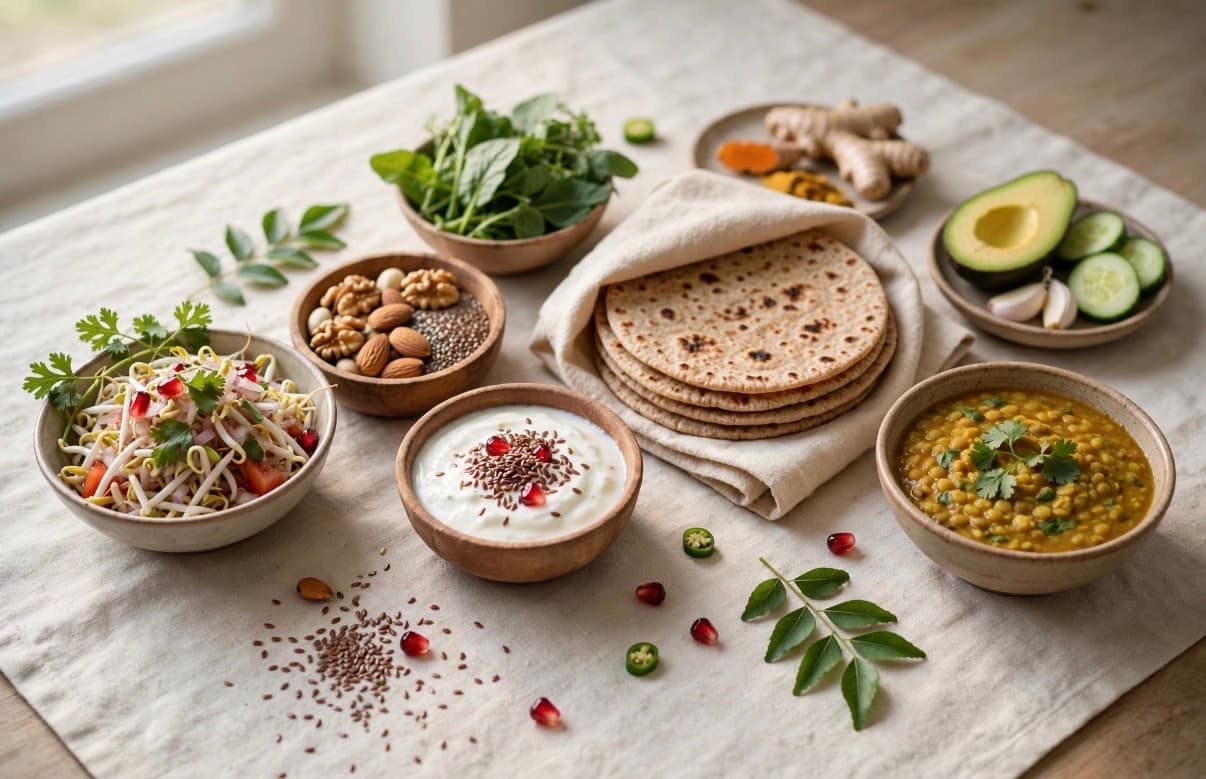
If you’ve ever had to deal with high cholesterol, then you know what it’s like to hear all sorts of advice. Go to the doctor, and you will undoubtedly be presented with a multitude of options on what to do to lower your cholesterol. Eat less egg yolks, stop eating butter, eat more oatmeal, it can get confusing very quickly. There is a lot of good advice there, as well as a lot of bad, but it can be hard to know what to prioritize.
Diet plays a role in regulating cholesterol levels, but it is rarely the entire picture, and it’s worth knowing what that picture actually is.
Cholesterol primer: LDL and HDL
Cholesterol on its own is not a bad thing – in fact, our bodies need it to function correctly. However, too much cholesterol, or the wrong kind of cholesterol, can be detrimental to one’s health. You’ve undoubtedly heard of “bad” LDL cholesterol and “good” HDL cholesterol – the former refers to cholesterol that builds up on the walls of blood vessels and the latter is a type of cholesterol that actually helps to remove cholesterol from the bloodstream. The ideal situation for most people is to have lower LDL cholesterol and higher HDL cholesterol. If you want to know what your ideal LDL/HDL ratio is, then you should consult with your personal physician.
How food impacts cholesterol levels
Saturated fat (found in fatty red meats, butter, and dairy products) and trans fat (mostly man-made, found in fried foods and some processed foods) have a known detrimental impact on blood cholesterol levels – especially the former. The intake of trans fats has been largely regulated over the last decade or so, so they’re not as harmful as they used to be. On the other hand, fiber (found in whole grain foods, fruits, and legumes) and unsaturated fats (olive oil, nuts, and fatty fish) can help reduce the amount of bad cholesterol in the blood. Replacing some food high in saturated fats with fiber or unsaturated fats can help achieve an ideal cholesterol ratio, but it’s not the sole factor in the equation.
It bears repeating, but none of it is a magic solution – simply a tool to help shape your diet and lifestyle. Fiber and unsaturated fats can reduce bad cholesterol, but it’s not a substitute for an otherwise unhealthy diet and lifestyle.
What to eat: a (very) partial list of helpful foods
On the whole, the best thing to do is to adopt a heart-healthy diet that suits your needs and the guidelines issued by your personal physician. That said, certain foods are known to contribute to the lowering of LDL cholesterol and raise HDL cholesterol:
• Oats and whole grain cereals
• Legumes
• Nuts (in moderation)
• Fatty fish (salmon, sardines, etc.)
• Olive oil instead of butter or other fats
• A generally higher intake of fruits and vegetables
• Limiting the intake of frying and processed foods
Why some people eat healthy but still have high cholesterol
Some people will do everything right and still have high cholesterol. There are genetic reasons that may be keeping you from the LDL cholesterol reduction you desire. One of the more common reasons for that is a condition called familial hypercholesterolemia – a genetic disorder that limits the body’s ability to remove LDL cholesterol from the blood. This can often
be a contributor to high LDL cholesterol regardless of diet and exercise. Genes also play a role in how sensitive a person is to the effects of diet on their cholesterol levels – some people are genetically gifted, so to speak, and can eat whatever they want and still have normal cholesterol levels, while others have a predisposition to high cholesterol.
If you already try to maintain a healthy diet and regular physical activity but still have high cholesterol, then that is not a sign that your diet and activity are to blame.
You should speak with your individual physician about what options are open to you. Cholesterol can be a tricky thing, so individual assessment is paramount.
A balanced diet is a crucial cornerstone in a healthy lifestyle, but it is not a complete solution. Food is not a magic bullet for high cholesterol, but genetic predispositions, overall physical activity levels, and certain medical conditions can also play a role.
If you are experiencing cholesterol levels, then consulting with a medical professional is the best option. They will be able to analyze your personal health and recommend a treatment plan that considers your overall health and possible risk factors. Simply following dietary advice without that advice being tailored to you is not the ideal way to lower your cholesterol.