12 Oct 2026
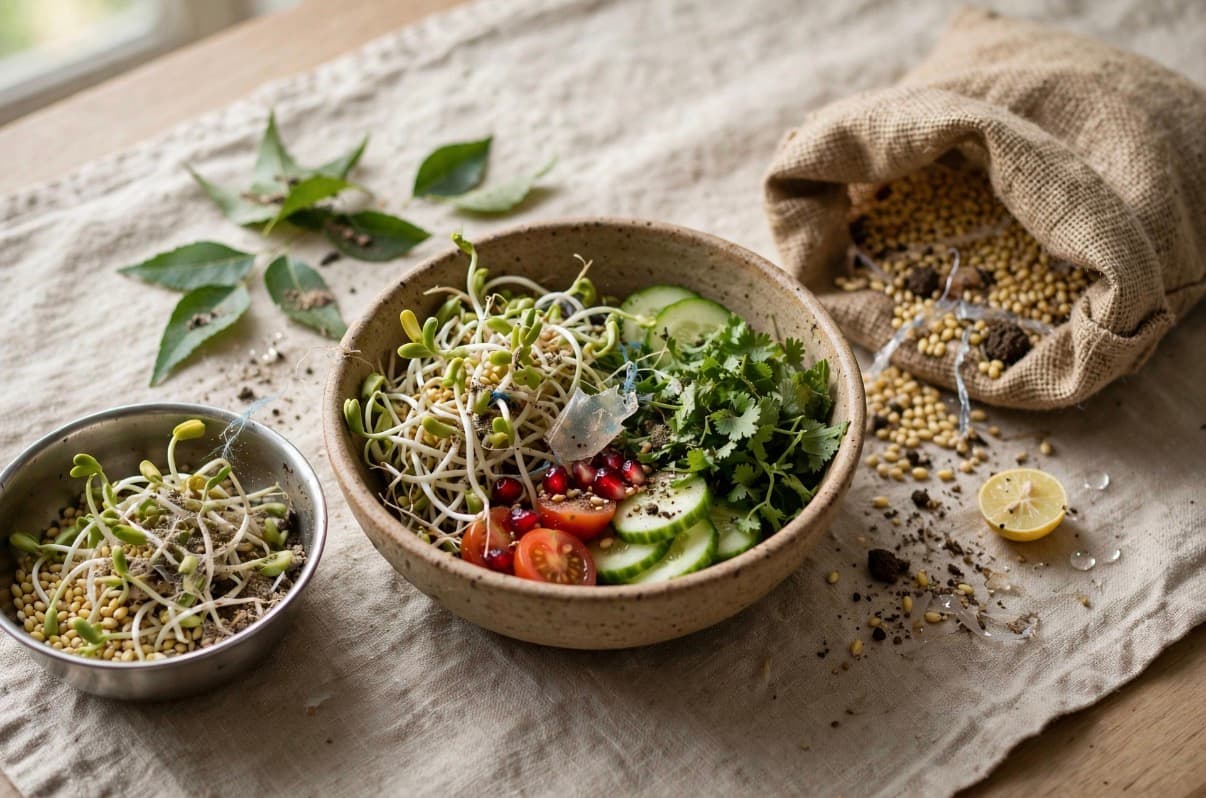
While I've thought about this before, I'm especially interested in hearing people's thoughts due to the prevalence of this trend. "Clean Eating" is one of these ideas that seems a little innocent, but with further inspection, appears to have an underlying double meaning
How the term became popular
Clean eating started as a simple idea. Eat more of the things that are minimally processed. Focus on eating food that is more closely associated with nature, such as vegetables, fruits, grains, and other plant products. While this isn't groundbreaking information, it's been reiterated by the same basic message from nutritionists for as long as people have been paying for those services. The Instagram and food blog culture gave "clean" a certain aesthetic appeal, making it a part of a branded experience that turned it from a broad guideline to a specific look that had to be achieved. Once something is a hashtag, it's inevitably turned into something beyond its original context, becoming more a part of self-promotion and image than the food and nutrition it was originally associated with.
What the original idea looked like
Outside the Instagram part, the original concept of clean eating is actually quite simple. It's a more minimally processed approach that doesn't focus on trendy superfoods or require its own unique purchasing experience
A few common examples of foods associated with this diet include:
Fruits, frozen vegetables or produce, and canned goods. Things that have been processed, but still maintain most of their nutrients.
Whole grains, such as oats, brown rice, quinoa, whole wheat, or regular white rice, pasta, or bread depending on personal preference, alongside more protein dense foods such as legumes, beans, and eggplants, especially their canned versions. These are typically more affordable and accessible.
Eggs, plain yogurt, chicken, fish, tofu, or other foods as preferred depending on the individual's budget, taste, and nutritional needs. Everything that is needed for a balanced diet without requiring any special shopping.
Nuts, seeds, and olive oil as sources of healthy fats.
Water, and optionally black coffee or tea as drinks, with other beverages allowed in moderation, as part of the balanced approach to eating.
None of these things require going out of the way or extra spending to achieve, aside from the personal preferences of an individual selecting things they actually enjoy eating. These are all whole foods that, either in their natural state or after minimal processing, contain nutrients the body needs to function. The only additional requirement is avoiding eating highly processed foods as a main course, as well as focusing on the quality of nutrients rather than counting them. That's it, really. This is the barebones idea of "clean" eating, and it doesn't actually require any more effort than eating a reasonably balanced diet that includes things that are already common for most people.
MARKETING, NOT SCIENCE
The issue with this concept is that it has no real definition. There are no governing bodies that decide what qualifies and what doesn't. This means that companies can use the term for their own purposes, which isn't much of a problem for most people. "Clean" has become a way of marketing a product as healthier than it is, or different from the competition. Companies know that people are willing to spend more money on something that they perceive to be better, even if it isn't objectively so, and they use that to their advantage. Because there are no standards, even products that most nutritionists would label as unhealthy can claim to be "clean" in order to get a higher price, special marketing, or both.
How it can turn into a disorder
The problem that arises when people try to apply this concept to their own lives is that they start viewing food as good or bad. Anything that has been processed or doesn't come in a version that meets their personal standards for "clean" is suddenly not a food they can eat in good faith. This can be incredibly stressful on a person, especially when they have to consider every possible item and how comfortable they are in their choice when they're shopping, eating out, or visiting someone's home. This behavior can interfere with day-to-day life to a serious extent. There's a term among doctors for this kind of unhealthy relationship with food and the way it affects a person's life, although it's not strictly an eating disorder, but orthorexia nervosa is not officially recognized in medical literature. The concept is still useful, however, as most therapists and nutritionists have seen cases of unhealthy extreme food behaviors and see them as a form of obsession with control that takes a serious toll on a person's life.
It's also important to remember that this problem doesn't only appear in cases of extreme pickiness. People might feel guilty or embarrassed if they can't keep to the strict standards they set, or when those rules are circumvented by other factors. They might keep their eating habits a secret due to shame or the belief, instilled by the disorder, that they are somehow better or more healthy than others. That sort of behavior could be considered normal under the guise of the "clean eating" trend just as easily as not, and it's worth being mindful of what kind of pressure those kinds of things can put on people.
What can be done
I don't believe that whole foods are inherently wrong, or that any of this should hold a person back from trying to improve their diet and lifestyle. The importance is in recognizing the pressure the trend puts on people, so they can avoid it. As far as suggestions go, here are a few that I think help in these situations:
Think critically about whether certain marketing tactics or the presence of specific words are used against you in any particular context, especially if they are intended to pressure you into feeling bad about your decisions
Follow the broad nutritional guidelines that apply to everyone, rather than focusing on extremes. Most things fall somewhere in the middle, and there are plenty of foods that shouldn't be avoided despite some of their traits being labeled as "unhealthy" in popular media
Pay attention to how you respond to certain foods. The physical responses are important, but emotional reactions shouldn't be ignored.
Seek professional help if food rules are negatively affecting other parts of your life, or if the only way to enjoy meals is to follow strict guidelines.
Keep in mind that nutrition and a balanced diet are important, but they don't have to be perfect, especially when it comes to how difficult or inaccessible certain rules may be. Being able to prepare affordable meals using minimally processed ingredients is also a part of health and should be considered when choosing the way you eat.
Eating healthy should not, and does not have to, become a chore or a source of stress. In fact, it doesn't have to change much at all aside from focusing on the quality of meals that is already an important consideration. This is the barebones of all nutrition, really. It's as simple as making sure that the food you eat has enough of the substances that your body needs to function properly, and it's not as difficult as diets that require specific counting or preparation.
