
Do Nuts Make You Fat? Myths Versus Facts About Eating Nuts
12 Oct 2026
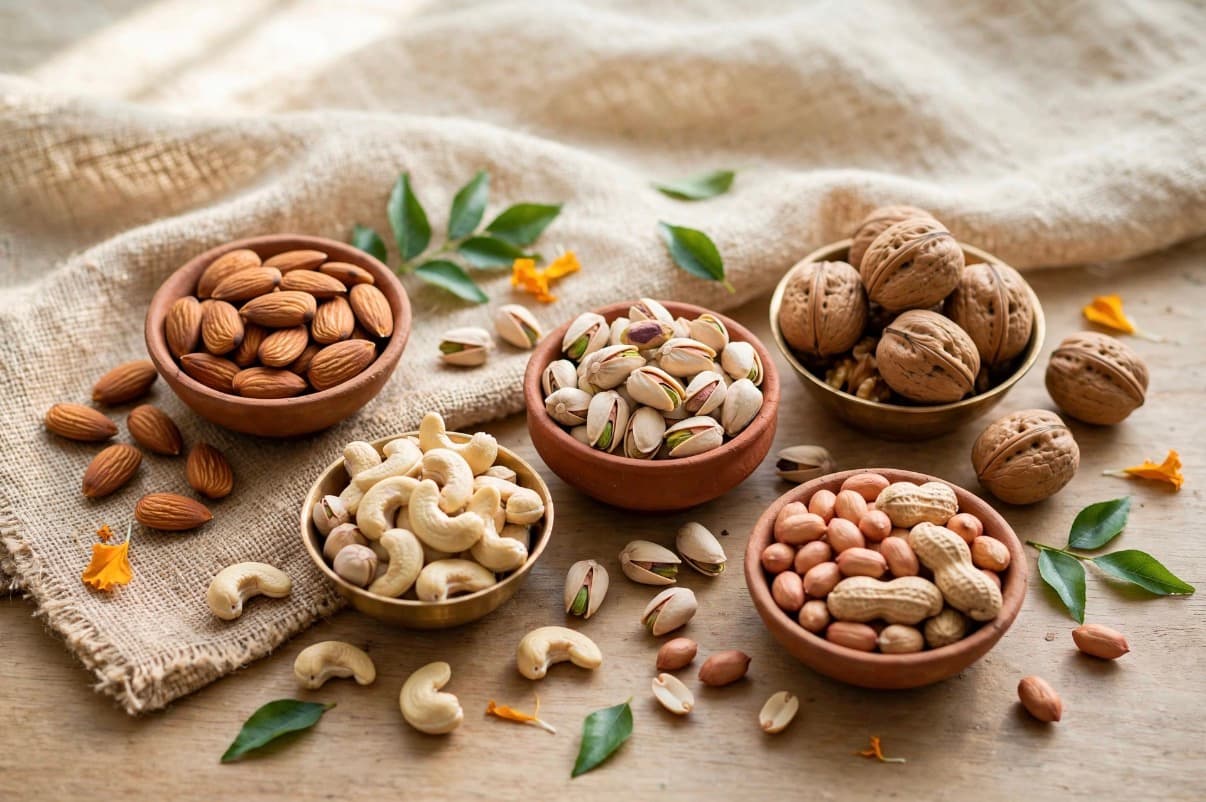
Nuts have a reputation for being food to be careful around. The logic behind this is sound. Nuts are energy dense, meaning a small amount provides a good amount of energy, and most of that energy comes from fat. From there, it's a small step to assuming that eating nuts must lead to weight gain
The research paints a more balanced picture, and it's worth considering before deciding whether nuts belong on your everyday eating plate.
What the research suggests
Nuts have a good nutritional profile. They provide unsaturated fats, fibre, plant protein and minerals such as magnesium. Studies generally haven't associated moderate nut consumption with weight gain. One reason might be that nuts support fullness, which can make it easier to feel satisfied between meals.
It's also fair to say that the evidence is still developing, and the results vary between people. Nuts aren't a weight loss food or a magic pill. They're one part of an overall eating pattern, and they work best as a thoughtful addition to meals you already enjoy.
Myths versus facts
Myth: Nuts are too fattening
Fact: Nuts do contain fat and are energy dense, but most of that fat is the unsaturated kind, and they also provide fibre and protein. It's portion awareness that matters. A small handful is a good everyday reference
Myth: Only almonds are healthy
Fact: Almonds are a good choice, but they're not the only ones. Walnuts, cashews, pistachios and peanuts all provide a slightly different mix of nutrients. Eating a variety is a simple way to benefit from all of them.
Myth: Soaked nuts are always better
Fact: Soaking softens nuts, and some people find soaked almonds easier to chew or digest. However, there isn't much evidence that soaking provides a major nutritional advantage. Soaked or dry, choose the form you enjoy and tolerate well.
Myth: Salted or flavoured nuts are the same as plain
Fact: Not quite. Unsalted or lightly roasted nuts are generally a better everyday choice. Heavily salted, sugar coated or fried versions add salt, sugar and extra oil that plain nuts don't have.
Myth: Nut butters are just as good as whole nuts
Fact: Nut butters can be nutritious when the ingredient list is simply nuts. Many products, though, include added sugar, salt or oil, so it's worth reading the label. A spoonful of nut butter can also be eaten quickly and in larger amounts than intended, while whole nuts are chewed slowly and are easier to portion.
Nuts and seeds to try, and easy ways to eat them
Almonds: a small handful with breakfast, or chopped over poha or upma.
Walnuts: broken into curd, or eaten alongside a piece of fruit.
Cashews: a few added to upma, or enjoyed as part of a mixed snack.
Pistachios: in the shell as a mid-afternoon snack. Shelling them slows you down.
Peanuts: dry roasted and unsalted, tossed into poha, or in a jaggery chikki as an occasional treat.
Pumpkin seeds: sprinkled over curd, salads or sabzi.
Sunflower seeds: stirred into a homemade snack mix or added to chikki.
Flax seeds: ground and mixed into curd or roti dough.
Chia seeds: soaked in milk or curd and eaten with fruit.
Who should take extra care
People with a nut or seed allergy must avoid the foods they react to. Anyone with a kidney condition or digestive issues, or who follows a diet advised by their doctor, should check with a doctor or registered dietitian before changing how much they eat.
Nuts aren't the problem they're made out to be. In sensible portions and in plain or lightly roasted forms, they can be a nourishing part of everyday eating. They're best viewed as one useful food among many, and not a solution to anything on their own.