
Eat your sunscreen: Antioxidant-rich foods that build internal UV defense
18 Nov 2026
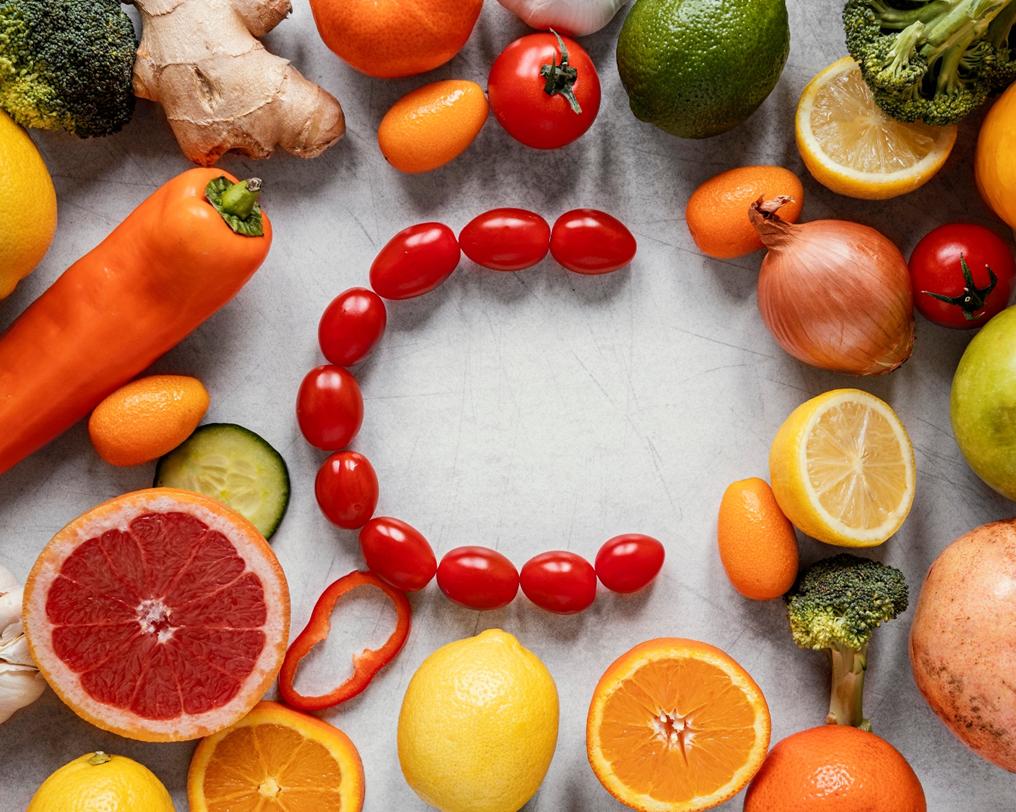
Most of us use sunscreen for external protection from harmful UV rays, but it only provides external protection. What about the internal protection from the harmful UV rays, along with external protection, the internal protection is also important, so how to protect the body internally? For this, eat your sunscreen! In the form of antioxidant-rich foods. Let’s see how we can protect our body internally from the harmful UV rays and why it is necessary.
It is important to note that topical sunscreen cannot be replace by food, the diet just act as a backup defense system that boosts your skin and at the same time it protects it.
The UV radiation that comes from sunlight is damaging to skin cells as it creates free radicals. This happens when the free radicals exceed the skin cell’s ability to deal with oxidative stress.
Dietary antioxidants deactivate free radicals.
Sunlight hits your skin in two main forms: UVB rays (which burn the surface) and UVA rays (which penetrate deeper and cause aging). When these rays hit your skin cells, they spark the creation of unstable molecules called free radicals. Left unchecked, free radicals trigger oxidative stress, a chain reaction that breaks down collagen (the protein keeping your skin firm), triggers painful sunburns, and speeds up fine lines and dark spots.
Antioxidants are the body’s natural peacekeepers. When you eat antioxidant-rich foods, those compounds travel through your bloodstream and settle into your skin layers. There, they intercept free radicals and neutralize them before they can damage healthy skin cells or alter your DNA. While food won't bounce UV rays off your skin like mineral sunscreen, it helps your skin recover faster and handle sun exposure with far less inflammation.
Let’s go through some edible sunscreen foods and their key compounds :
Lycopene: found in tomatoes, Lycopene is a bright red plant pigment that is especially good at calming UV-induced redness. Unlike most vitamins that break down with heat, cooking tomatoes actually unlocks more lycopene.
Carotenoids: Found in carrots, sweet potatoes, pumpkin, and spinach. The body converts beta-carotene into Vitamin A, which is vital for healing damaged skin cells. In a matter of weeks, while maintaining a regular diet, carotenoids build up in the outer layer of your skin to help shield you from UV rays.
Polyphenols: found in green tea and dark chocolate. These compounds reduce the skin inflammation triggered by sun exposure, improve blood flow to the skin, and support your cells' natural DNA repair mechanisms after sun exposure.
Vitamin C and E: Found in Bell peppers, citrus fruits, strawberries, and broccoli (Vitamin C); almonds, sunflower seeds, and avocados (Vitamin E). Vitamin C helps in collagen building, and vitamin E is good for the skin cell membrane.
Just as whole foods build up your skin barrier, certain everyday habits can leave it more vulnerable to sun damage. Excess refined sugar, alcohol, and ultra-processed foods can lead to an increase in oxidative stress and inflammation.
Building internal sun defense doesn't require an overnight diet. It’s all about consistency over weeks, not a single salad before a beach trip. Start simple this week: aim to add at least one red, orange, or dark green antioxidant-rich food to every meal, right alongside your daily broad-spectrum SPF 30+. Your skin will thank you today and ten years from now.