
Eating Well at Airports and Railway Stations: Making Good Choices When Options Are Limited
21 Nov 2026
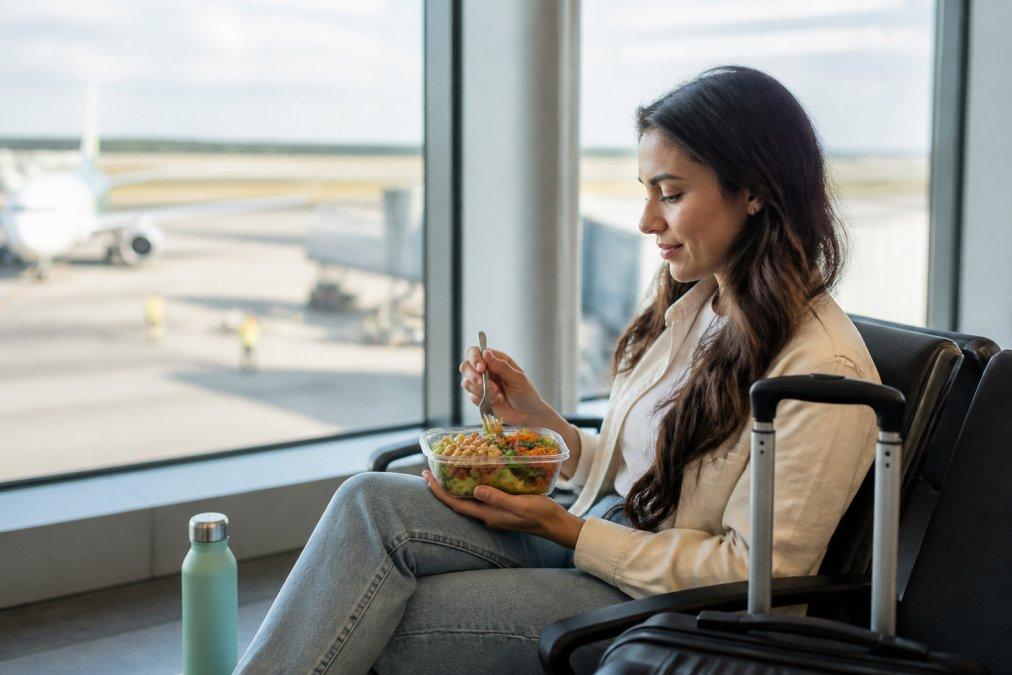
Although there may be fewer choices at airports or train stations, and many of the options may be expensive or fried, there is nothing to be guilty about when making choices in these circumstances. We are simply trying to get a reasonably comfortable meal. Below is some general advice which can be tailored to your journey.
Challenges at Travel Hubs
Limited choice, long queues and eating at unusual times can make eating difficult during travel. With boarding times and arriving at stations, we may be pushed for time to eat. Often the quickest/ most accessible options may not fill us up. There is a lack of research around specific foods to eat during travel, and people may find different foods work well for them. The following tips may help give you balanced energy and comfort during travel.
Before Travel
Eat a proper meal before travelling. You can take a mini snack including (nuts, roast chana, makhana, fruits (that last well), khakhra, thepla, homemade roti/paratha with dry sabzi). If you are doing a short journey you can also take boiled eggs in a sealed container. Bring a refillable bottle. Check the rules for what you can take in your bag at the airport.
At Airports
Good options include: idli, upma, poha, Dal and Rice, Roti and Sabzi, Curd/ Raita, Vegetable/ Egg/Paneer Sandwiches, Fruits, Fresh looking Salads, Soups, Buttermilk, Coconut water, Plain Lassi. To get balanced energy and comfort, try combining filling options (proteins/fibre) with lighter options.
On Train Stations and Trains
Filling hot options include: idli, dosa, vada, paratha, Dal, Rice, Khichdi, and boiling water tea. Whole fruits (bananas and oranges) are good to eat. Be cautious of cut fruits, raw salad, open foods, and drinks with unknown water quality. A busy stall with quick turn over is generally a good option.
Limited Options
Try to combine protein/fibre/vegetables with comforting foods. Fruit and nuts, or a sandwich and buttermilk are both great options. Every once in a while it is fine to have a fried option.
Long Delays or Overnight Journeys:Try to avoid going too long between meals, and overeating. Taking regular snacking options and drinking water will help. If you find heavy, very spicy meals, or very late meals are causing issues sleeping, lighter options may be preferable.
Good Options to Take on Travels
Idli/Upma/Poha – Hot from airport cafes or station stalls.
Dal/Rice/Khichdi – From seated service or train trolley. Eat as soon as possible.
Roti/Paratha and dry sabzi – Take from home and eat in your seat.
Vegetable/Egg/Paneer Sandwich – From airport counters, eat fresh in waiting areas.
Curd/Raita/plain Lassi – From airport counters. Can be eaten cold with a meal.
Banana and Oranges – Can be taken/bought. Peel and eat anywhere.
Nuts/ Roast Chana/ Makhana – Take in a small container to eat at the gate or on a berth.
Khakhra/Thepla – Take from home and eat dry as a between meal snack.
Drinks
Easy options include water, buttermilk, coconut water, nimbu pani and herbal teas. Tea, coffee and fizzy drinks can be expensive for long journeys and may cause issues sleeping in some people. Alcohol can make you feel extra tired, particularly as you may be dehydrated at high altitudes and in dry environments.
Special Diets
Those who follow vegetarian/vegan/Jain/Halal diets, those fasting, those with allergies and those with diabetes, coeliac disease, kidney problems, or heart problems may have even more limited options. Ask staff for information on ingredients, as cross contamination/ sharing of oil is common. Take any prescribed emergency medications. Take medications and eat as advised by your doctor.
Food Safety
Wash or sanitise hands.
Eat freshly cooked hot foods.
Check use by dates and packaging.
Be cautious of unchilled foods in hot temperatures.
Avoid eating if it looks/smells off.
Those that are pregnant, elderly, very young or immunocompromised should take extra care. If you become sick (vomiting/diarrhoea), have a fever, blood in your stools, or symptoms of dehydration, seek medical advice.
Myths
Myth: Food at airports is a bad option. Reality: Many airports have options to include idli, dal and rice, fruits and sandwiches. Usually if you take a quick look around there is a satisfactory option.
Myth: It is easier to skip meals whilst travelling. Reality: This can make you feel tired and hungry at an inconvenient time. Eating smaller, more regular meals is often more comfortable.
Myth: Packaged foods are bad. Reality: In limited options, packaged foods can be a good option. Check the packaging and use by date. Combine with a filling food.
Myth: Special diets are needed to travel well. Reality: Most of the time, eating familiar foods that you know you can tolerate and enjoy will work well. If you have a medical condition, follow advice from your doctor.
Myth: Having a bad meal will ruin your trip. Reality: Just because you have had a bad meal doesn’t mean your trip is ruined! You will be able to have a fresh start at the next meal.
Before travelling
If you have a medical condition, are pregnant or have special dietary requirements, speak to a doctor or registered dietitian to make sure it is safe to travel with your diet and medication.