
Foods that fight hot flashes: What science says about phytoestrogens
28 Oct 2026
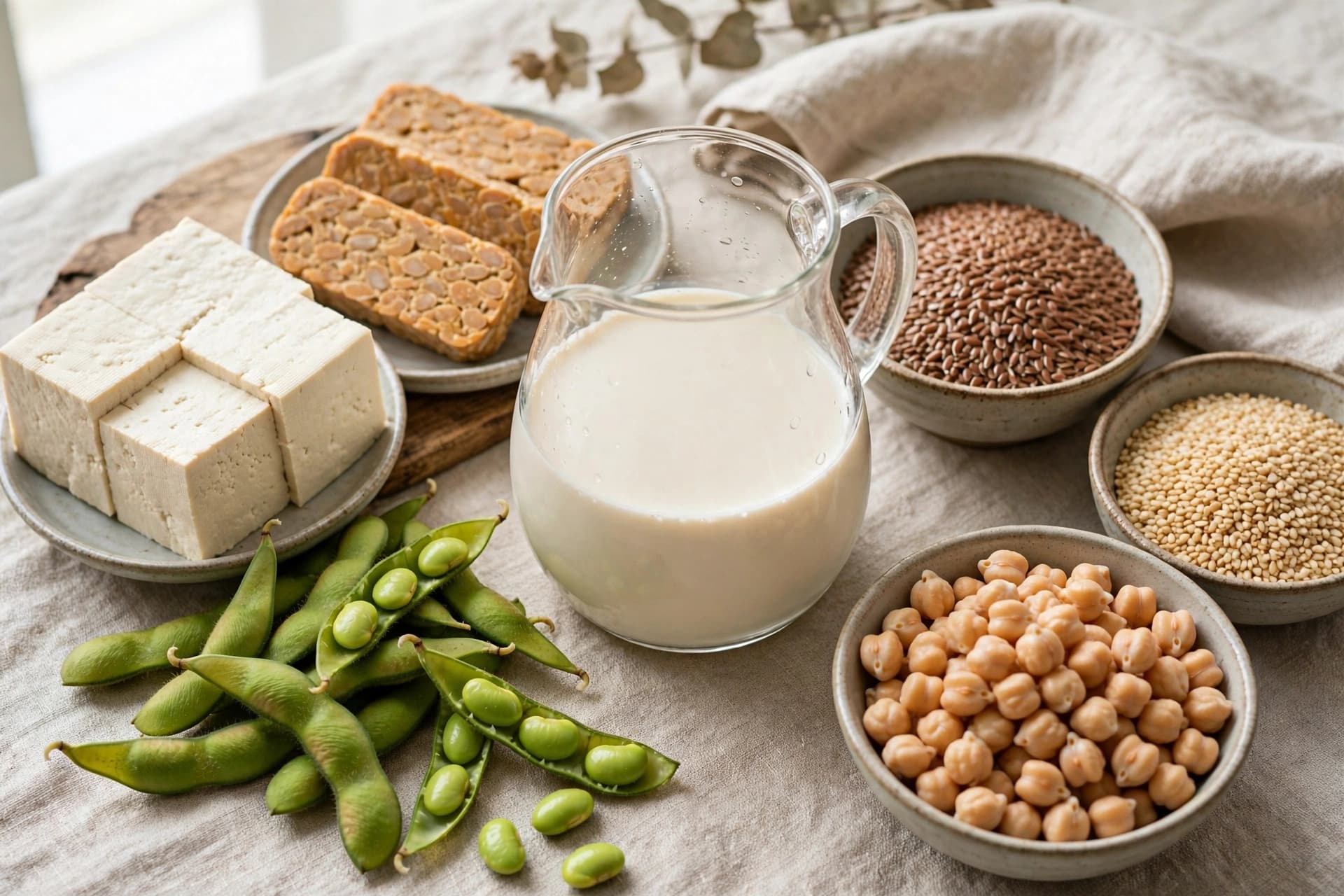
Have you ever had a sudden onset of sweating/ chills, or a sudden wave of heat? It is the most common symptom of menopause, and most women in perimenopause and menopause experience this symptom. So, before menopause starts, there is a phase called perimenopause, which mostly starts in the late 40s. In perimenopause, there is hormonal fluctuation, which is the reason why symptoms occur, such as irregular periods, hot flashes, night sweats, and fluctuations in weight. After perimenopause, menopause starts, during which there is a drastic decline in estrogen levels, and symptoms like hot flashes and other symptoms become more severe.
So, to fight this, there is a plant compound called phytoestrogens, which mimic the estrogen hormone. Research says that including phytoestrogens in the diet lowers the frequency of hot flashes and the severity of other symptoms.
There are two main types of phytoestrogens:
Isoflavones: Include chickpeas, soy products like soybeans, soy milk, tofu, edamame, and other legumes
Lignans: found in flaxseeds, sesame seeds, whole grains, and vegetables.
Coumestans: found in sunflower seeds and bean sprouts.
The possible variability in the therapeutic efficacy of phytoestrogens in the management of menopause can possibly be attributed to a woman’s intestinal bacteria and their capacity to metabolize the phytoestrogens into therapeutic compounds in the body.
Research has also shown that a diet in low fat and vegan diet and including soyabeans in the diet these are associated with lower menopausal symptoms.
Here are some do’s and don’ts to reduce the symptoms:
DO’s - Include phytoestrogen foods which are mentioned above. Try to adopt Mediterranean-style eating (include lots of fruits and vegetables, nuts and seeds, whole grains, legumes, fish, chicken; include a moderate amount of dairy products and include olive oil for cooking).
Hydrate your body properly. And maintain your ideal body weight,
DON’TS - Alcohol, caffeine, spicy foods, very hot beverages, heavy meals. Causes vary from person to person; recommend a symptom diary for this.
So do apply all this to your daily lifestyle, and this may help to reduce your menopausal symptoms.