
Gut Health and Weight Loss: Probiotics, Fibre and What Really Works
15 Oct 2026
Gut Health and Weight Loss: Probiotics, Fibre and What Really Works
Could the microbes in our gut impact our body weight? There is certainly evidence to suggest so, although this area of research is still in its infancy. This article will explore the current state of the science, identify foods that support the health of your digestive system and discuss the extent of the marketing hype.
What the science says about the gut and body weight
The food pipe is home to a diverse range of microbes commonly referred to as the gut microbiome. These microbes aid in the digestion of indigestible substances, create metabolites that nourish the gut lining, and even interact with hormones that regulate feeling of fullness. The composition of the gut microbiome tends to differ between normal-weight people and those who are overweight or obese, and the microbes can influence energy harvest from food.
That said, a lot of the evidence comes from animal studies and associations, which indicate a link but not necessarily a cause-and-effect relationship. It is hard to say if the microbes in the digestive system lead to weight gain, are a consequence of it, or share some other connection. Genetics, stress, certain medications, and other factors besides the gut microbiome affect body weight. Gut health might be one thread in a complex tapestry.
Fibre: the strongest everyday evidence
As far as diet and gut health are concerned, fibre is the most well-documented nutrient. It is present in plant foods and is indigestible by the human body. There are two main types of fiber – soluble and insoluble. It creates a sense of fullness by bulking up the stool and slowing down the emptying of the stomach. Insoluble fibre promotes bowel movements and prevents constipation. It also fuels the friendly bacteria in the colon, which produces metabolites that nourish the gut lining.
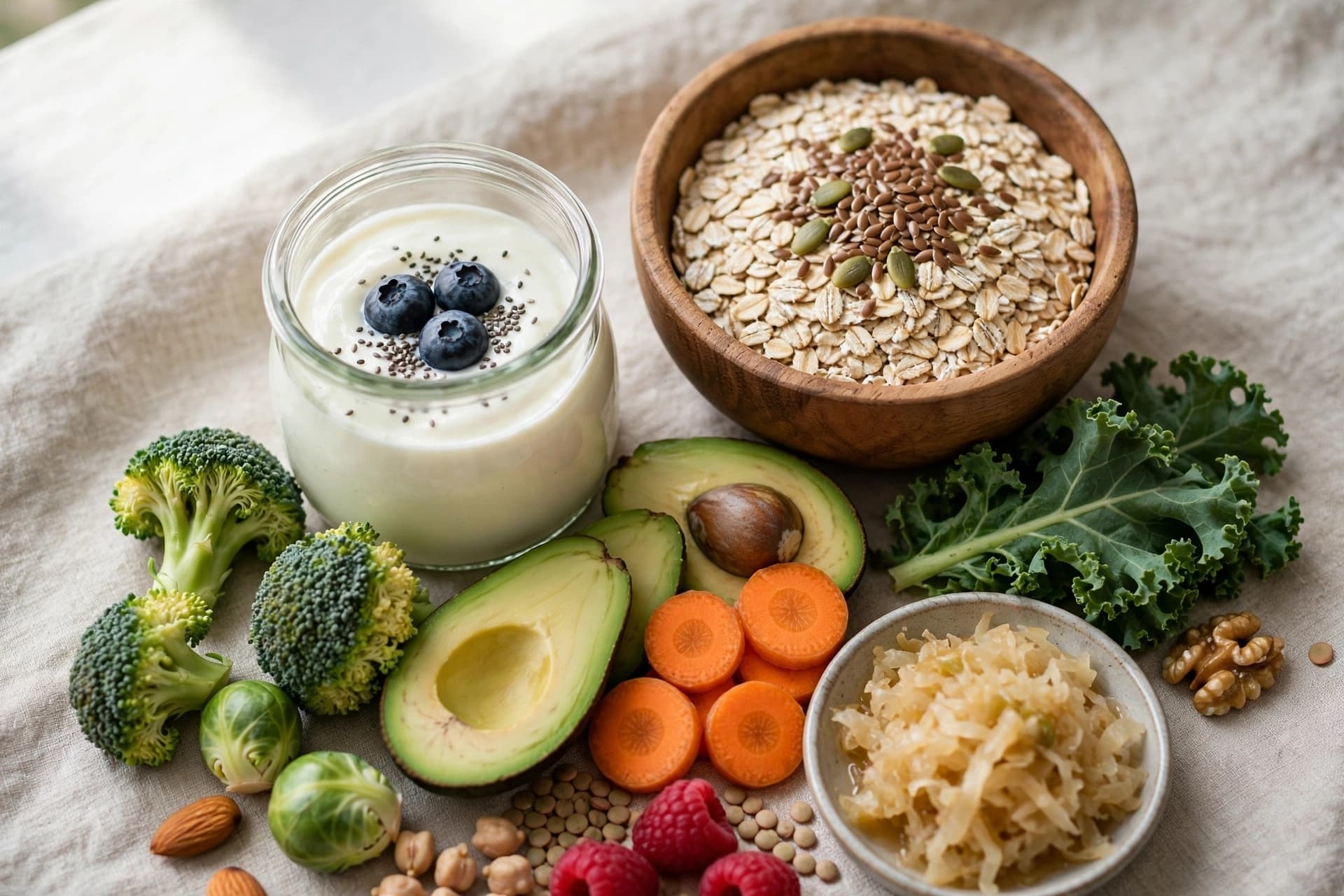
Here are some fibrous foods that you could easily introduce into your daily meals:
Oats, whole grains and millets: Think whole wheat, brown rice, jowar, bajra, and other whole grains.
Dals and legumes: Moong, masoor, toor, rajma, chana – the list of high fibre legumes is long!
Veggies: Dark green leafy vegetables, beans, carrots, cauliflowers and gourds should feature in your daily meals.
Fruits with the skin on: Apples, pears and guava are excellent examples, when available.
Seeds: Flaxseeds, chia seeds – use them in meals and snacks.
If you are considering adding more to your diet, it is essential to start slowly and drink plenty of water, as a sudden increase can cause bloating and discomfort.
Probiotic and prebiotic foods
Probiotics are bacteria found in food, while prebiotics are indigestible substances that feed the gut bacteria. Fermented foods have been a staple of Indian cuisine for centuries and add variety and flavor to meals. But the evidence linking them to weight loss is still lacking, and these foods should be considered as part of a wholesome diet, rather than a standalone intervention.
Probiotic food options include:
Curd and buttermilk (chaas) – These are easily available and common across Indian households.
Kefir – A fermented milk product that you can find in the dairy section of most grocery stores.
Idli and dosa batter – These naturally fermented foods are perfect for a healthy breakfast, though the high temperature of cooking kills most of the beneficial bacteria.
Kanji – This traditional fermented drink is usually prepared with either carrot or beetroot.
Prebiotic food options are:
Onion and garlic – These flavor enhancers also pack a punch when it comes to prebiotic fibre.
Banana – An easily available, portable, and delicious snack that also has a good amount of fibre.
Supplements and “gut reset” products
The evidence that probiotic supplements and “gut reset” products help with weight loss is limited and inconsistent. Different strains of bacteria affect the body in different ways, and no single supplement or product can fight obesity. If you are considering such a supplement, it is best to consult a doctor or a registered dietitian before making any changes to your diet or lifestyle.
Sleep, stress and regular activity
Good gut health and a healthy weight depend on more than just what you eat. Too little sleep and too much stress wreak havoc on digestion and can alter the makeup of your gut microbiome. Exercise is vital for proper digestion and has also been linked to higher microbiome diversity. Lack of sleep, chronic stress, and a sedentary lifestyle take a toll on the body, mind, and gut.
A balanced perspective
The most sustainable and effective approach to boosting immunity and promoting gut health will always be a plant rich diet, adequate sleep, techniques to manage stress and regular physical activity that you enjoy. These lifestyle changes benefit not only the gut but overall health and wellbeing, although individual results and responses may vary, and no single food item or supplement can guarantee specific benefits.
When to seek advice
If you have any persistent gut issues and concerns about your weight, speak to a registered dietitian or your primary care physician. They will be able to guide you and recommend the best course of action.