
Hair Fall? Look Beyond Shampoo
17 Oct 2026
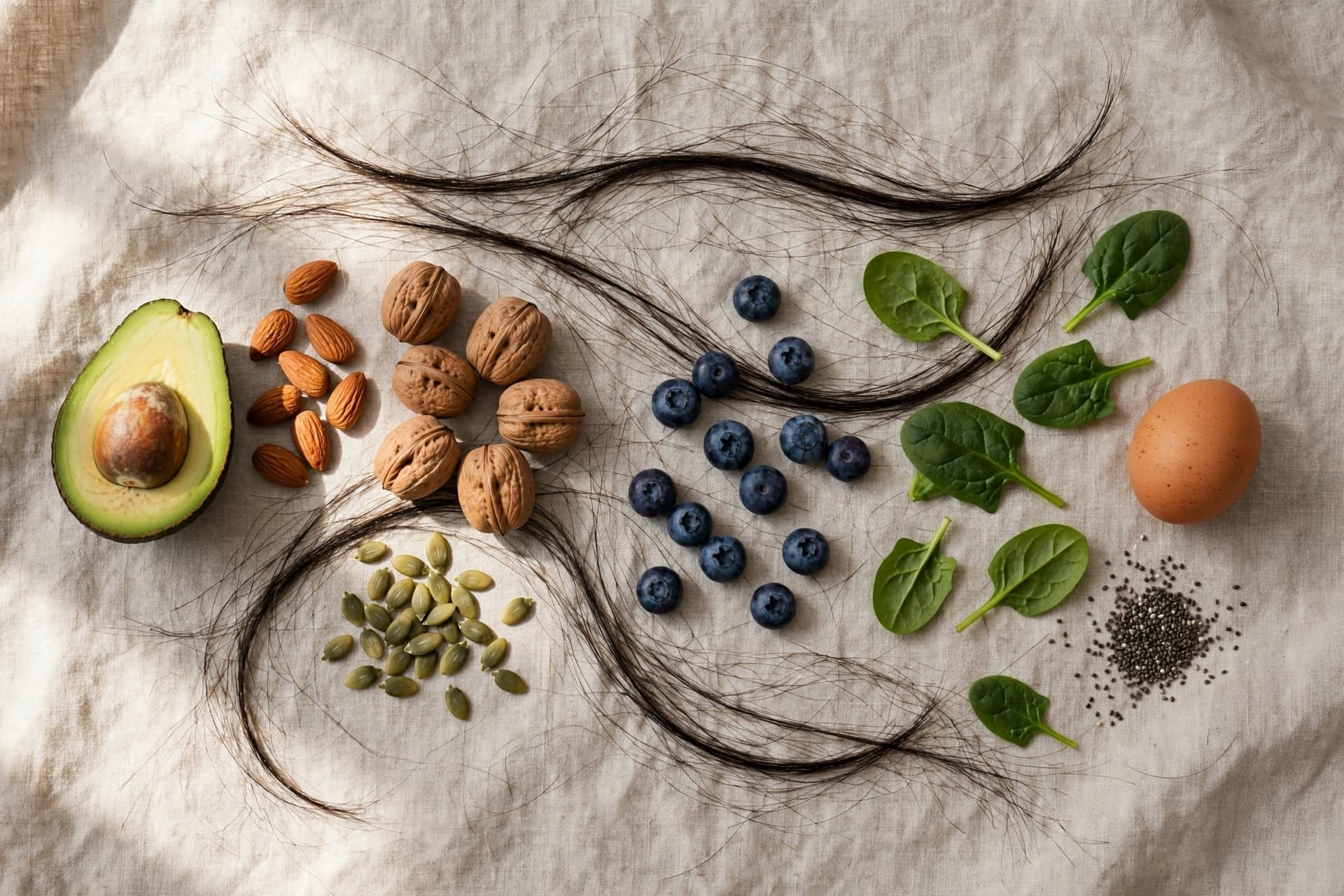
Hair Fall? Look Beyond Shampoo
Whenever there is an increase in my hair fall, the first thing I do is blame my shampoo or oil. I get a new pack and switch it the next day. Don't we all do this? But often, hair fall is not a hair problem, it is a sign of a deeper problem in the body. It is closely related to the kind of food we eat, the stress levels, the amount of sleep we get and our overall health.
Let's begin with food.
Hair growth begins from within the body, and if it does not get the required minerals and nutrients, it is more likely to become thin and brittle. This is why the first step is to look at what we eat. Iron deficiency is one of the most common reasons for hair fall, especially in women. Spinach and leafy greens are good sources of it, along with lentils, pomegranate, beetroot, dates, raisins, rajma and jaggery. Take these with something sour like lemon or amla as it helps your body absorb iron better.
Do not forget proteins
Hair is primarily made of protein. So, if you are not getting enough protein, it is only obvious that your hair would not be getting its share. Eggs, paneer, curd, dals, sprouts, soya chunks, chicken and fish are all high in protein. Make sure you have a good portion of paneer or dal in your meals everyday rather than just once a week, if you are a vegetarian.
Here's a quick guide:
For iron: spinach, methi, lentils, pomegranate, beetroot, dates, raisins, rajma, jaggery
For protein: eggs, paneer, curd, dals, chana, soya chunks, sprouts, chicken, fish
Vitamins B and biotin: eggs, almonds, peanuts, sunflower seeds, sweet potatoes, mushrooms, bananas
Vitamin C: amla, guava, oranges, lemon, capsicum
Vitamin E: almonds, sunflower seeds, avocado, spinach
Omega 3: walnuts, flaxseeds, chia seeds, salmon, sardines, mackerel
Zinc: pumpkin seeds, chickpeas, cashews, sesame seeds, oats, whole grains
Vitamin D: eggs, fortified milk, mushrooms, sunlight
Hydration: plain water, coconut water, buttermilk
Small changes often bring bigger results.
Biotin and other vitamins are needed to promote hair growth, prevent split ends and damage. Nuts, seeds, sweet potatoes and eggs are a good source of it. You can have some almonds as a mid morning snack or have a boiled sweet potato as a light evening meal.
Omega 3 fatty acids are also important for hair growth because they keep the scalp moisturized and less prone to irritation and dryness. Walnuts, flaxseeds, salmon, sardines and mackerel are good sources of it. You can have a spoon of flaxseed powder mixed in your roti or curd, everyday.
Hair follicles need zinc to repair themselves. Pumpkin seeds, chickpeas, cashews, sesame seeds, oats and whole grains are a good source of this mineral. Again, you can have a handful of roasted pumpkin seeds everyday as a snack.
Although your food may seem fine, there are other things that contribute to hair loss.
Stress is a major cause of hair fall. It can even cause sudden loss of hair in patches, but you might not see a change until several months after you stop stressing. Lack of adequate sleep also adds to it. Hair loss can also be caused by hormonal imbalances, especially during pregnancy or with PCOD. Getting enough sleep plus exercising and taking some time out for yourself can work wonders.
When to consult a doctor?
If you are experiencing sudden hair loss, patches of baldness or excessive loss, make sure you do not ignore it. It could be due to an underlying medical condition and would require medication alongside dietary changes. A dermatologist or a doctor can guide you to the right kind of treatment by suggesting tests for your iron, vitamin D and thyroid levels, etc.
Shampoo only washes away your hair. What you eat determines how healthy and strong it will be. Make sure to give the changes in your diet a good six months before you determine if it has worked or not, because hair loss and growth are slow processes.