17 Nov 2026
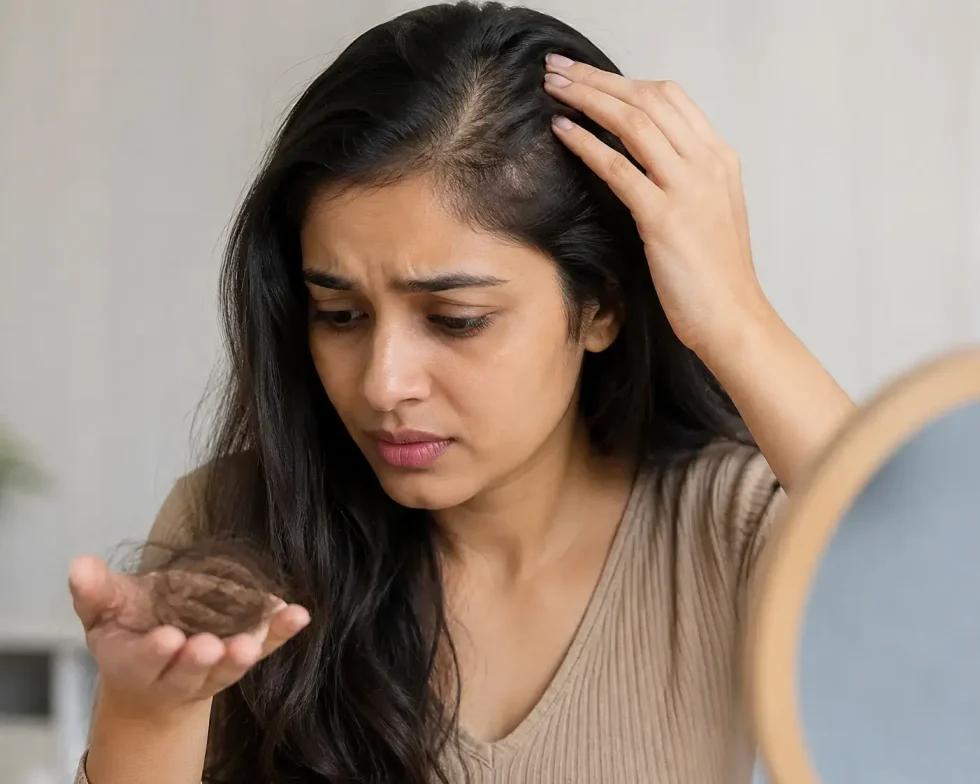
Seeing lots of hair in your brush, shower drain or on your pillow a few months after having an illness, operation, giving birth or going through a stressful time can be scary, but is very common.
This type of hair loss is often temporary. This blog will explain how our nutrition can help to support you during this time. We cannot guarantee hair will regrow, but we can support our bodies.
Hair grows in cycles. If you go through a large physical or emotional stressor then more hairs will go into a resting phase, resulting in hair loss a few months later. This is often referred to as Telogen Effluvium. As this can happen a while after the stressor many people do not link them together. Usually this will settle as our bodies recover – however this can vary from person to person.
Common causes can include:
After an illness or operation – Fever, infections, being in hospital, major operations and loss of appetite. Eating small regular meals can be a nice way to support your recovery.
After giving birth – It is very common to lose hair during this time due to hormonal changes. Breastfeeding, lack of sleep and a busy new routine can all contribute.
After a stressful time – Emotional stress, sadness, lack of sleep and inconsistent eating.
Crash diets, very low calorie eating, losing weight quickly and skipping meals are also well known causes. So again eating regularly is key.
Eating these foods can help support your body during this time.
Eat regularly and enough – Not eating enough overall is one of the most common reasons for continued hair loss. Eating 3 main meals and planned snacks is really important. Try eating simple meals like Dal with rice/roti and vegetables, Khichdi, Poha with peanuts, Idli with Sambar, Besan Chilla and Curd.
Protein – Hair is mainly made up of protein so it is needed to help your body recover. Include some protein rich foods in your meals such as dals, Rajma, Chana, eggs, Paneer, Curd, Milk, Fish, Chicken, Sprouts or Soya. Try adding Dal to your lunch or a Sprout Salad.
Iron rich foods – Lentils, Spinach, Methi, Jaggery, Dates, Beetroot, Eggs and Meat. Try to pair with some Vitamin C foods such as Lemon, Amla and Guava. For example try adding lemon to your Dal or Palak. Many Indian women and after giving birth can be low in iron. If you are feeling tired, short of breath, pale and losing hair then you should get a blood test done to check.
Zinc and Selenium – Pumpkin Seeds, Chickpeas, Sesame, Nuts and Eggs. Sprinkle some seeds onto your Poha or Salads. Or eat some Roasted Chana as a snack.
Healthy fats and Omega 3 – Walnuts, Flaxseeds, Chia Seeds, Fish (Sardines/Mackerel) and using some oils or Ghee in moderation. Try adding some ground Flaxseeds into your Atta or Curd.
B Vitamins and Folate – Dals, Leafy Greens, Eggs, Dairy and Wholegrains. Vegetarians and Vegans are more likely to be lacking in B12 so make sure to get this tested.
Vitamin D and Calcium – Sunlight, Eggs, Fish, Fortified foods, Milk, Curd, Paneer, Ragi and Sesame. Many people in India are lacking in Vitamin D so a doctor can do a test and give advice.
Coloured fruits and vegetables and plenty of fluids – Carrots, Papaya, Pumpkin, Tomatoes and Citrus fruits. Drink plenty of water, Buttermilk and Coconut Water.
Breastfeeding increases your nutritional needs so eating regularly and enough fluids is key. Trying to lose weight quickly by dieting can make the hair loss worse. Thyroid issues and Anaemia are common after giving birth and can be treated. Mention your hair loss and feeling tired during your check ups. If you are breastfeeding then please consult a doctor or registered dietitian before cutting back on foods or taking any supplements.
There are many products advertised that can help with hair loss. These include Biotin, Hair Skin Nails Supplements, Collagen Powders, Hair Gummies, Herbal Tonics, Hair Growth Drinks, very high dose vitamins/minerals and anything promoted on the internet/social media. If you aren’t lacking in these then there isn’t much evidence that they will help. Taking too much of some nutrients can be harmful such as Vitamin A, Selenium and Iron. Biotin can affect some blood tests such as Thyroid and Heart tests so make sure to let your doctor know if you are taking it.
Be gentle with your hair:
Avoid tight hairstyles, harsh chemicals and heat.
Be gentle when your hair is wet.
Oils and massaging can be soothing but won’t necessarily prevent hair loss.
Getting enough sleep, managing stress, gentle exercise and getting outside will all help you. Asking for help with your new baby or recovery can also be helpful. Be patient as your body needs time.
Hair loss can affect how you feel about yourself and your mood. If you are constantly feeling low, anxious or very upset then please speak to a doctor.
Myth – Losing hair after giving birth means permanent hair loss. Fact – It is very common to lose hair after giving birth and is usually temporary.
Myth – Getting a short haircut will help your hair to grow quicker. Fact – This will just make your hair shorter and has no effect on how fast your hair will grow from your scalp. You might find it easier to manage.
Myth – Shampooing and oiling will stop you losing hair. Fact – This will be part of looking after your hair but the loss after a stressor is due to what is happening internally.
Myth – Hair vitamins will help. Fact – Unless you are lacking in something they are unlikely to help. Ask your doctor to confirm.
Myth – Washing your hair a lot will cause hair loss. Fact – Any hairs that are going to fall out will fall out when you wash your hair. This is easy to notice. Just be gentle.
Myth – Eating more protein will stop it. Fact – Protein is important but making sure you are eating enough, getting enough iron and other nutrients, getting enough rest and recovering from the stressor are all important.
If you are noticing:
Continued hair loss.
Patchy hair loss, widening parting, receding hairline or obvious thinning.
Itchy, painful, flaky or inflamed scalp.
Hair loss with other symptoms such as fatigue, weight changes, irregular periods, feeling very cold, skin changes or acne.
Hair loss in children.
There can be specific treatments for things such as thyroid issues, anaemia, PCOS, nutritional deficiencies, autoimmune issues, fungal infections, genetic hair loss and certain medications. Only a healthcare professional can tell you what applies to you.
If you are pregnant, breastfeeding, have a chronic condition or are on regular medication then please speak to a doctor or registered dietitian before making any changes to your diet.
Many of these foods include Nuts, Seeds, Fish, Eggs or Dairy. If you have an allergy to any of these then avoid them and speak to a doctor/dietitian for alternatives.
