17 Nov 2026
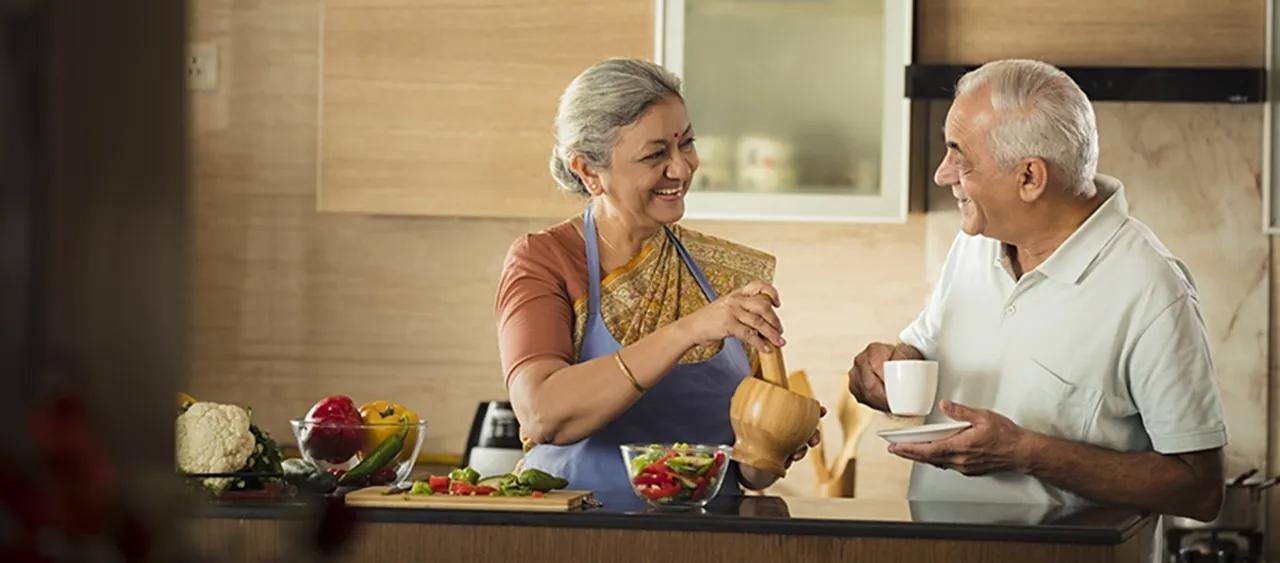
As we get older looking after our hearts becomes increasingly important. Many people over 60 have high blood pressure or high cholesterol. This blog provides some general guidelines for those over 60 and their families. This is not a personal plan! We can use food as part of our management.
As we age our blood vessels become less pliable. High blood pressure often doesn’t cause any symptoms and high cholesterol can build up quietly. It is therefore important to have regular check ups.
Many people will require medications along with their food and exercise. This is very common and there is nothing to feel guilty about. Diet can play a role however research into specific foods is an evolving area. Results can vary between individuals. Therefore overall patterns in our diet are most important.
Too much salt can cause an increase in blood pressure. Many people consume a large amount of salt from outside food (takeaways/eateries). Common foods with high levels of salt are pickles, papad, chutneys, namkeen, packaged foods, instant noodles, bread, sauces, ready meals and food from restaurants.
Flavours can come from other ingredients such as lemon, fresh herbs, ginger, garlic, jeera, pepper and roasted spices. Check food labels to see how much sodium is in packaged foods.
Take caution around ‘low salt’ products and salt replacements. These often contain potassium which can be unsafe for some people. Always check with your doctor.
There isn’t one food that will help protect your heart however the following can help improve your cholesterol and blood pressure:
Oats and Barley – high in soluble fibre. Can be eaten as porridge, upma or in soups.
Dals, Rajma and Chana – high in fibre. Can be eaten as dals, curries, sundal or in salads.
Fruit and Vegetables – apples, guava and seasonal sabzis. Try to include in all meals.
Potassium rich foods – bananas, oranges, coconut water, tomatoes, potatoes, leafy greens and beans. Can be included in regular meals. If you suffer with kidney disease or are taking certain BP medications please check with your doctor.
Nuts and Seeds – almonds, walnuts, flax seeds, sesame seeds and pumpkin seeds. Eat small amounts or sprinkle over curd or salads.
Fish – Sardines, Mackerel and Salmon. Can be grilled, steamed or cooked with a light curry.
Wholegrains and Millet – Ragi, Jowar, Bajra and Brown Rice. Can be used in rotis, dosa or porridge.
Proteins – Dal, curd, eggs, paneer, fish, chicken and lots of plant based foods.
Increase your fibre slowly and ensure you’re having enough fluids. Use cooking oils sparingly.
Be cautious around Trans fats (found in some packaged foods) and high amounts of saturated fats. Too much ghee, butter, gravies with lots of coconut and fatty meats can be a problem. Research shows mixed results around ghee, coconut and eggs. Focus on portion size and overall pattern. No food is the enemy!
Sweet foods, sugary drinks and refined foods can be eaten in moderation. This can be done without any guilt especially around festivals. Water, buttermilk, coconut water and herbal teas are great fluids to have. As we age we may not feel thirsty. If you have a fluid restriction due to heart or kidney issues please follow your doctors advice.
Your appetite, ability to chew and budget can cause issues. Older adults shouldn’t exclude whole food groups or go on crash diets. Not eating enough can cause you to feel weak, lose muscle mass and can cause falls. Protein, calcium and B12 are still required.
Eat foods that are easy to eat. Dal soups, khichdi, porridge (oats), idli with sambar, curd, soft fruits, egg dishes and vegetable stews. Often eating small, frequent meals works better if you don’t have much of an appetite. Eating with family and friends can make meals more enjoyable.
Light exercise regularly – approved by your doctor.
Don’t smoke and keep alcohol to a minimum.
Good sleeping patterns and stress management.
Stay social.
Follow your medication as directed.
Have regular checks for your blood pressure, cholesterol and blood sugar.
If your doctor recommends it you can monitor your blood pressure at home. Your doctor will explain what to measure and what it means for you.
Interactions with Medication
Some foods and drinks can cause issues with your medication. Leafy green vegetables can interact with blood thinners such as warfarin. Grapefruit can interact with some cholesterol and blood pressure medications. Salt and potassium rich foods can be an issue with some BP medications.
Always check with your doctor or pharmacist about your individual medications. Don’t guess what you can eat. No-one should stop or change their medication based on their diet.
Cholesterol – Myth: I don’t need to worry about cholesterol as I’m older. Fact: Cholesterol can build up quietly at any age. Regular checks are still important.
Eggs and Ghee – Myth: I should stop eating eggs and ghee. Fact: Research shows mixed results. Focus on portion size and overall pattern.
Low Salt – Myth: I can eat whatever I want. Fact: Overall pattern is important. Focus on fats, fibre and variety.
Natural remedies – Myth: I can use natural remedies like garlic, amla juice or methi water instead of medication. Fact: No you can’t. Never stop or change your medication without your doctors advice.
Blood Pressure – Myth: I don’t need to worry if I don’t feel any issues. Fact: High BP often doesn’t cause any symptoms. Only way to know is to have a check.
Supplements – Myth: I can take supplements to improve my numbers. Fact: Supplements aren’t a replacement for medical advice. Some can interact with your medication. Always check with your doctor.
Seek immediate medical attention if you experience any of the following symptoms:
Chest pain, pressure or tightness Pain radiating to your arm, jaw or back Sudden shortness of breath Feeling faint Sudden weakness or numbness on one side of your body Drooping facial muscles Difficulty speaking Sudden confusion Sudden severe headaches Loss of vision
If you are experiencing ongoing symptoms such as dizziness, swollen ankles, palpitations, unusual tiredness or shortness of breath with mild exertion please visit your doctor.
If you have diabetes, kidney or heart disease, difficulty swallowing or are taking regular medications please speak to your doctor or a registered dietitian.
