
Hidden Triggers That Disrupt Your Menstrual Cycle (and How Food Can Support It)
15 Oct 2026
Hidden Triggers That Disrupt Your Menstrual Cycle (and How Food Can Support It)
Why cycles change
A menstrual cycle is a complex interplay of hormones and an orchestrated effort involving the entire body, with the primary hormones being oestrogen and progesterone, which are controlled by the feedback mechanism between the brain and the ovaries. As a result, the menstrual cycle is susceptible to stress signals from the rest of the body and can be impacted by changes in sleep, nutrition or daily routine.
Having an occasional cycle that arrives earlier or later than expected or is varied by several days every month, is normal. Understanding the possible contributing factors can help you identify patterns related to your cycle more easily.
Hidden triggers
Most of these factors are part of our day-to-day lives which makes them easy to miss, as we’re constantly surrounded by them. Here are some common hidden cycle disruptors.
Chronic stress. Stress increases stress hormones like cortisol in the body which can interfere with the feedback mechanism that controls ovulation.
Poor or inconsistent sleep. Winding down later or sleeping at different times every day throws off your internal clock, impacting your cycle.
Irregular or prolonged fasting. Skipping meals can impact the body’s ability to signal the reproductive system correctly.
Crash diets and extreme calorie restriction. Extremely low-calorie diets can do the same and further leave the body deficient in micronutrients that it needs.
Over-exercising without sufficient nutrition. Intense physical activity can put a strain on the body and disrupt the cycle.
Weight fluctuations. Gaining or losing weight rapidly, for any reason, can impact the hormone balance.
Disrupted routines and travel. Shift work, time difference or a new routine uproots your cycle for a while until your body adjusts to the new pattern.
High levels of caffeine. Too much caffeine increases stress and can disrupt your sleep pattern, both of which are unhealthy for your cycle.
PCOS, thyroid dysfunction, anaemia or other hormonal imbalance can impact the menstrual cycle as well. It is best to speak to a doctor and get checked for such conditions.
Foods that support your cycle
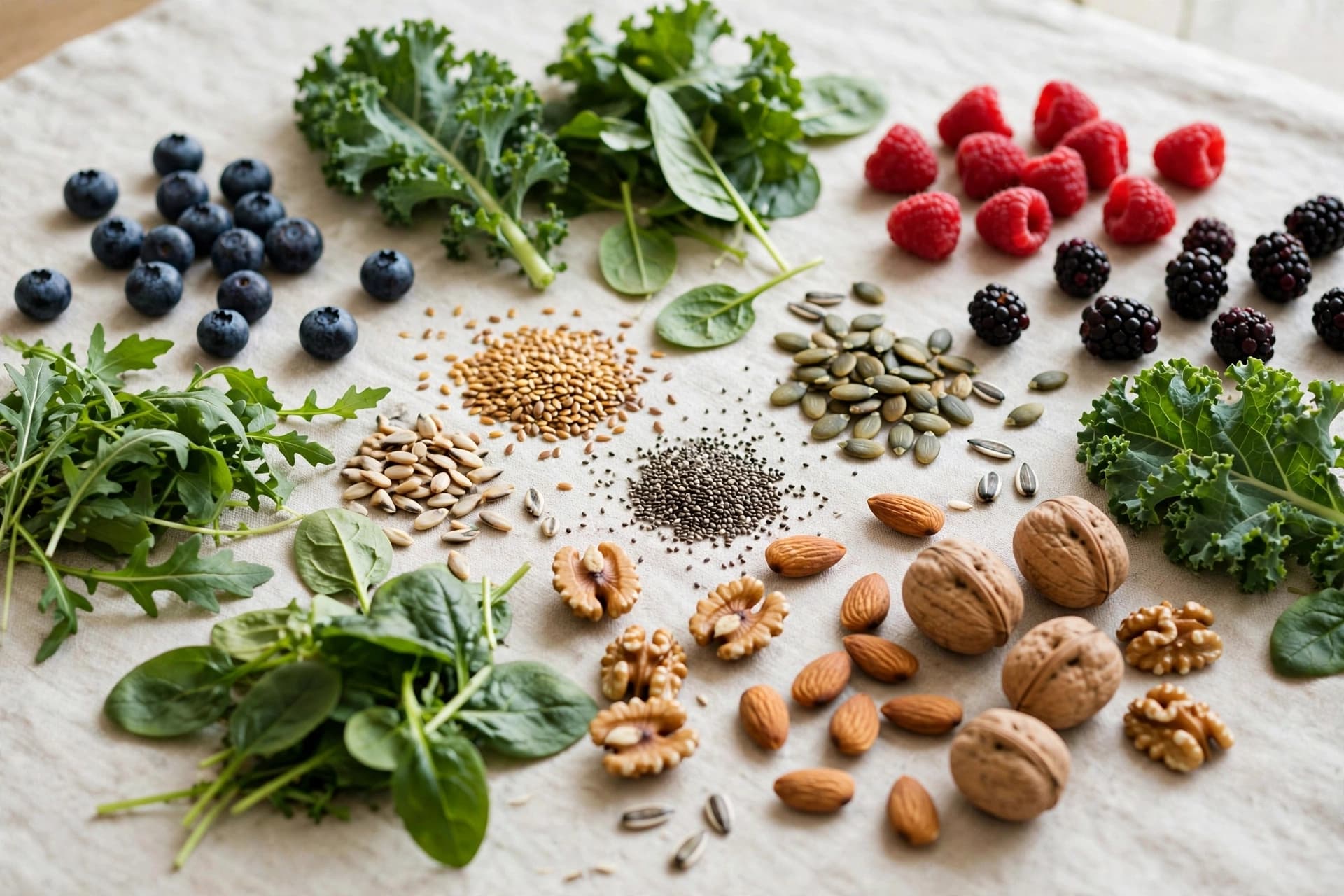
Consistency in meals plays a far greater role than individual foods. Eating at regular intervals keeps your energy and hormone levels balanced throughout the day while skipping meals does the opposite. A healthy balanced plate has vegetables, a protein, a whole grain and a healthy fat. Here’s a quick list of nutrient-dense foods that are great for the body and your menstrual cycle:
Iron-rich foods: Leafy greens like spinach, fenugreek leaves, lentils, rajma, jaggery, dates, raisins and beetroot. Iron is essential because the body loses iron in the form of blood during the period, and a deficiency can lead to anaemia.
Vitamin C-rich foods: Amla, guava, oranges, lemon, tomatoes, capsicum. Helps in iron absorption when eaten with iron-rich food.
Protein-rich foods: Eggs, paneer, curd, dals, fish, tofu, soya chunks and sprouts. Proteins help in the synthesis of hormones and help keep the body energised.
Healthy fats: Almonds, walnuts, peanuts, flax seeds, chia seeds, sesame seeds, sardines, mackerel and ghee in limited quantities.
Fibre-rich foods: Whole wheat, oats, brown rice, ragi, jowar, bajra, vegetables and fruits like apples, pears and papaya.
Magnesium-rich foods: Pumpkin seeds, almonds, cashews, bananas, spinach and whole grains.
Dairy products: Milk, curd, buttermilk, which are also high in calcium.
Hydrating foods and drinks: Water sipped throughout the day, coconut water, soups, watermelon and cucumbers.
While these foods support the body, they can’t cure a medical condition or irregular cycle, and no single food can regulate a woman’s cycle. Nutrition is a cornerstone of a healthy lifestyle that supports a number of systems in the body, but it isn’t the only pillar. That’s why sleep, mental health as well as medical intervention when necessary are all part of a holistic approach to menstrual health.
When to see a doctor
Please consult a doctor or gynaecologist if you experience any of the following:
Periods that have stopped or are absent for long.
Irregular periods.
Heavy or excruciatingly painful periods.
A sudden change in your cycle.
Early intervention can be instrumental in determining the underlying cause as well as the course of treatment. You do not need to wait for your symptoms to worsen.