
How to Read a Supplement Label: What to Look For and What to Question
2 Nov 2026
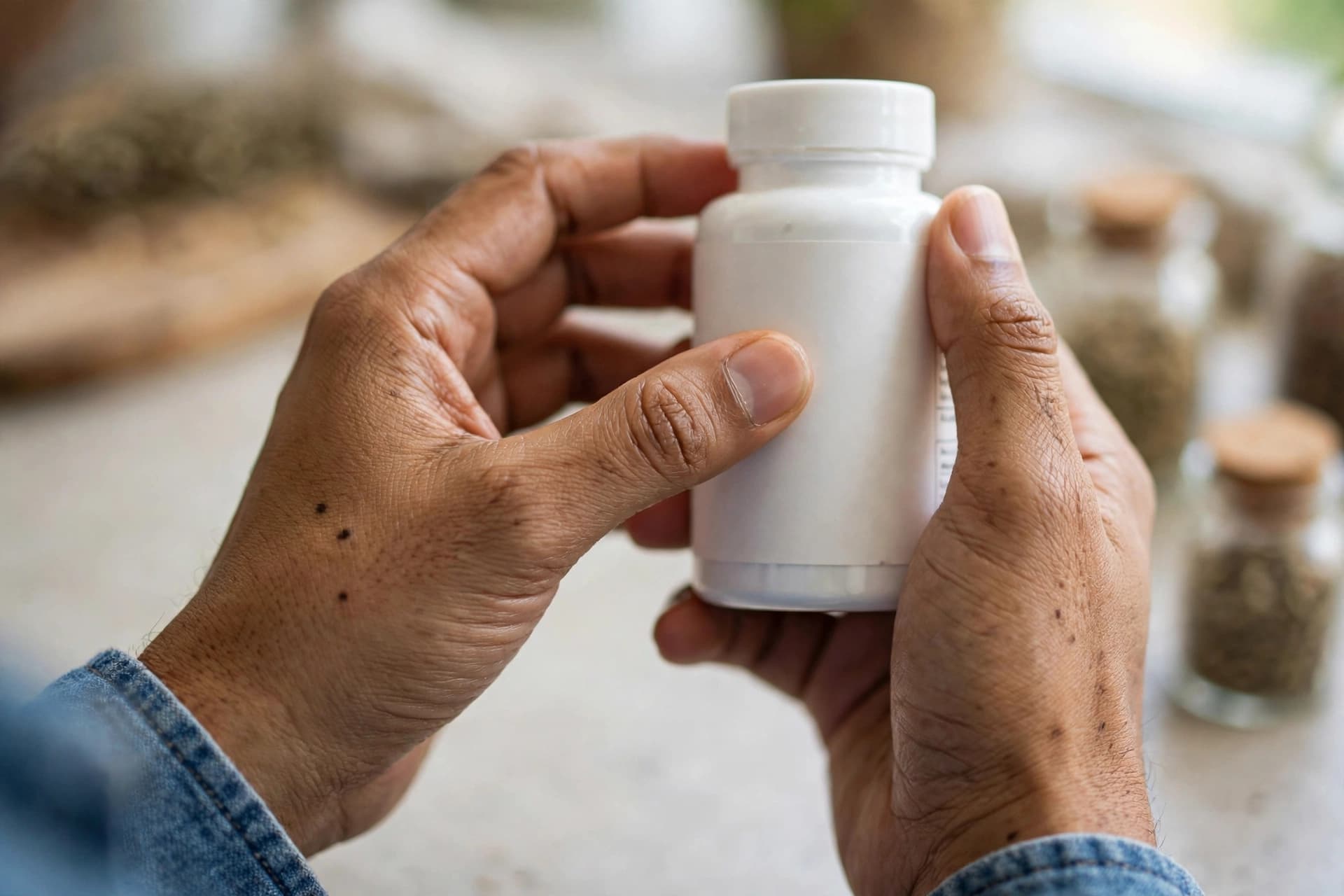
Food first
Supplements are meant to add to a varied diet, not replace it. Most people who eat a reasonably varied diet get what they need from food. Everyday Indian meals already cover a lot: dals and legumes, leafy greens, ragi, sesame, eggs, dairy, nuts, seeds, fish and fortified foods.
Some people may have a genuine need, including those with a diagnosed deficiency, pregnancy, certain medical conditions, a restricted diet or limited sun exposure. A doctor or registered dietitian should confirm that need, ideally with testing, rather than leaving it to guesswork.
How to read a label
Work through the label one part at a time.
• Active ingredients and form. Check what is actually in the product. Different forms of the same nutrient can be absorbed differently.
• Amount per serving and serving size. Make sure the serving size matches how the product is meant to be taken. More is not better, because some vitamins and minerals can cause harm in excess.
• Percentage of daily value. This compares one serving with a general reference amount. It is not a personal target.
• Other ingredients. Look for added sugar, sweeteners, colours, fillers and flavours, and for allergens such as gluten, soy, dairy, nuts and shellfish. Gummies and flavoured powders often contain added sugar.
• Proprietary blends. If a blend lists ingredients without individual amounts, it is hard to know what is inside.
• Claims. A nutrient claim describes what a nutrient does in the body. A claim that a product treats, cures or prevents a disease is a different matter. Phrases such as "detox," "boosts immunity," "balances hormones," "melts fat" or "clinically proven" with no detail deserve a second look. "Natural," "ayurvedic," "herbal" and "plant-based" do not automatically mean safe.
• Quality and regulation markers. Look for the manufacturer's details, a batch number, manufacturing and expiry dates, the licence information required in India (such as an FSSAI licence number) and independent third-party testing where available. Regulation of supplements varies, and a label alone cannot guarantee quality.
• Storage and expiry. Follow the label directions. Do not use a product that looks, smells or tastes off.
Red flags to question
These deserve a closer look before you buy:
• Extreme or miraculous claims, or "secret formula" language
• Promises of fast weight loss or muscle gain
• No ingredient list or contact details
• A price that seems too good to be true
• Celebrity or influencer endorsements presented as proof, or before-and-after photos
• Pressure to buy now
Products sold online or through social media can be counterfeit or contaminated. Sports and bodybuilding supplements may contain undeclared ingredients.
Safety and interactions
Supplements can interact with medicines, including blood thinners, thyroid, diabetes and blood pressure medicines, and with each other. Taking several products can mean doubling up on the same nutrient without realising it. Some herbal products can affect the liver, kidneys or blood sugar in certain people.
If you are pregnant, breastfeeding, planning a pregnancy, older, living with a medical condition, preparing for surgery or taking regular medication, speak to a doctor before starting any supplement. Children should not be given adult supplements, or gummies as treats, without a paediatrician's advice, and all supplements should be stored out of their reach.
Stop a product and seek medical advice if you notice a rash, stomach upset, palpitations, yellowing of the skin or eyes, or any other unusual symptom.
Myths and facts
Research on many supplements is mixed or still developing, and results vary from person to person.
• "Natural supplements are always safe." Not necessarily. Natural products can still cause side effects or interact with medicines.
• "If a little is good, more is better." No. Some vitamins and minerals can cause harm in excess.
• "Expensive supplements work better." Price does not tell you about quality or effect. The label and manufacturer details tell you more.
• "Supplements can make up for a poor diet." They are meant to add to food, not replace it.
• "Multivitamins protect you from illness." The evidence is mixed, and no product guarantees protection.
When to talk to a doctor
Speak to a doctor or registered dietitian before starting a supplement, when you are unsure whether you need one, or when a product you already take is causing concern. Do not change or stop any prescribed treatment without medical advice.
Questions to ask before buying any supplement
• Do I have a confirmed need, or am I guessing?
• What exactly is in it, and in what form?
• Does the serving size match how I would take it?
• Are all ingredient amounts listed, or is there a proprietary blend?
• What else is in it, including sugar and allergens?
• Do the claims sound realistic?
• Are the manufacturer details, batch number, dates and licence information clear?
• Could it interact with my medicines or other supplements?
• Has a doctor or dietitian reviewed it with me?