
How traditional Indian snack culture naturally shifts in autumn
28 Oct 2026
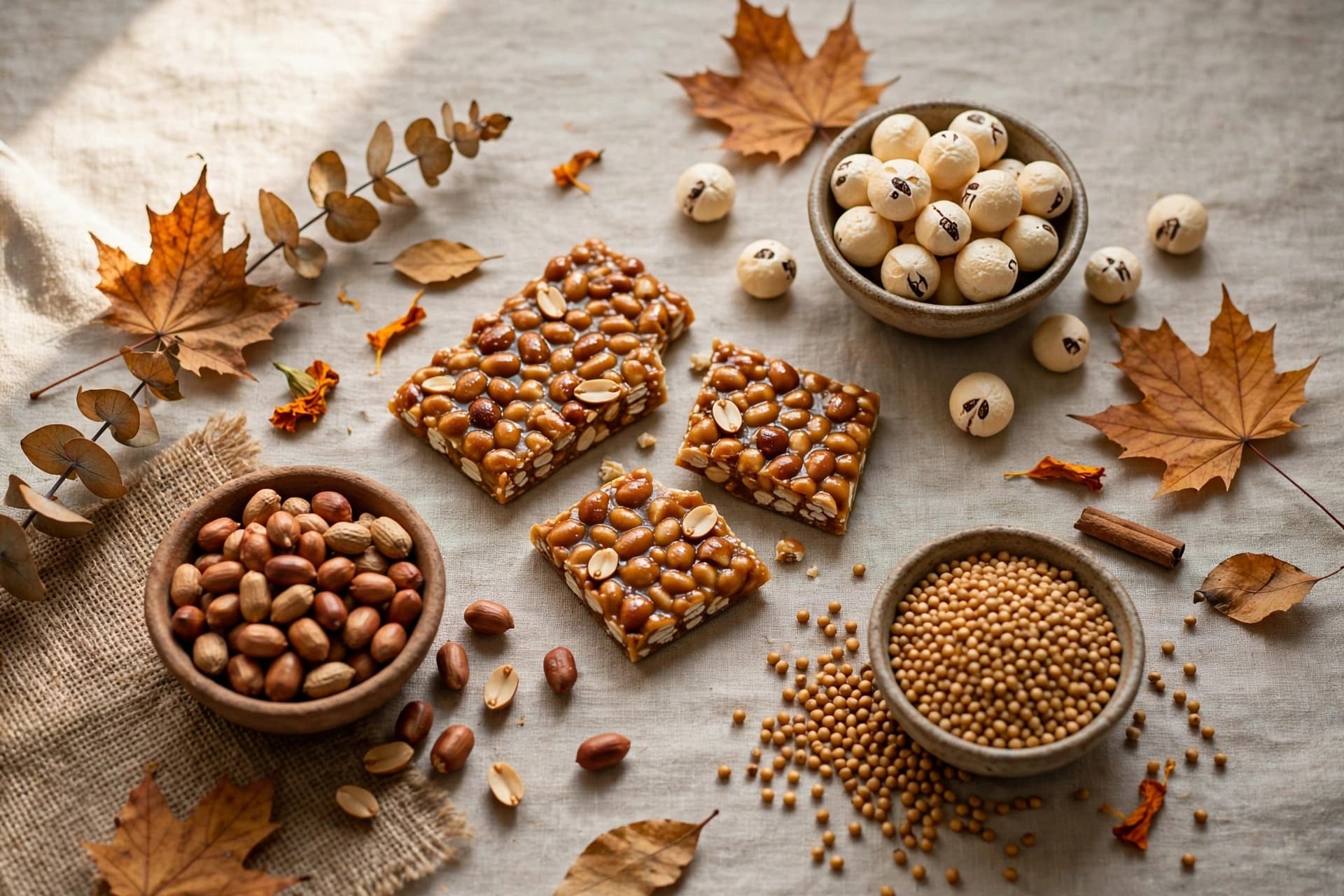
How traditional Indian snack culture naturally shifts in autumn
As the monsoon season ends, autumn begins, which in India is usually called Sharad Ritu and typically lasts from mid-September to mid-October. After the monsoon humidity, the air starts to feel a little hot from the October heat. The monsoon cravings for bajiya’s and pakora’s dip, and there is again bright sunshine. The sudden heat brings internal heat and acidity, so your gut needs easily digestible foods, probiotics, and anti-inflammatory foods. The autumn crops, basically the millets, bring complex carbohydrates which are low in GI and prevent sugar spikes in the blood.
Traditional autumn snacks :
Boiled sweet potato :
It is a good source of vitamin A, has soluble fiber, and has resistant starch; sweet potato supports immunity and is good for your gut, especially during the seasonal shifts.
Roasted Makhana :
Roasted Makhana has a lower GI, which means it lowers the sugar spikes in the blood, and it fulfils hunger, especially in this season.
Rajgira & Kuttu :
It has complete plant protein and rich in iron and also it has anti-inflammatory effects. Rajgira can be consumed as ladoos or rajgira roti, and kuttu can be consumed in khichdi (a warm, comforting food) or as roti.
Doodh poha or Kheer :
Doodh poha or rice kheer is especially consumed during Sharad Purnima, when Ayurveda says it calms the pitta in the body and has a cooling effect on the body.
Murmura Chivda :
It is light processed snack can be consumed anytime during the day and good for recovering gut.
October suddenly brings metabolic heat to the body, and there is a rise in the pitta in the body, which leads to acidity and poor digestion. To regulate the body temperature, the blood shifts to the skin, and other organs are affected; the rate of digestion slows down, and bloating and gas problems start to show up. So, during this issue, it is very important to opt for smart choices like
carbohydrates such as ragi, jowar, foxtail millet, and kodo millet.
Include at least 1 tsp of good-quality cow ghee in the diet for better digestive and gut health.
Include spices like green cardamom, fennel seeds, and cumin seeds, which are helpful for acidity, bloating, and gas issues.
Reduce or avoid the intake of ultra-processed foods, packaged foods, and spicy and fried foods.
Every seasonal change requires a specific dietary pattern so that your body and metabolic health function properly. So remember these practical tips and include them in your daily routine.