
Insulin Resistance Insights: Early Detection, Nutritious Foods & Common Pitfalls
15 Oct 2026
Insulin Resistance Insights: Early Detection, Nutritious Foods & Common Pitfalls
Insulin is a hormone secreted by the pancreas. It acts as a key that unlocks the doors of your cells to let in blood sugar or glucose, which is a source of energy for your body.
Insulin resistance is a condition in which the cells of the body do not easily respond to the action of insulin. The hormone tries to unlock the cell door, but the cell remains locked for some time. To overcome this, the pancreas secretes more insulin to let in the glucose. This goes on for a while, until the body can no longer produce enough insulin to keep up with demand. Hence, it is often linked to prediabetes, PCOS, type 2 diabetes, as well as a higher risk of heart disease.
Early signs
Some of the more common symptoms of insulin resistance are as follows:
Feeling tired or sluggish after your meals
Cravings for sweets or salty junk food
Weight gain, especially around the abdominal area
Dark and thick patches of skin on the neck or armpits
Irregular periods (in women)
These symptoms may overlap with other conditions; therefore, a doctor's consultation is mandatory for an accurate diagnosis.
Foods that help
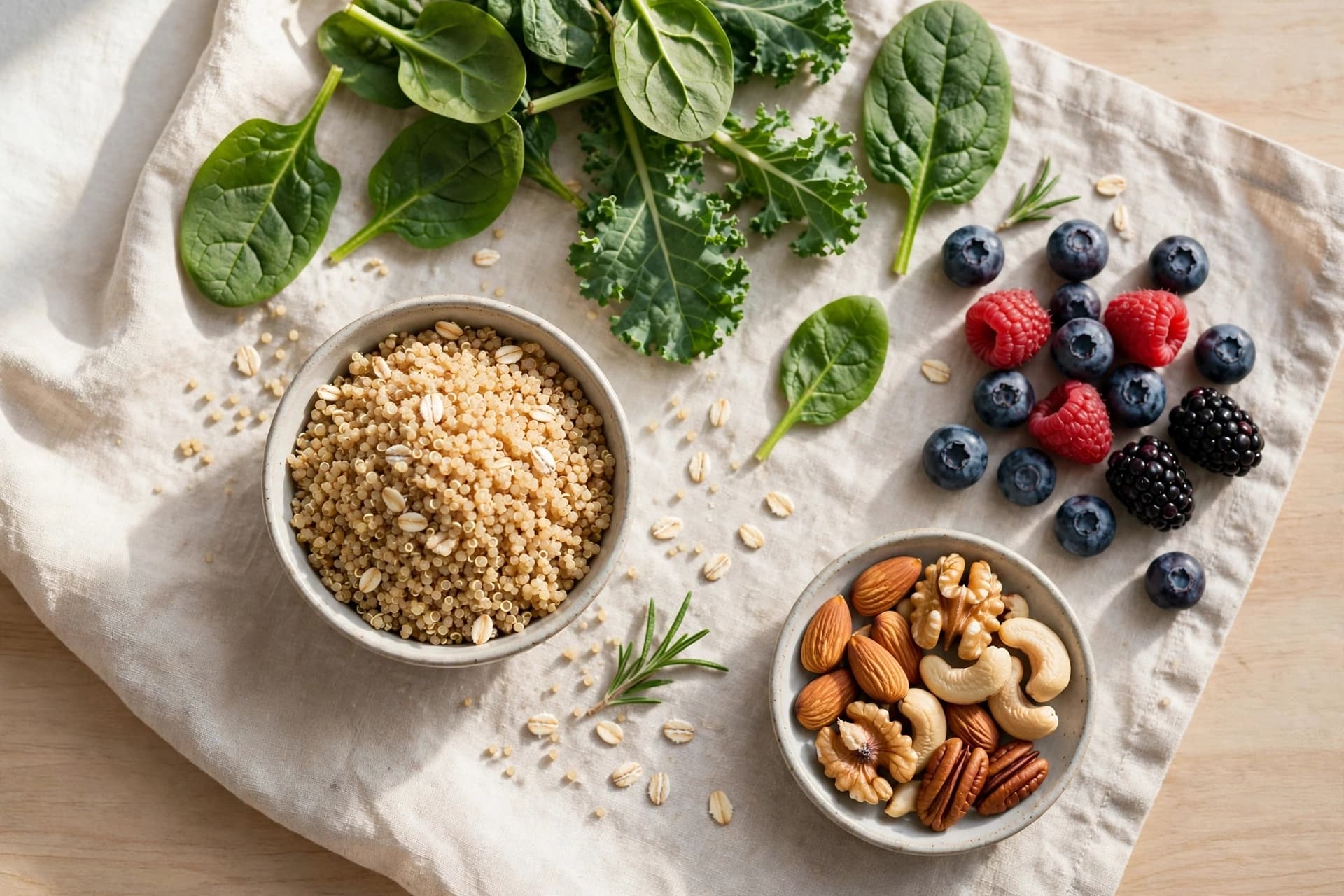
There is no magic food that can single-handedly reverse insulin resistance. However, a well-structured eating plan that focuses on keeping the blood sugar levels stable can go a long way in managing this condition. Here's a list of foods that you can include in your daily meals:
Fibre rich foods
Moong, masoor, toor and urad dal
Rajma, chana, chole, lobia, whole moong
Palak, methi, lauki, bhindi, cabbage, cauliflower, broccoli, beans, carrots, bitter gourd
Oats, ragi, jowar, bajra, foxtail millet, barley, dalia, whole wheat atta, brown rice
Whole fruits like guava, apple, pear, papaya, berries, oranges (preferably not as juice)
Protein rich foods
Egg, paneer, curd
Chaas, hung curd
Fish, chicken
Soya chunks, tofu, tempeh
Sprouts, besan chilla, roasted chana
Healthy fats
Almonds, walnuts, unsalted peanuts
Flax seeds, chia seeds, pumpkin seeds, sunflower seeds
Olive oil, cold pressed oil, avocado
Ghee (in moderation)
The key to managing insulin resistance lies in the balanced combination of these nutrients. Pairing carbs with fibre/protein is a good idea to slow down the digestion and absorption of carbs.
You can try the following combinations:
Roti with dal and sabzi
Poha with sprouts and peanuts
Fruits with a handful of nuts
Along with this, it is important to stay physically active to reduce blood sugar levels. You might want to consider a walk after meals in a day and some form of exercise during the week.
Common mistakes to avoid
Skipping meals and then overeating later in the day
Consuming packaged juices, soft drinks, biscuits, namkeen, etc. (These tend to have a lot of unhealthy carbs)
Trying extremely low-carb or crash diets
Assuming that sugar-free items are always healthy (Many products in this category tend to have highly processed ingredients)
Not getting enough sleep or having poor sleep hygiene
Stress (Prolonged mental stress may also affect your health adversely)
Self-medicating with supplements (Various supplements can have side-effects on their own, or when combined with other medication)
When to see a doctor
If you have concerns about your risk for insulin resistance, or have been diagnosed with PCOS or prediabetes/diabetes, consult a doctor or a dietitian for more information and a personalised care plan.