
Intermittent Fasting for Indian Women: What We Know About Weight and Hormones
15 Oct 2026
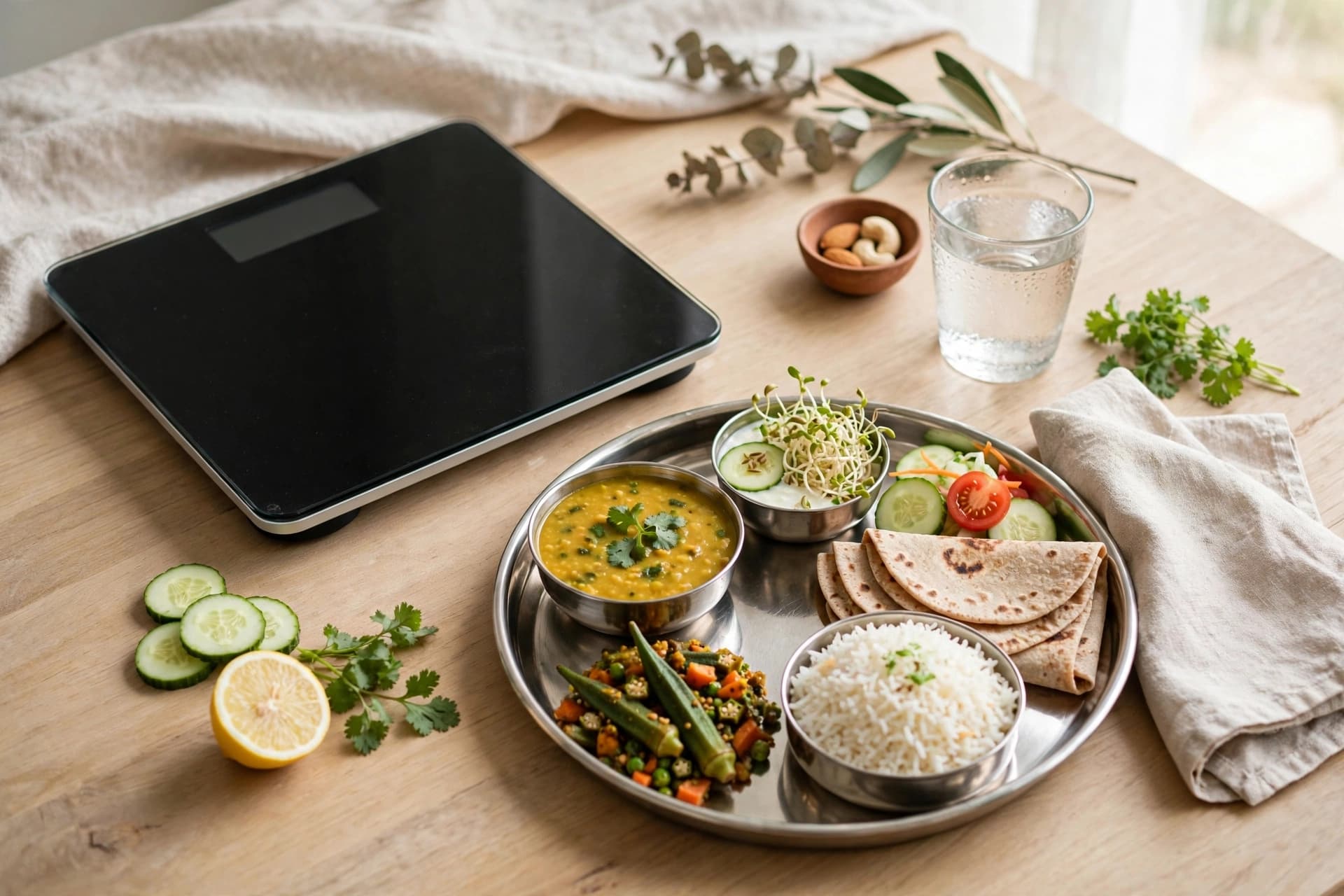
Intermittent Fasting for Indian Women: What We Know About Weight and Hormones
What it is
Intermittent fasting (IF) refers to dietary patterns where individuals choose to restrict eating to certain time frames, and to otherwise abstain from food at other periods. It focuses on the timing of food, and has multiple variations.
It is relatively simple to describe, makes minimal demands on tracking or other specialising equipment, and has seen a rise in both media and popular attention for these reasons. It may fit neatly within a working or domestic schedule for some, while for others it is an unsustainable practice and a poor fit. Each person should consider such factors for themselves.
What the research says
As yet, the research is inconclusive. IF is a relatively new area of scientific study. Studies frequently examine small sample sizes, or are short term. Fewer still centre on Indian women, and most do not take diverse variables such as gender into account. Furthermore, results are frequently mixed: some participants lost weight, some did not, and some found it difficult to adhere to the diet. When compared to other dietary approaches, IF did not prove to have significant benefits for most individuals.
The most important factors in a diet are adequate nourishment and sustainable patterns that allow for long term adherence to the plan. Studies into the effects of IF on hormones and diabetic markers are similarly inconclusive, and are frequently based on male subjects.
Women and hormones
Hormonal systems related to menstruation, sleep, mood and appetite are sensitive to changes in caloric intake and levels of stress. Essentially, if the body believes that it is not getting sufficient food, or is under pressure, it will make adjustments to deal with the situation. Some women find that IF can have an effect on their menstrual cycle, or on sleep, mood or energy levels. Some do not find this to be the case.
Conditions such as PCOS, thyroid dysfunction, anaemia and insulin resistance are common in Indian women, and can be sensitive to changes in diet. For each woman, these conditions may respond differently to IF, or to changes in diet in general. For example, a given food or eating pattern may aggravate one person's PCOS without affecting another's. This is why it is important to take individual medical advice when making changes to one's diet.
It is also important to remember that Indian women are not a homogenous group. There are many diverse traditions, and people's needs can vary depending on age, health, lifestyle and domestic circumstances. Someone who is a college student may have very different requirements to a working nurse, or a woman managing a large family.
Who should be cautious
There are some groups for whom intermittent fasting is not an appropriate practice, and who should avoid it under any circumstances. This includes:
Pregnant or breastfeeding women
Those with diabetes or on diabetes medications
Individuals with a history of eating disorders
Those with irregular or absent periods
Undernourished or underweight individuals
People with other health concerns
Many Indian families also have cultural or religious observances involving fasting, such as during Navratri, Karwa Chauth or Ekadashi. These are personal choices, and are not connected to health or weight management practices. Observant individuals should consult their doctors if they have any health conditions which may be aggravated by such practices.
Eating well, regardless of pattern
Whether or not one observes a pattern of intermittent fasting, it is important to eat well. Paying attention to meals, and including a variety of the following foods, will provide the body with the nourishment and energy it requires:
Protein: dals, eggs, paneer, curd, fish, sprouts
Fibre: vegetables, millets, whole grains, fruits
Iron and calcium: leafy vegetables, jaggery, ragi, sesame seeds
Healthy fats: nuts, seeds, ghee in moderation
Hydration: water throughout the day, buttermilk, coconut water
Regular wholesome meals are always a healthy option and there is no need to feel pressured to fast if it is not suitable for your lifestyle, working pattern or health.
If you do choose to observe intermittent fasting, it is important to listen to your body and stop and seek professional medical advice if you experience dizziness, weakness, extreme irritability or changes to your normal menstrual cycle. Do not skip meals when you are hungry, and always consult a doctor or a dietitian before making any significant dietary or lifestyle changes.