15 Oct 2026
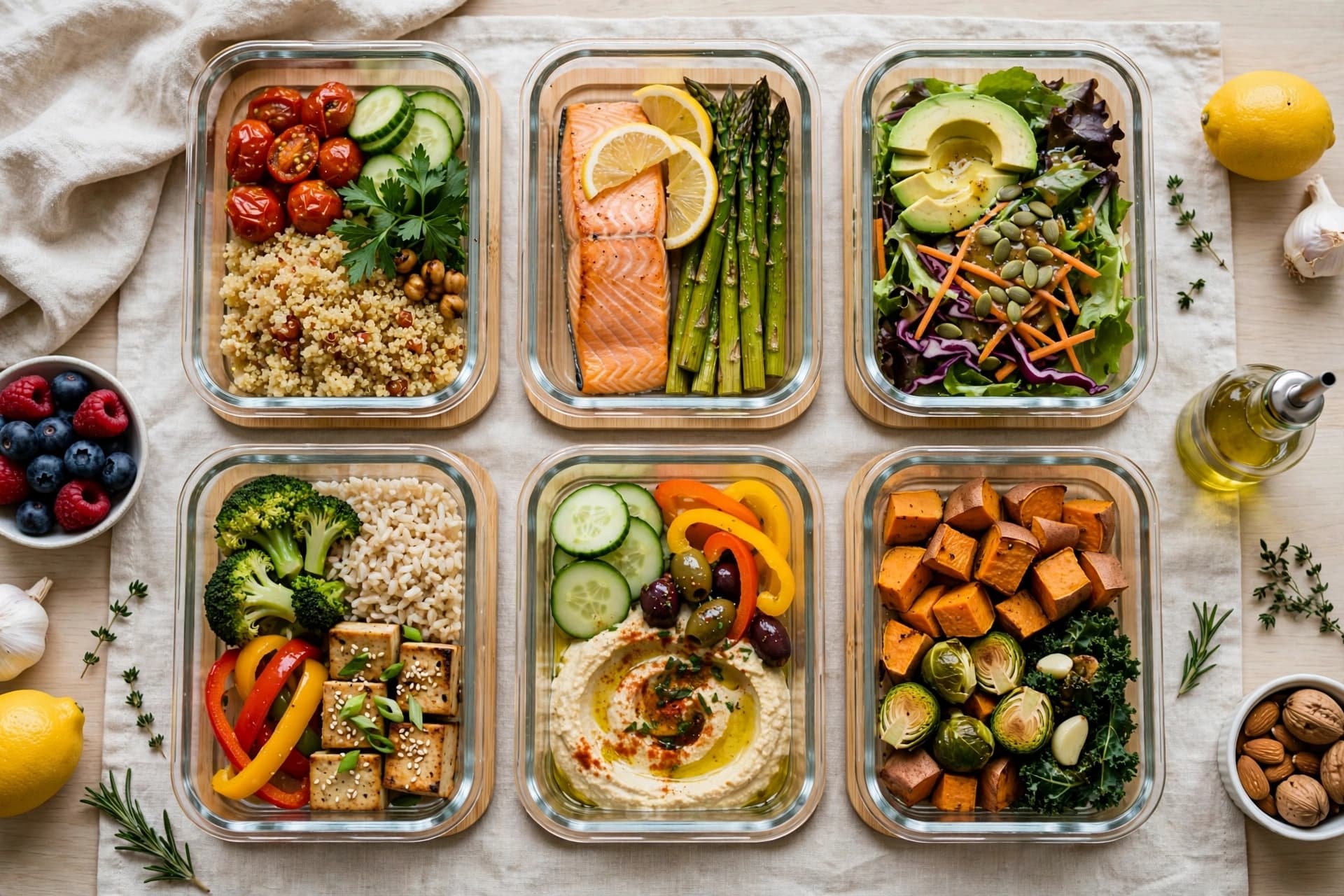
If you've ever tried meal prepping before and thrown your hands up in disgust by Wednesday from having made too much of one bland chicken dish, know that you're not alone. We tend to jump too far at the start and then become horrified that we have to eat the same five containers of food for the next five days. This is a beginning meal prepper's guide to creating a sustainable habit - not an attempt to turn your kitchen into an industrial complex.
It's easy to fall into the trap of needing a ton of variety in your meal prepping week. Avoid that by using 1 or 2 things you know and can make without putting too much thought into it. Pick a stir fry, a grain bowl, and a sheet pan dinner as your go-to's to rotate through your week. Having a tight group of meals to cycle through cuts down on decision fatigue and the amount of random stuff you have to buy, since you'll be buying staples for these same dishes every time. It's also helpful to think in terms of components instead of full meals, and mix and match your proteins, grains, and veggies so that you never really have the same meal twice.
This is your big time saver. If you're going to make a bunch of chicken breast, brown rice, and baked potato in a given week, do it all at once on the weekend. Here are some meal prepping basics that you can cook up in bulk:
Chicken thighs or breasts baked or seared
Ground turkey or beef browned out with seasonings
Tofu baked or a big pot of beans or lentils
Rice, quinoa, or farro in a rice cooker or big pot
Roasted potatoes or sweet potatoes on a sheet pan
Hard boiled eggs for snacks or to toss into salads
You don't have to have any fancy equipment for this either. A sheet pan, one pot, and a rice cooker or Instant Pot if you have one will go a long way. If all you have is a stove and an oven, that's honestly good enough.
You don't have to have everything you're eating prepped and waiting in your fridge. Cooked proteins tend to last in the fridge for 3-4 days, so if you're doing a meal prepping session for the whole week, freeze half of your meals and save them for closer to the end of the week. This will save you from the heartbreak of throwing out your half-eaten lunch on day five because the smell is a little off.
Grains and roasted veggies will last in the freezer, too. Divide up your meals and portions into the containers of your choosing when you make them, make sure to label them with the date (you will not remember what day it was when you made them), and lay the bags flat in the freezer to save space.
There are two main ways to meal prepping, and most people only know one. Batch cooking is making full meals ahead of time and portioning them out as needed. Some people prefer assembling from components, which is cooking proteins, grains, and vegetables separately and putting meals together fresh when they're ready to eat. Neither is inherently better - assembling tends to lead to more variety and fresher meals (using prepped protein, rice, and roasted vegetables in a pan with sauce for two minutes when you're hungry) while batch cooking whole meals is easier on the day you're eating them. A combination of both batch cooking one big meal and assembling others from components works well for most people.
It's not going to kill you if you decide to only prep your lunches as you're getting started. Picking one meal to prepare first is a gentler way to figure out how this whole meal prepping thing works. Since lunches are usually the most repetitive and bland part of the day, it's also the easiest to make the same thing for every day. Once prepping your lunches becomes routine and doesn't take up all of your weekend, you can branch out and start prepping other meals if you'd like to. There's no rule saying you have to do everything at once, or even ever.
If that feels like too much to commit to, try just prepping ingredients instead of whole meals. Wash and cut up some veggies, or make one protein and call it a day. Small victories add up.
Quick meal prepping tips if you're busy, new to cooking, or just lack proper equipment
You don't need special containers, old takeout containers or Tupperware work well
If you can only microwave and use a stove at work, make reheating-friendly meals like grain bowls, stir fry, chili, and soups instead of anything that requires baking or frying
Buy pre-washed and chopped veggies or bagged salad if you hate cutting things up
Rotisserie chicken from the grocery store counts as meal prepping, nobody is judging you
Set a recurring 60-90 minute block for meal prepping, even once a week, as an alternative to searching for random pockets of time
Frozen veggies are just as healthy as fresh ones without the risk of them going bad before you can use them
If a recipe calls for more than 6 or 7 ingredients when you're new to meal prepping, save it for later.
This is just a general example of how you could approach this. Feel free to substitute anything for what takes your fancy.
Sunday: Make a big pot of rice and roast sweet potatoes, bake 6-8 chicken thighs, roast a tray of broccoli and bell peppers.
Lunches Monday-Wednesday: Chicken, rice, and roasted veggies with whatever sauce you want that day (soy sauce and sriracha, tahini, salsa - you name it).
Wednesday night: Quick stir fry with the roasted veggies from the weekend and any fresh veggies you have, toss in eggs or ground turkey if you want.
Thursday: Use the frozen meals you prepped earlier in the week instead of making new ones, this is what that whole freezer is for!
Friday: Get takeout or make a simple meal, you don't have to meal prep every single day to count
Weekend breakfasts: Hard boiled eggs, overnight oats, or toast and fruit if you're feeling particularly lazy
Snacks throughout the week: Cut up fruit, hummus and carrots, or a handful of nuts. Nothing that requires a special cooking technique.
The point of meal prepping is to build a habit that's sustainable in the long term, not an attempt to build the ultimate meal prepping system right when you're brand new to this. Try to give yourself grace if you end up eating out more one week, or not prepping as much as you wanted. Even just having the same two meals for a month if that's what gets you through the week is still a win. Once you've built a sustainable habit of meal prepping it's perfectly fine to start introducing more variety or other meals as time goes on.
