
Mindful Eating at Work: Gentler Habits for Desk Snacking and Stress
12 Nov 2026
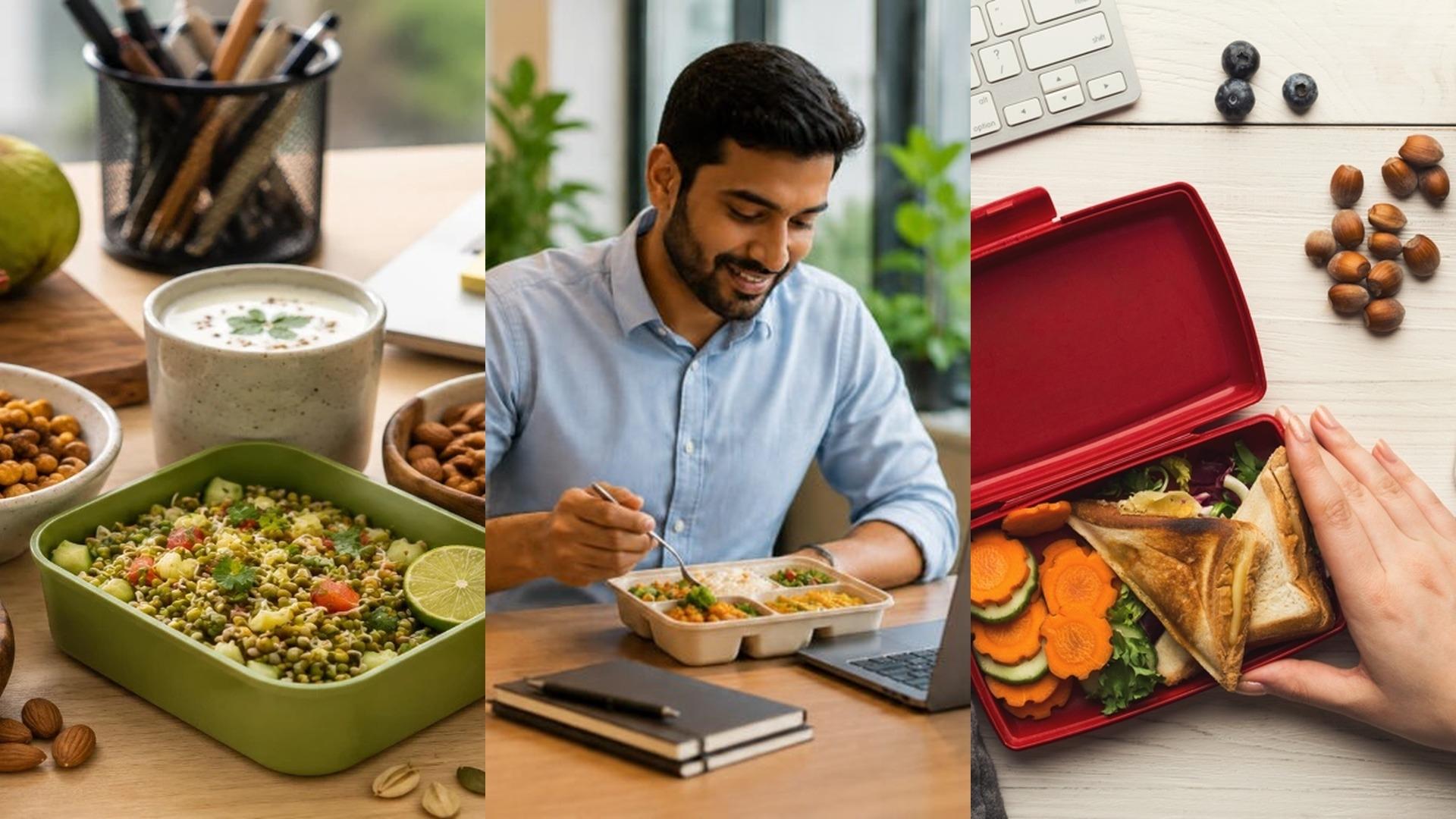
Why we snack at work
Stress, boredom, tiredness and long gaps between meals can all lead to snacking. A late breakfast and a lunch that slips past its time are common starting points.
Eating while working also makes it harder to notice fullness, because attention stays on the screen instead of the food. None of this says anything about your character. It says your day is busy, and noticing the pattern is a useful first step.
What mindful eating means
Mindful eating means noticing hunger, fullness, taste and mood while you eat, without judgement. It does not require silence, a slow pace or a special diet.
Research on mindful eating is still developing, and results vary from person to person. Think of it as a gentle approach worth trying, not a guaranteed fix.
Foods that can help support steady energy
Regular meals first. A proper breakfast and lunch with protein, fibre and healthy fats can help support steady energy, since long gaps often lead to grazing. Everyday options include poha with peanuts, besan chilla, idli with sambar, dal rice, roti sabzi with curd, khichdi, and egg or paneer sandwiches.
Desk snacks that satisfy. These can help support you between meals:
• Fruit: whole, or cut up in a small box and eaten with a fork
• Roasted chana: a few at a time, chewed slowly
• Makhana: roasted and lightly seasoned, eaten from a bowl
• Nuts and seeds: a small mix kept in a jar, taken out into a bowl
• Curd: plain or with fruit, from a cup with a spoon
• Sprouts chaat: tossed with onion, tomato and lemon, eaten from a plate
• Boiled corn: warm, with lemon and a little chaat masala
• Buttermilk: sipped from a glass or bottle
• Banana with peanut butter: sliced, with the peanut butter spread thinly
• Homemade ladoo or chikki: a small piece, enjoyed with tea
Familiar office foods. Chai and biscuits, samosas, canteen meals, vending machine snacks and celebration cakes are all part of work life, and enjoying them is fine. No food is "bad". Sitting down for them, even briefly, helps you taste them.
Drinks. Water, buttermilk, nimbu pani, coconut water, and tea or coffee in moderation all fit in. Thirst is sometimes mistaken for hunger, so a drink can be a useful pause. Heavy caffeine can worsen anxiety and sleep for some people, so notice how it affects you.
Small habits to try
Small steps tend to work better than overhauls. Pick one or two:
• Eat away from the screen, even for a short break.
• Put a snack in a bowl instead of eating from the packet.
• Pause and ask, "Am I hungry, tired, bored or stressed?"
• Take a short walk or stretch.
• Keep fruit and nuts within reach.
• Pack a tiffin so lunch is already decided.
• Eat with colleagues when you can.
• Set reminders for meals, and keep meetings from swallowing lunch.
If the answer to your pause is "stressed," food is not the only option. Try a few slow breaths, step outside, talk to a colleague or take a proper break.
For shift workers, night workers and people who travel for work: routines shift, so aim for a regular pattern that suits your own schedule. Carry familiar snacks such as fruit, nuts or roasted chana, and eat something steady before a long journey or a night shift.
Stress and emotions
Emotional eating is common, and comfort foods can be one part of how people cope. Try not to use food rules, skipped meals or restriction to "control" stress. They tend to add pressure rather than ease it.
Workplaces and managers can help too, by protecting lunch breaks and by not making food a reward or a joke.
Myths and facts
1.Myth: Snacking at your desk is always unhealthy.
Fact: It depends on what and how. Snacks can fill real gaps between meals, especially when eaten with some attention.
2.Myth: Stress eating just needs more self-discipline.
Fact: Stress, tiredness and long gaps between meals all play a part. Regular meals and small breaks usually help more than strict rules.
3.Myth: Skipping lunch to meet a deadline is efficient.
Fact: Long gaps often lead to grazing later, and many people find their focus and mood dip without a proper meal.
4.Myth: Desk snacks must be low calorie.
Fact: A snack's job is to satisfy you. Foods with protein or fibre often do that well, and no food needs to be off the table.
5.Myth: Mindful eating means eating slowly and in silence.
Fact: It means noticing how you feel and what you taste. You can do that over a chat with colleagues.
When to talk to a doctor
If you have diabetes, acidity or reflux, PCOS, a thyroid or digestive condition, or take regular medication, speak to a doctor or registered dietitian before changing how you eat.
Eating that feels out of control, followed by guilt, secrecy, restriction or intense worry about food or body, deserves support. So do persistent stress, low mood, anxiety or trouble sleeping. A doctor or qualified mental health professional can help, and reaching out is a sign of care for yourself.