
Nutritional Myths of aging: What to stop believing after 60
2 Nov 2026
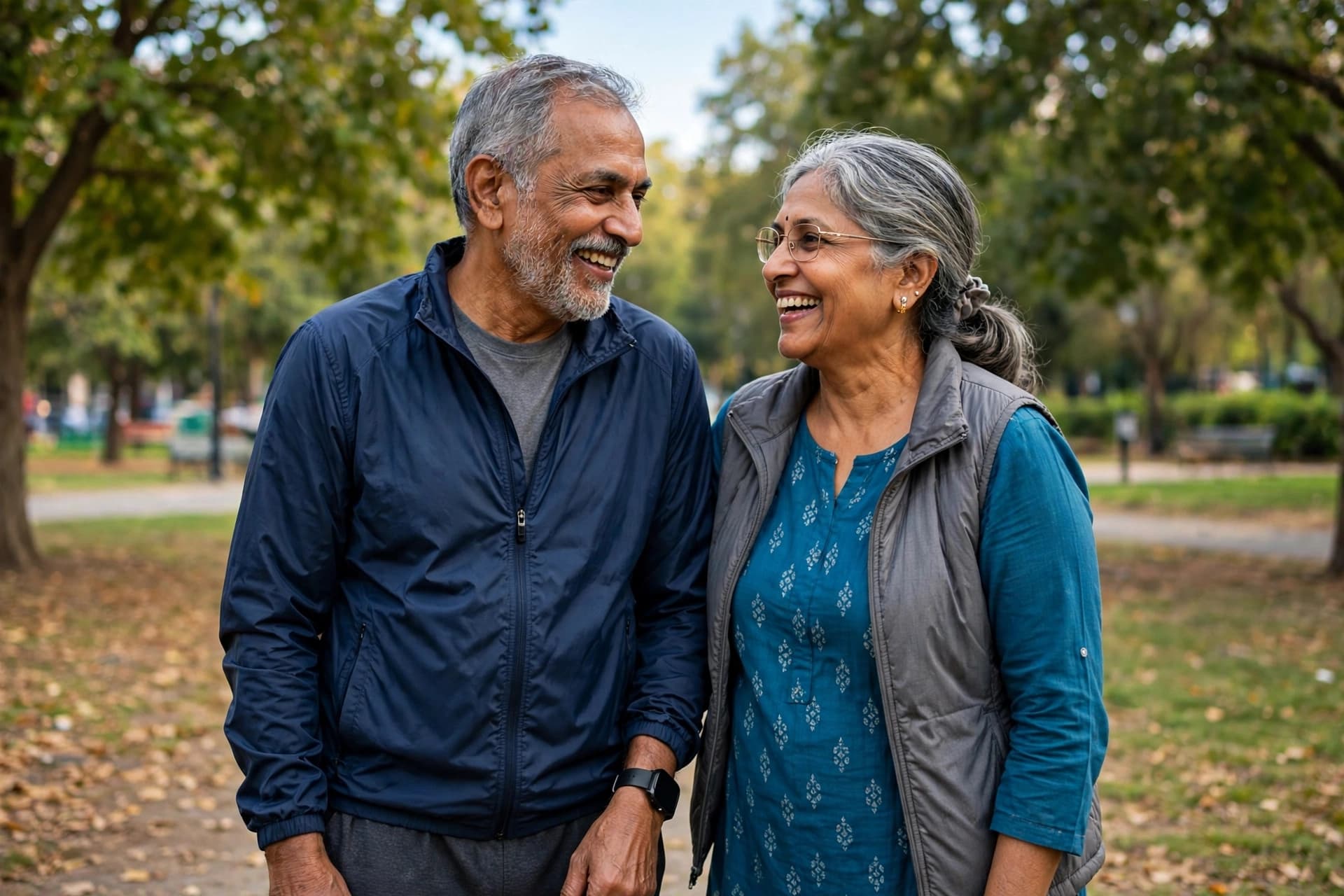
If you are above 60s or are soon going to going to 60, you may always keep wondering what is the best diet or food for me, should I eat? If not, there may be confusion related to food and nutrition or even lifestyle. Some of you just want to stay fit and healthy during this phase. And this is totally understandable. But there are several myths around that may leave you confused, so let’s understand what these myths are and what exactly the reality is
Myth 1: Calcium tablets are the best for aging against brittle bones
The reality: Calcium pills often end up in soft tissues and arterial walls rather than bones.
Without adequate Vitamin K2 and magnesium, calcium lacks the enzymatic activation needed to deposit it into the skeletal matrix. Instead, excess free calcium binds to arterial plaques or forms kidney stones.
Cut back on massive calcium megadoses unless strictly prescribed by the doctor.
Include natural sources of calcium like milk and milk products, ragi, sesame seeds, and green leafy vegetables.
Myth 2: Raw salads are the gold standard of healthy eating
The reality: During aging, digestive tracts often struggle to break down tough plant cell walls.
Stomach acid production and digestive enzymes naturally decline with age. Uncooked broccoli and raw green vegetables can cause uncomfortable bloating, gas, and poor nutrient extraction. Moreover, cooking actually unlocks critical antioxidants like lycopene in tomatoes and beta-carotene in carrots while softening fibers for easier transit.
Myth 3: You need less protein because you’re less active
The reality: Your muscles become biologically resistant to building protein as you get older.
In geriatric nutrition, this is called anabolic resistance. A 25-year-old can absorb 15 grams of protein from a meal and trigger muscle protein synthesis immediately. Past 60, that same 15 grams barely gets absorbed. To maintain muscle mass, preserve bone density, and prevent frailty (sarcopenia), you actually need more concentrated protein per meal, not less.
Myth 4: I am not thirsty, so why should I drink water?
The reality: As you get older, your body changes the way it senses and manages water. Your brain stops sending strong signals to tell you that you need a drink, even when your body is running low on water.
As the body ages, the hypothalamic response that triggers the sensation of thirst becomes less sensitive. At the same time, the kidneys become slightly less efficient at conserving water. If you wait until your mouth feels dry to reach for a glass, you are likely already running a hydration deficit, leading to brain fog, low blood pressure, and sluggish digestion.
Myth 5: Salt and fat are not good for health for people aged above 60
The reality: Elimination leads to bland food, poor appetite, and missing fat-soluble vitamins.
When people over-restrict salt and fats, food loses its flavor. Because taste buds and olfactory receptors naturally decline with age, hyper-bland diets often cause seniors to lose their appetite entirely, triggering malnutrition. Furthermore, dietary fats are required to absorb vital fat-soluble nutrients like Vitamins A, D, E, and K.
Unless you have severe hypertension, kidney disease, or a strict sodium prescription from your doctor, moderate seasoning with natural herbs, citrus, and a pinch of salt makes meals enjoyable again. Lean into monounsaturated and omega-3 fats: walnuts, olive oil, ground flaxseeds, chia seeds, and fatty fish that support brain health and tamp down systemic inflammation.
Aging doesn’t mean signing up for a life of bland, restrictive rules or shrinking portions. Your body’s biochemistry simply has a different set of priorities now: preserving lean muscle, protecting digestive ease, and demanding quality over pure calorie-cutting. When you let go of outdated food fears and listen to what your physiology actually requires, eating becomes what it was always meant to be: nourishing, enjoyable, and the foundation for staying strong and independent in the years ahead.