
Pigmentation & Dark Spots – What Food Can and Can’t Do
12 Nov 2026
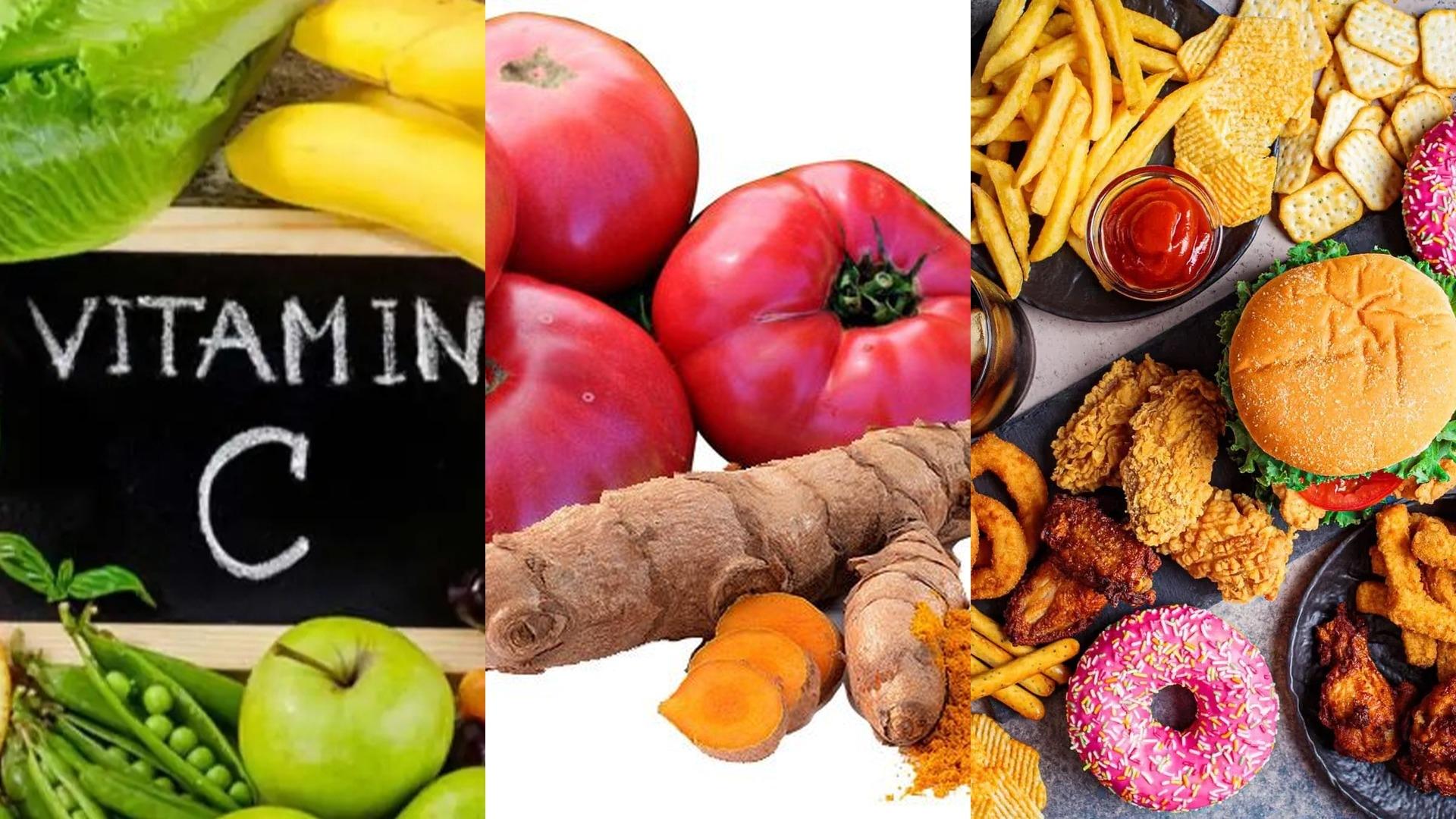
So many people will experience Dark Spots, patches and uneven skin during their lifetime. Pigmentation is very common and particularly common in Indian skin tones. Everyone’s skin tone will vary naturally and there is absolutely no need to change your skin tone to be ‘acceptable’.
What is pigmentation?
Pigmentation occurs due to extra melanin being produced in certain areas of our skin. Melanin is a type of pigment created by the skin. Extra melanin can be produced due to damage (sun, acne, injury), hormonal changes, inflammation, certain medications or medical conditions.
There are many different causes of common pigmentation including sun spots, post acne scarring, and melasma. The exact cause of your pigmentation can only be determined by a doctor.
What food can and can’t do.
The main cause of pigmentation is due to sun exposure, therefore sun protection is more important than any food. There isn’t much research into specific foods and pigmentation. Most research into antioxidant based foods is done in laboratories or using skincare products. Results can vary depending on the individual.
Food can support the body’s natural processes that maintain your skin, however there is no food or drink that will treat, reverse or prevent pigmentation or skin conditions.
Foods that can support your skin:
Below are some foods that can support your skin overall:
Vitamin C – Amla (chutney or raw), Guava, Oranges/Kinnow (whole fruit), Lemon (over dal/salad), Tomatoes/Capsicum (sabzis).
Vitamin E & Healthy Fats – Almonds/Walnuts/Peanuts (small handful), Sunflower Seeds/Flaxseeds (over curd), Fish (curried/grilled), Cooking Oils (in moderation).
Carotenoids – Carrots (salads), Papaya (fruit), Pumpkin/Sweet Potato (curries), Spinach/Methi (parathas/dals).
Polyphenols – Berries/Jamun/Pomegranate (fruit), Green Tea, Dark Leafy Greens, Turmeric (used in cooking). Turmeric is used as part of a traditional cooking method and not as a treatment.
Protein, Zinc & Iron – Dals/Chickpeas/Lentils/Sprouts, Eggs, Paneer/Curd, Fish, Pumpkin Seeds (snack), Jaggery (small amount).
B12 & Folate – Dairy, Eggs, Fish, Leafy Greens, Legumes. Sometimes low levels of B12 can be linked to pigmentation issues. Vegetarians and Vegans are more at risk. Please consult with a doctor to get tested.
Hydration – Water, Buttermilk, Coconut Water, Water Rich Fruit (e.g Watermelon).
Other important factors:
Use Sunscreen daily and throughout the day. Use hats, umbrellas and shade.
Don’t pick at pimples or scrub harshly.
Treat acne early and with guidance from a medical professional.
Gentle cleansing and patch testing new products.
Ensure you get good sleep and manage stress.
Pigmentation can often take a while to fade and can come back with sun exposure, patience is key!
Be cautious...
There are many products and treatments that promise to change your skin tone quickly. These include:
Fairness creams.
Home remedies (lemon juice, bicarbonate of soda, raw potato, undiluted essential oils).
Steroid or Mercury Based Creams.
Unregulated injections, Glutathione tablets/drips.
Supplements.
Intense peels.
These can cause burns, irritation, thin skin, rebound pigmentation and serious health risks. Always consult a dermatologist if you are considering any treatment for pigmentation.
Myth vs Fact:
Myth Fact
darker skins can get pigmentation.
Detox diets and juicing will clear your skin. No detox diets will clear your skin. Aim for a well balanced, varied diet.
When to visit your Doctor
If any spot on your skin shows any of these symptoms- change in size, shape or colour, irregular borders, bleeding, itching or non healing- get it checked as soon as possible. These can be signs of skin cancer.
If any areas of your skin suddenly darken or darken excessively, and you are also feeling tired, experiencing weight changes, irregular periods, dark velvety patches on your neck or underarms, or changes in hair, seek proper medical advice. This can be due to thyroid issues, PCOS, insulin resistance, vitamin deficiency or hormonal changes. Only a Doctor can determine what’s going on.
If you’re pregnant, trying to conceive, taking hormonal medication or have a medical issue, always speak to your Doctor first if making large changes to your diet.
Nuts and seeds are common allergens. Don’t eat any foods that don’t agree with you. If you think you have an allergy, seek medical advice.