9 Nov 2026
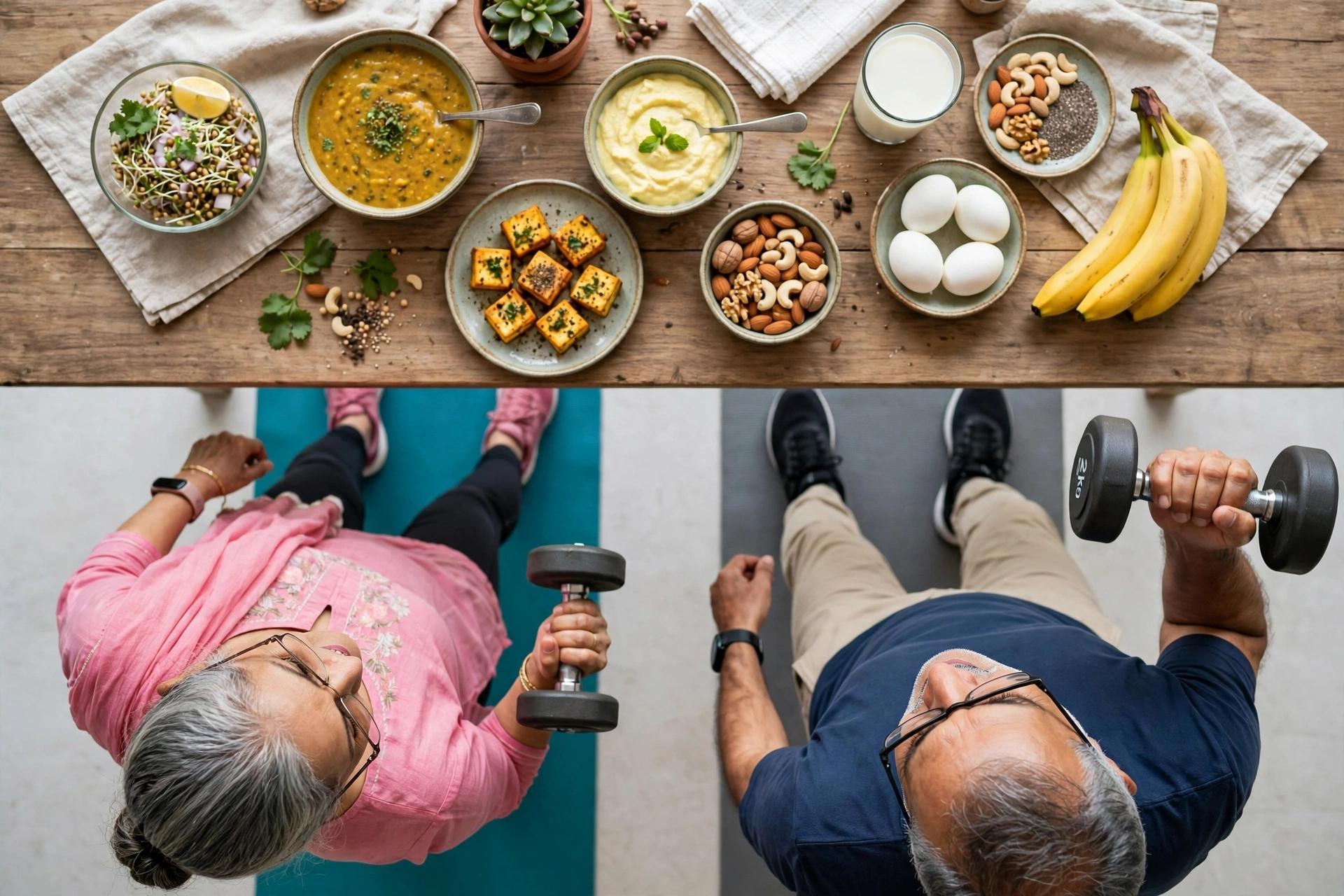
You may not notice, but many are beginning to find that opening jars takes longer. Stairs seem a bit steeper and getting up off the floor or a low sofa requires you to push up on your knees. This can just be blamed on getting older, however, these symptoms often indicate muscle loss. Luckily this can easily be prevented with the right diet!
Sarcopenia is a natural loss of muscle mass, strength and function as we age. From your 30s/40s, you will begin to slowly lose muscle however, this can increase in later decades. This can be caused by being inactive, not eating enough protein or recovering from illness.
Muscle mass does not just affect how you look, it helps with balance, regulation of blood sugar, protects your joints and makes everyday tasks easier. Lower muscle strength has been linked to a higher risk of falling, fractures, slower recovery from illness and a loss of independence.
Those over 50 (especially over 65)
Those living a sedentary lifestyle or long periods of bed rest
Low protein diet / irregular eating patterns
Those with chronic illnesses including diabetes, kidney disease, heart disease and lung disease.
Those recovering from surgery or long-term illness
Those on a very restrictive/crash diet.
If this sounds like you then having a chat with your doctor would be a good first step.
Muscle is always breaking down and rebuilding. As we age, our muscles become less responsive to protein we eat, often referred to as 'anabolic resistance’. Basically, your body often needs a little extra help from your diet to keep the same muscle mass.
Whilst you can’t replace exercise with diet, you will not gain all the benefits from exercise if you are not eating enough of the right nutrients.
Protein provides the amino acids needed to form muscle. The general recommended daily intake for adults is 0.8g of protein per kg of bodyweight. However, many experts recommend increasing this slightly for older adults (often between 1.0-1.2g/kg). This will depend on your health, kidney function and activity levels. Please ask your doctor before making large changes, especially if you have kidney disease.
Spread your protein throughout the day
Many of us tend to eat our protein at dinner. However, research suggests that eating smaller amounts throughout the day is better to help your muscles. Try to include a protein source at breakfast, lunch and dinner.
Many Indian breakfasts (poha, upma, paratha, toast and chai) can be quite high in carbohydrates and low in protein. To help boost your intake:
Have a bowl of curd or glass of milk.
Have a besan chilla, moong dal cheela or egg bhurji instead of just toast.
Add some peanuts, sprouts or paneer to your poha/upma.
Indian Sources of Protein
Plant Based: Dal, Rajma, Chana, Chole, Moong, Soya Chunks, Tofu, Sattu, Peanuts, Nuts & Seeds
Dairy: Milk, Curd, Paneer, Buttermilk & Greek Style Yoghurt
Non Vegetarian: Eggs, Fish, Chicken & Lean Meats
If you are vegetarian, mixing different sources will help you get a good variety of amino acids throughout the day (e.g. Dal with rice/roti).
Whilst protein is often the main food to consider for muscle, there are others to consider.
Vitamin D helps your muscles function and helps your bones. Unfortunately, this is very common in India due to a lack of sun exposure. This can be due to leading a sedentary lifestyle, wearing lots of clothing and the air pollution. A simple blood test can tell you how much you have. Don’t take high dose supplements without medical advice.
Vitamin B12 deficiency is common. This can cause tiredness and weakness. This can be found in dairy products and eggs. Your doctor may suggest a test or supplement.
Eating fish such as sardines, mackerel and rohu can help improve your muscles. Flaxseeds, chia seeds and walnuts also contain omega 3.
Fruit, Vegetables & Wholegrains
Eating colourful fruits and vegetables will give you antioxidants, potassium and fibre. This will help improve your overall health. Include leafy greens, seasonal fruit, millet, oats and brown rice.
Even mild dehydration can leave you feeling weaker and more tired. Often older adults do not feel as thirsty so try to have some throughout the day.
Nutrition and exercise go hand-in-hand. Strength training (using light weights, resistance bands, bodyweight exercises, stairs and carrying shopping) is the best way to keep your muscle. Whilst walking is great for your heart it doesn’t put pressure on your muscles.
If you’re new to exercise, over 60 or have joint or heart issues then ask your doctor or physiotherapist for help.
The portions and food below are just suggestions. Eat what suits your needs, culture and health.
Breakfast: Besan Chilla with Mint Chutney & Glass of Milk
Mid-Morning: A piece of fruit & some nuts.
Lunch: Dal, Vegetable Sabzi, Roti or small portion of Rice, Curd & Salad.
Evening: Roast Chana/Sprouts Chaat. Tea optional.
Dinner: Grilled Fish, Paneer or Egg Curry with Vegetables & 1-2 Rotis.
Crash dieting – Often with rapid weight loss comes muscle loss. Aim to lose your weight gradually.
Missing meals – Not eating enough will make it harder to get enough protein.
Over relying on supplements – Focus on whole foods. Some people find protein powders helpful however, this should be done with your doctor/dietitian's advice.
Only eat protein at one meal – Spread it out.
Not exercising – Protein won’t do the work.
Assuming it’s just ageing – If you are constantly feeling weak, losing weight unintentionally and falling often then you should see a doctor.
Top Tip
Muscle is maintained by using it and providing it with nutrition. Start with small changes. Add protein to your breakfast, do a few strength exercises throughout the week and see your doctor to ask about Vitamin D & B12. Making small changes consistently will help improve your strength and independence.
Meta Description: Find out what sarcopenia is, who is at risk and how eating protein rich foods in India and focusing on key nutrients can help improve muscle and strength as we age.
