
Protein Intake for Older Adults – Simple Tips
12 Nov 2026
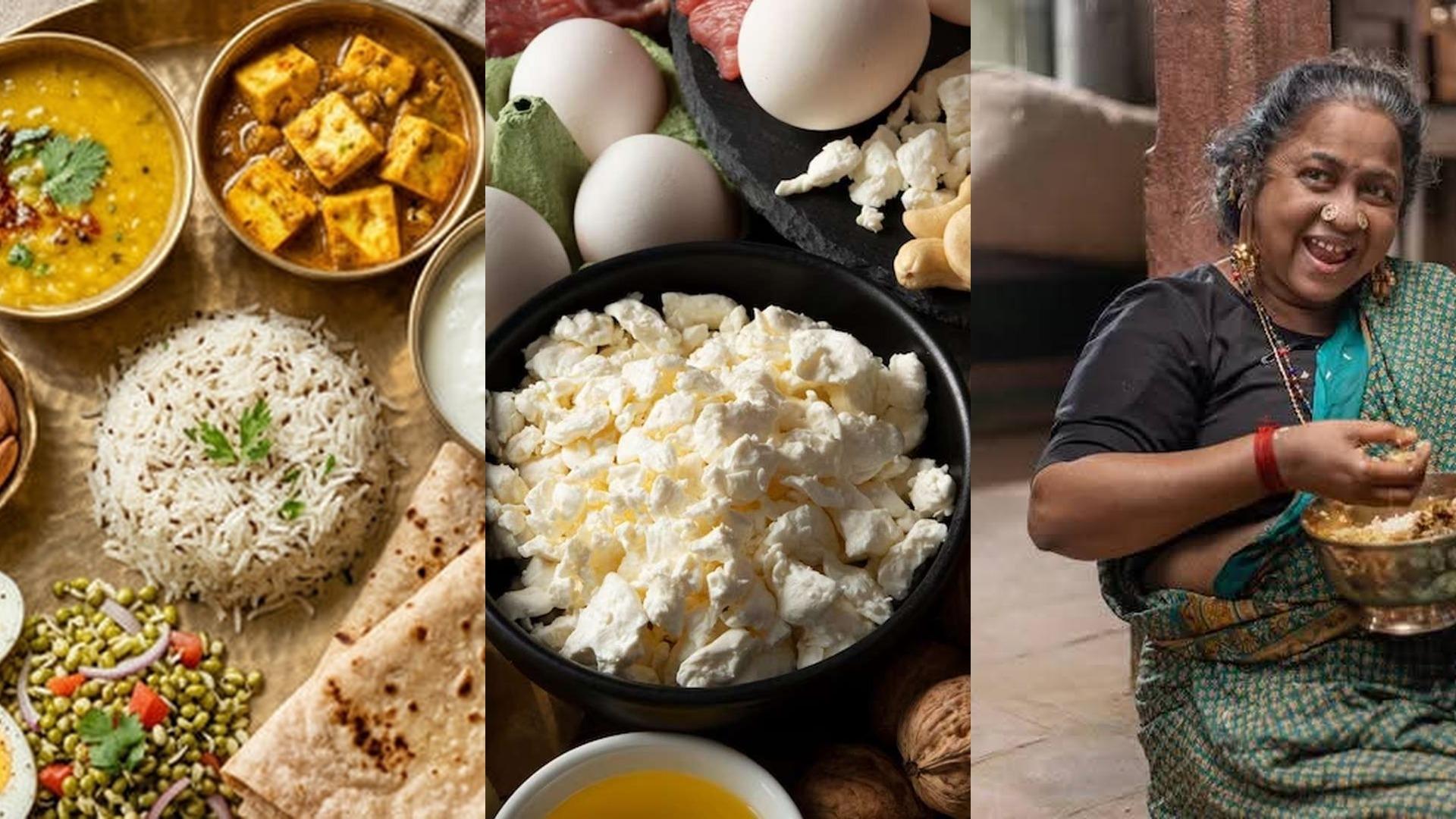
Why protein is important
Protein helps to keep our muscles, strength, balance and helps us recover. Older Adults may find they need to focus on their protein intake due to decreased appetite, taste, chewing, digestion and muscle response to food.
Research is still being done in this area and will depend on individual health, physical activity and medical conditions. Your doctor or a Registered Dietitian will be able to advise you.
Why have a decreased appetite?
There can be many reasons why your appetite decreases. This can include decreased taste/smell, dental issues or ill-fitting dentures, dry mouth, difficulty swallowing, medication, constipation, poor mood, loneliness, illness, tiredness and eating on their own. Many of these can be improved once identified.
If they have a sudden or prolonged decrease in appetite this should be discussed with a doctor.
Simple protein foods
Here are some simple foods that can help with your protein intake. Choose foods they enjoy and are easy to chew.
Moong dal khichdi – cooked soft and slightly mashed. Serve with a side of curd or egg.
Dal soups – thin and smooth. Can be blended. Finish with a gentle tadka.
Scrambled eggs/egg bhurji – cooked until just set.
Soft paneer bhurji – crumbled and gently cooked using mild spices.
Curd, lassi and buttermilk – cold or room temperature, plain or lightly flavoured.
Milk porridge – oats or ragi cooked in milk.
Besan chilla – thin and soft. Serve with curd.
Idli with sambar – soft idlis. The dal in the sambar provides some protein.
Soft tofu – cube or mash into soups, curries or bhurjis.
Mashed beans – cook until very soft. Mash.
Fish curry – Flake the fish (remove bones) and cook until soft.
Minced/chopped chicken – cooked until tender.
Eat little and often
Encourage them to eat little and often throughout the day. Try to include some protein in every meal/snack.
Increase the protein in meals without increasing bulk. Add milk powder to porridges, soups and dals. Add curd or paneer. Blend soaked nuts or nut butters. Add ground nuts/seeds into rotis and parathas. Cook oats/ragi porridges in milk. Add an egg to khichdis/upmas. Add a little bit of ghee to add flavour and energy.
Drink and snack. Milkshakes, smoothies, lassi, badam milk. Soups, curd with fruit, boiled egg, roasted chana (if they can chew), sprout salad (steamed/softened if needed), makhana/peanut chikki (soft/small).
Vegetarian/Vegan options. Dals, soya, tofu, nuts and seeds can provide protein. Curd and paneer can also provide protein for vegetarians. Worth discussing vitamin B12, iron and calcium with a doctor or Registered Dietitian.
Add flavour. Use herbs and spices, lemon, and tadka. Encourage them to eat their favourite foods. Use brightly coloured plates and small portions.
Meals
If possible, eating with family/friends can help. Meals should be relaxed and they should be sat up straight. Snacks should be easily accessible. Good oral and denture hygiene will help them to eat. Provide them with foods they enjoy, altering the texture. Involve them in deciding what they want to eat. Don't put pressure on them, they rarely benefit from being told off.
They may become less thirsty as they age. Providing them with fluids in between meals can help some to eat more. Constipation is common and can cause a decreased appetite. This should be discussed with a doctor.
Swallowing
If they are coughing/choking, have a wet voice whilst eating or avoiding some foods they may have difficulties swallowing. They should see a doctor who may refer them to a speech and language therapist or dietitian.
If they have swallowing issues they should be advised to eat softer or blended foods by a professional. Don't guess what to thicken or what texture to use. Sit them up and supervise. Whole nuts, hard/sticky foods can be a choking hazard.
Myths
‘Older Adults don't need as much protein.’ This isn't always the case. Individual requirements can vary and many Older Adults will need to focus on their protein. Ask your doctor or dietitian.
"Loss of appetite is a normal part of ageing." Whilst decreased appetite can be common, sudden or prolonged should be discussed with a doctor.
"Protein powders are the only way to get enough." There are many everyday foods that can help. Any supplements should only be taken under professional advice.
"Eating more protein damages the kidneys." Evidence is still emerging for people with healthy kidneys. Those with kidney conditions may need to reduce their protein intake. Always follow your doctor's advice.
"Small meals do not count." They will! Eating little and often with snacks can help.
When to see a doctor
If you notice:
Unplanned weight loss, lose of clothes/dentures
Not eating much for a long period of time or refusing to eat
Difficulty chewing/swallowing or pain
Constant nausea/vomiting/diarrhoea/constipation
Signs of dehydration
Confusion/poor mood
New weakness/falls
This is not a diagnosis. Many things such as dementia, depression and some medications can affect how they eat. They will need to seek medical support.
Those with kidney conditions, diabetes, heart conditions, liver disease, swallowing issues or taking regular medication should seek advice from a doctor or Registered Dietitian. Nutrition supplement drinks should only be taken under professional advice.