
Protein Is Everywhere: How Much Do You Actually Need?
15 Oct 2026
Protein Is Everywhere: How Much Do You Actually Need?
Walk down any supermarket aisle today and you are bound to find it. Protein cereal, protein chips, protein cookies, protein coffee, even protein water! Things that barely had any protein were once thought to now come with a label saying HIGH PROTEIN on the front! This got me thinking about how much we actually need to consider in terms of protein.
What protein is for the body
Protein is the building material of our body. It is used to make muscles, skin, hair, nails and also for enzymes, hormones and immune cells. The body is constantly repairing and rebuilding itself, hence why it needs a regular supply of protein. Unlike fat, the body stores very little protein, hence why it is important to have some at each meal.
How much is enough?
It depends on various things, like age, physical activity, health conditions and so on. Growing children, ageing adults, active people, and those recovering from an illness, all have unique requirements.
The recommended daily amount for a healthy adult is approximately 0.8 grams of protein for every kilogram of body weight, and that's a rough estimate! But what matters is that it's much less than what most ads for protein products suggest! Most people that stick to a home cooked Indian diet are already on par with this number.
The everyday Indian kitchen has plenty to offer!
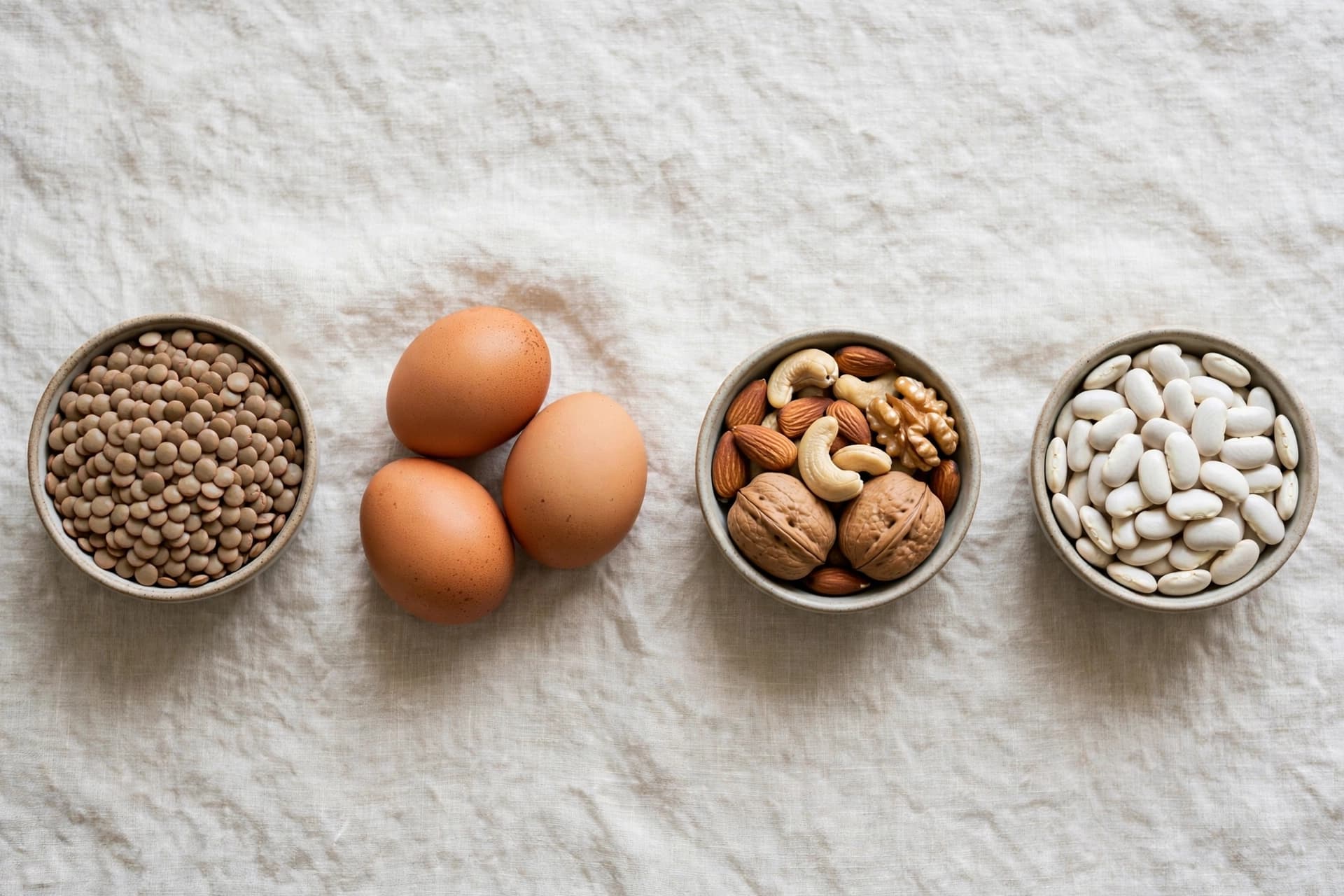
You don't need to go out and buy a protein bar, powder or any other protein enriched product, when your home already has plenty of protein rich foods.
Protein rich foods include:
Dals (moong, masoor, toor, chana dal, whatever is in your kitchen)
Rajma and chole
Chickpeas (boiled or in a salad, roasted chana is a hit too!)
Curd, buttermilk and milk
Paneer (in a sabzi, bhurji or grilled)
Eggs (boiled, omelette, bhurji or anything else)
Fish and chicken (curry, grilled, anything with your family)
Soya chunks and tofu (in pulao, curries, cutlets)
Nuts and seeds (peanuts, almonds, pumpkin seeds, sunflower seeds..)
Think about it, how much protein you already include in your day to day meals. Egg Bhurji with roti or Poha with peanuts and a glass of milk for breakfast, Dal, roti, sabzi and some curd for lunch, some handful of roasted chana or nuts in the evenings and a Rajma chawal or fish curry for dinner, is perfectly enough. No fancy scoops, and protein is there in each meal. Vegetarians can easily substitute fish and chicken with dal, curd, paneer, soya and legumes in their daily meals to meet the required amount.
About high protein labels
A high protein labelling is mostly vague, sometimes misleading. Sometimes, a minuscule amount of protein is added to a product that is mostly packed with refined flour, sugar or oil. Read the ingredients on the back of the pack instead of relying on the front. Such products are also a lot more expensive than something like a bowl of dal, which provides the same amount of protein. I do not discourage you from buying them. But a simple bar in your bag on your long travel days is enough, you don't need to feel deprived.
More is not always better
Excess of anything is not good, and protein is no different. Consuming much more than you need, will not magically build your muscles, it can also keep you from consuming much needed fibres, fruits and vegetables. Protein is a part of a healthy diet, but it should not be the only part.
Consult a professional if you think there could be a problem
If you are dealing with a medical condition, especially related to kidneys, pregnancy or any other special need, please consult a doctor or dietitian before increasing or decreasing your protein intake. Special diet requirements can vary from person to person, and they can advise you better on what you need.
Protein is important, but it is definitely not scarce. If you follow a home cooked Indian diet, your daily meals with dal, curd, eggs, paneer, legumes, chicken and fish (or their vegetarian substitutes) are most likely already fulfilling your protein needs.