
Ragi, Jowar, Bajra: Are Millets Really Better for Weight Loss and Blood Sugar?
15 Oct 2026
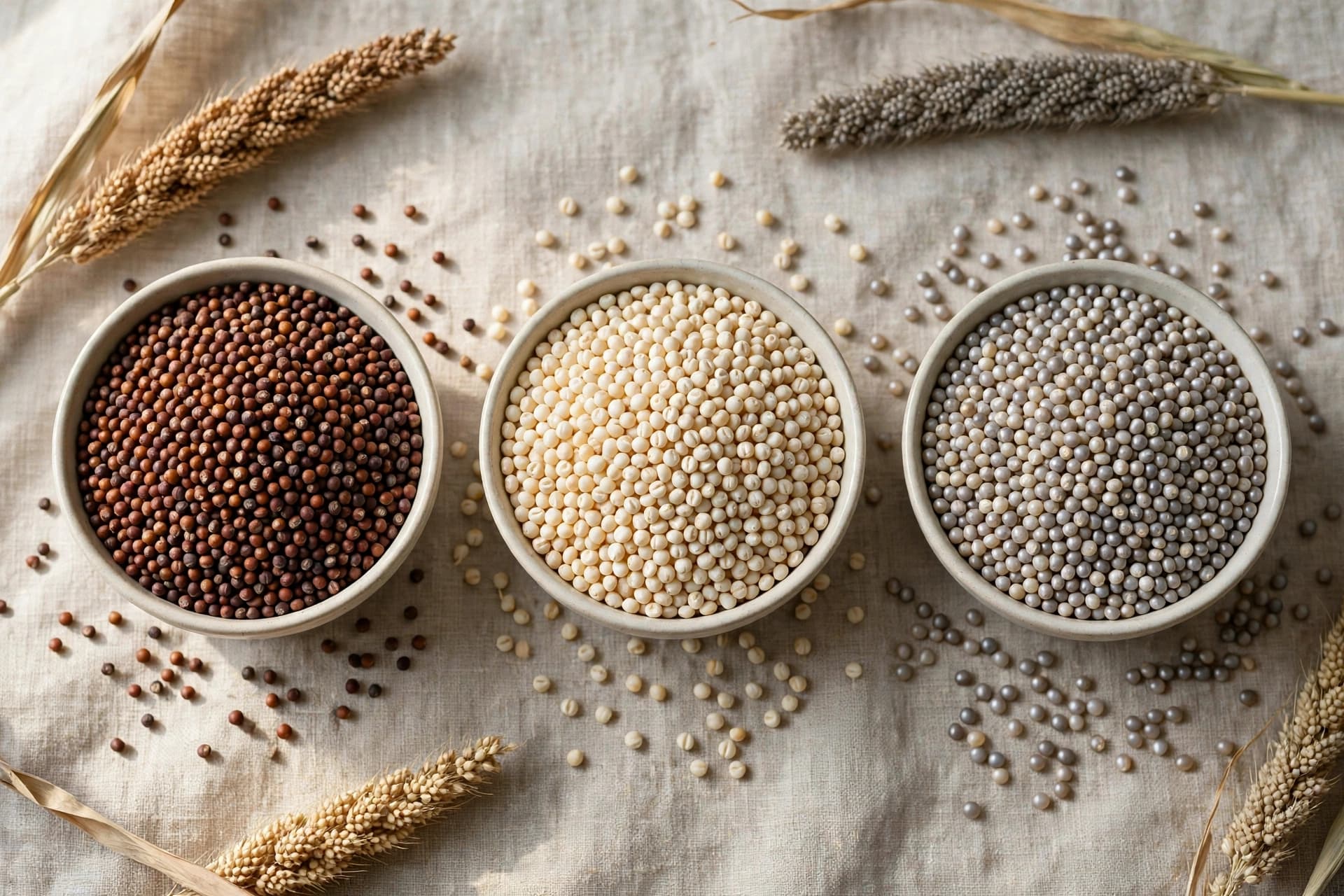
Ragi, Jowar, Bajra: Are Millets Really Better for Weight Loss and Blood Sugar?
Ragi, jowar and bajra appear everywhere now: at cafes as exotic delicacies, as packaged items at the market, in our social media feeds with grandiose claims. This article talks about what really holds true, what has been shown and even more importantly, how we can easily incorporate these grains into our daily meals. Read on to know more!
What makes millets nutritional interesting
Millets refer to small seeded grasses which have been cultivated in our country for ages. When consumed in the form of whole grains or coarse flour, millets are minimally processed and retain their fibre and micronutrient content. Millets offer a variety of nutrients, and each member of the family has their own unique perks.
Ragi (finger millet) is well known for being especially rich in calcium content as compared to other cereals. Bajra (pearl millet) is a great plant-based source of iron, along with magnesium and zinc. Jowar (sorghum) provides fibre, B-complex vitamins and some polyphenol antioxidants. All three millets are gluten-free, making them a good option for coeliac disease if they are not processed with wheat.
What the popular claims on the internet get right!
Millets can be a good source of fibre, and fibre helps us feel full and satiated for a longer time, while helping digestion stay regular. As a whole grain, millets tend to have a lower glycemic index than refined grains and wheat products. Hence, consuming foods made from millets can help maintain blood sugar levels, and studies conducted on diabetic patients have shown promising results. It is a slight edge, but a true advantage nonetheless.
What the popular claims cannot promise
Research on this front is still very new and the studies done so far are small scale, short term, use various types of millets and compare them to different food items. Results are very varied, and the individual's response to a particular grain depends on various factors. Processing also plays a key role in determining how our body reacts to it- something that people don't consider when they buy a packet of puffed millet as a healthy breakfast option. Millets cannot make you skinny or cure diabetes, and no food item can work that way. Body weight and blood sugar levels are maintained by a variety of factors such as diet, exercise, sleep, medication, and genetic disposition.
A fair comparison with rice and wheat
Rice and wheat are not unhealthy, you know! Rice and wheat have been the staple foods for ages, and both are incredibly versatile and fit well into most diets. Whole wheat atta is a great source of fibre and rice is light on the stomach and is very tolerable. Millets can just be an addition to make our diets even more wholesome.
Portion size and the rest of the plate
The plate is not complete with just the grain! Portion size and accompaniments are very important factors. A plate of jowar roti with dal, loads of veggies, curd and a good source of protein like paneer, eggs or fish will keep you full till dinner. The way you prepare the dish also matters: a plate of ragi sweets or fried bajra is not healthy just because it has millets in it.
Simple ways to include millets in everyday meals
Ragi dosa, with a side of veggie and spicy sambar and chutney
Ragi porridge, made with water or milk and nuts or fruits added in for sweetness.
Jowar roti, served with seasonal sabzi, dal and curd.
Bajra khichdi, made with moong dal and veggies for a wholesome meal.
Millet upma, with loads of veggies and peanuts thrown in.
Blend some ragi or jowar or bajra flour with wheat flour and make rotis and parathas.
Take it slow on your journey with millets! A sudden increase in fibre intake can lead to bloating and gas. Introduce millets into your diet one at a time and in small quantities for easier digestion. Also, make sure you are drinking enough water while adding fibre. Traditional preparation methods like soaking and fermenting (like in ragi dosa) can help with digestion.
When to speak with a professional
If you have concerns regarding your endocrine system like diabetes or thyroid issues or any renal problems, it is best to speak with a professional about your dietary restrictions and preferences. For people with diabetes, diet and medication go hand in hand. Millets can be a part of that diabetic diet, but it will require a lot of planning so it's better to take it up with a doctor. Certain millets have certain compounds which might interfere with thyroid functioning when eaten in large quantities, and some millets need to be restricted in renal diseases, hence individualised advice is needed.
The bottom line