
Sarcopenia after 60: Why Older Adults Lose Muscle Even When Their Weight Remains Stable
24 Nov 2026
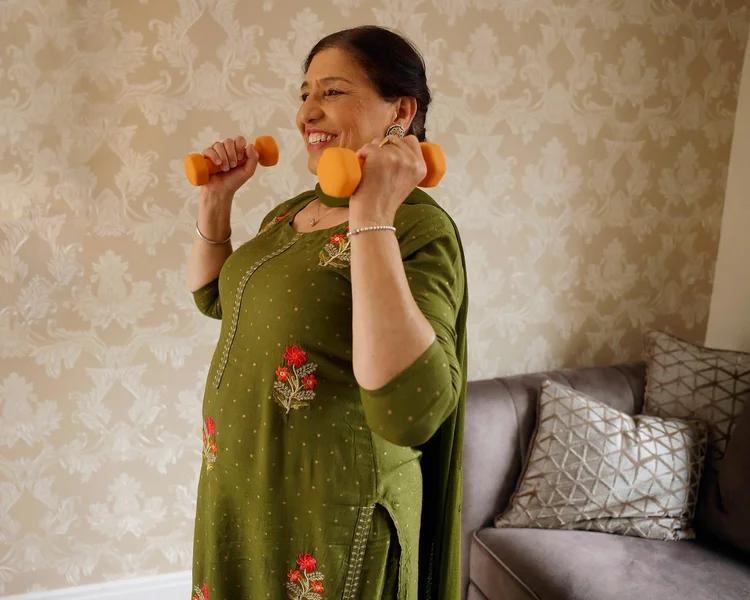
Some people in their 60s and 70s weigh the same as they did some 5 years ago, and they assume their body composition hasn’t changed. Meanwhile, as they age, they lose muscle mass without knowing it, and slowly they feel less energetic, and they also experience pain in the legs and difficulty climbing the stairs as they grow older. Most of the people, after they are in their 60s, suffer from sarcopenia, which is age-related loss of muscle mass, strength and function.
Why does a weighing scale remain stable?
The answer lies in body composition – the balance between muscles and fat in your body.
It’s a natural process that as we grow old, our bodies tend to lose muscle mass but gain body fat.
Since muscle is dense and heavier, and fat is light and more voluminous, the two tend to exchange places on the scale. You will lose one pound of muscle and gain one pound of fat.
The net result is the same old weight, despite feeling different in your clothes and experiencing gradual loss of strength.
Why Muscle Loss Happens After 60 :
Reduced levels of hormones such as testosterone, estrogen, and growth hormones make it difficult for the body to build up and restore muscle fibers.
As you age, your muscles lose efficiency in their use of protein for tissue synthesis. In other words, your body needs to make more effort in order to achieve the same effect.
Decreased mobility - Minor lifestyle changes, like retiring from a physically demanding profession or walking less, can weaken muscles.
How to Protect and Rebuild Your Muscle
Include Protein in Every Meal
Since aging bodies are not good at processing protein, taking protein throughout the day is more effective than having it concentrated in one meal during dinner. You can consider including proteins such as dal, paneer, curd, eggs, fish, chicken, tofu, or nuts in all your meals.
Add Simple Resistance Training
It is good to keep the heart fit by walking, but the muscles require resistance for development. The idea of lifting weights at the gymnasium may not be necessary since body weight training such as squats, push-ups, resistance bands, or dumbbell weight exercises twice or thrice a week can do the work.
Test Your Vitamin D Levels
Vitamin D is important in terms of muscle and bone health, and its deficiency is prevalent among people above the age of 60. Exposure to safe sunlight and testing your vitamin D levels can be of great help in terms of increasing strength and improving balance in the legs.
Aging well isn’t about keeping a steady number on the scale - it’s about protecting the muscle that keeps you strong, balanced, and independent.