
Street Food Smarts: Enjoying Local Cuisine While Travelling, Comfortably and Safely
13 Nov 2026
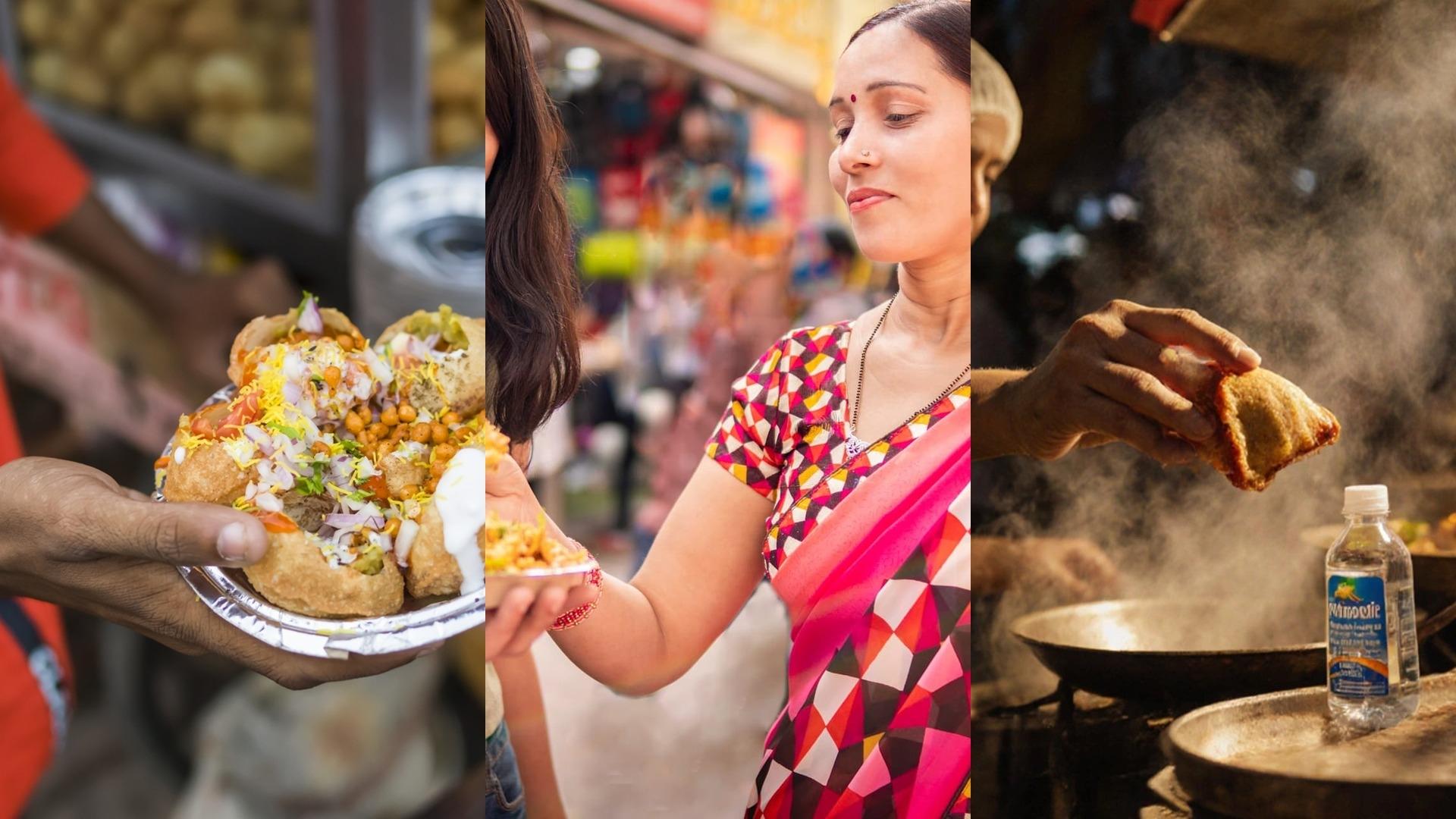
Why street food?
When asking experienced travellers what their favourite meal was during their travels, you will probably get an answer that involves eating on your feet from a paper plate by the side of a busy road! Street food gives you one of the most authentic experiences of a place. You can really get a taste for the food and culture of the area along with those who have perfected their particular dish over the years.
Many travellers have mixed feelings about trying street food. They may want to try out the food on the griddle but also worry about getting food poisoning. This is understandable however there are many street food vendors who will cook their food just as fresh and safely as you would get in a restaurant. There are no guarantees but below are some general guidelines to reduce your risk.
Why do I get food poisoning?
Most food poisoning issues for travellers are down to simple causes. These include eating food containing unfamiliar bacteria, food that has been left to sit in warm temperatures, unclean water or ice, unclean hands and sometimes just the shock to your stomach from new spices, oils and rich foods. Your risk will vary depending on where you are, the season, the vendor and yourself. Even those most careful can sometimes fall ill, there is no fault with anyone.
Where to eat:
Choose a busy stall with many locals buying from them. This will usually mean the food is fresher due to the high turnover. Look for food that is being cooked in front of you, clean work areas, covered ingredients, clean water and utensils and vendors who separate the money from the food or use tongs/gloves. If something doesn’t look or smell right trust your gut feeling and move on.
What to eat:
Try to stick to freshly cooked hot food. Peelable fruits such as bananas, oranges and mangoes. Some popular hot foods include:
Dosa, idli and vada – cooked on a hot griddle, steamed or fried to order and served immediately with sambar.
Parathas – rolled and cooked on a griddle with ghee or oil. Served hot.
Kachori, samosa and pakora – cooked in hot oil to order. Best eaten immediately.
Tandoori – cooked in a clay oven. Served hot.
Grilled corn – cooked over coals. Served with lime and spices.
Momos – cooked in batches and served hot.
Dal and rice – cooked in a pot and served hot.
Pav bhaji – mashed vegetables cooked on a large griddle. Served with toast and buttered bread.
Hot elements of chaat – such as tikki. Cooked on the griddle.
Be cautious with:
Salads, raw chutneys, cut up fruits, pani puri water, lassi and other milk based drinks, sweets in the heat, ice, tap water based juices and anything left out in the heat. These are not necessarily risky to eat. However the risk comes from how they have been handled, the water and the temperature. A fresh pani puri stall will be very different from one left out in the sun.
Drinks and water:
Stick to sealed bottles of water, boiled or properly treated water, hot teas/coffees and freshly opened coconut water. Be cautious with ice and drinks that have been diluted with tap water.
How to introduce street food:
Try to eat small portions and spread your street food out across your trip. Try one new item at a time and balance out any rich/spicy foods with simpler foods. Share your food to try more.
Eat regularly so you are not overly hungry when you get to the stall. Eat a proper breakfast, drink plenty of fluids and ensure you have had sufficient sleep. Being tired can make it harder to enjoy new foods.
Many people will eat lighter after a heavy day. Try curd rice, khichdi, bananas, toast or soup. Drink plenty of fluids and rest. Traditionally people will eat jeera water, buttermilk/curd, saunf and ginger to help them feel better. However we make no claims these will prevent or cure illness.
Hygiene:
Wash your hands with soap and clean water. If no water is available use hand sanitizer. Try not to touch your face. Pack a small hygiene kit with wet wipes, your own spoon/fork and reusable bottle.
If you do fall ill:
Mild food poisoning usually passes. The most important thing is to stay hydrated. Try to sip on small amounts of water or oral rehydration solution. Eat bland foods as much as you can. Please do not take any anti diarrhoea or antibiotic medications unless advised by a Doctor/Pharmacist.
If you experience any of the following seek medical attention:
Blood in your stools
High or prolonged temperature
Severe or prolonged vomiting
Severe stomach pains
Signs of dehydration – very little pee, dizziness, dry mouth, very thirsty or feeling weak
Symptoms lasting longer than a few days
Any symptoms in babies, young children, elderly, pregnant individuals or those with a chronic condition.
Those to be cautious:
Those who are pregnant, very young, elderly, have a weak immune system, diabetes or kidney/liver/digestive conditions should speak to a Doctor before travelling. They may need to be more cautious when eating street food. Those with food allergies should ask about the ingredients as cross contamination is common. Ensure you have any prescribed emergency medication with you. Those with special dietary requirements should check the ingredients and cooking methods as street food is often cooked in shared oil, ghee and utensils.
Myths:
Street food is always unsafe – No. Many vendors will cook fresh, well handled food. It depends how it is cooked, stored and served.
Spicy food kills germs – Spices just add flavour. Food should still be fresh, cooked properly and handled well.
Expensive restaurants are always safer – Price doesn’t indicate how well handled the food is. A busy stall with fresh hot food could be a better option.
Alcohol or hand sanitizer makes anything safe to eat – This isn’t true. Hand sanitizer helps if you cannot wash your hands but won’t make the food safe.
Busy vendors means the food is safe – This reduces the risk but doesn’t eliminate it.
Responsible travelling:
Street food helps support many people’s livelihoods. A friendly smile and thank you goes a long way. Tip if appropriate. Be respectful of local eating customs. Only take what you will eat and try to avoid single use plastics by bringing your own bottle and cutlery.