
Teen Nutrition: Eating for Energy, Growth and Exams
9 Nov 2026
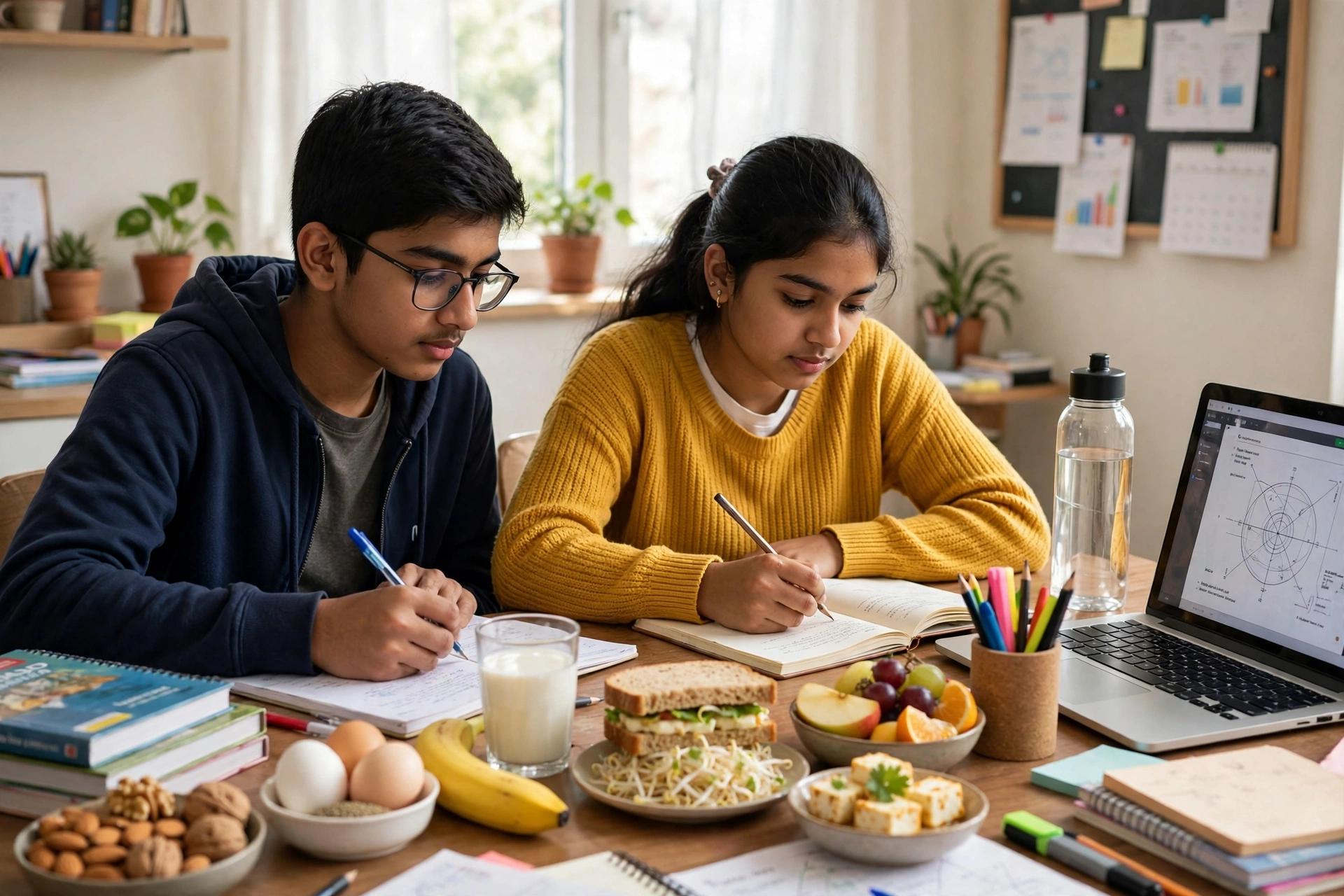
The teenage years can be a very busy time with rapid growth, lifestyle changes and strong opinions around food.
Why might your teen need more nutrients?
During the teenage years your teen may require more of certain nutrients due to growth spurs, building bones, brain development, puberty and many will have active lifestyles or sport. Everyone will have differing requirements depending on their age, gender, activity level, health status and growth. There is also not much research into specific foods and how they relate to exams. Think of food as a way to support yourself throughout the day.
Foods to help with energy and growth
There are plenty of foods available in your everyday Indian diet to support good energy and growth.
Regular meals – Breakfast, lunch, dinner and healthy snacks. If your teen skips meals they may feel tired, grumpy and lack concentration. Include foods such as poha with peanuts, idli with sambar, besan chilla, paratha with curd, eggs, dal rice, roti sabzi or khichdi.
Proteins – Dals, rajma and chana (curries or salads), eggs, paneer, curd and milk, fish and chicken. Sprouts, soya and nuts.
Calcium and vitamin D – Milk, curd, paneer, ragi porridge/roti, sesame (chutneys/laddoos), almonds and leafy greens. Many people in India lack vitamin D so it is best to get this checked by a doctor.
Iron – Lentils, spinach, methi, jaggery, dates, beetroot, eggs and meats. Pair with vitamin C foods such as lemon in your dal, amla or guava. Teenage girls who have started their period should ensure they're getting enough iron. If they're feeling tired, pale or lacking concentration please get this checked by a doctor.
Healthy oils and omega 3 – Nuts, seeds, walnuts, flaxseeds and fish. Use oils/ghee in moderation.
Wholegrains and millet – Roti, brown rice, oats, ragi, jowar and bajra. Also eat plenty of fruit and vegetables.
Fluids – Water, buttermilk, coconut water, nimbu pani and milk.
If your teen is vegetarian or vegan then they can get enough protein from dals, soya, nuts, seeds, curd and paneer. However, they may want to discuss vitamin B12, iron, calcium and vitamin D with a doctor or registered dietitian.
Eating during exam season
It is a good idea to have regular meals during exam season to help keep energy levels steady. Have a balanced breakfast on exam days such as idli with sambar, besan chilla or eggs with roti. Have easy snacks such as fruit, nuts, roasted chana, makhana, curd or banana. Have water on hand whilst studying. Try to avoid heavy or very oily meals late at night which can impact sleep.
Getting enough sleep is very important. Tea, coffee and energy drinks can really impact teens. They can increase anxiety and disrupt sleep. Try to avoid energy drinks.
Common issues
Many teens will miss breakfast, eat out with friends, eat lots of processed foods, sugary drinks, fast food, be fussy eaters and may have meals based around their hostel/canteen. None of these are bad! It is important to focus on the overall pattern across the day and week. Try to:
Include your teen when choosing and cooking meals.
Have fruit and nuts on show.
Pack a snack for school/coaching.
Eat together where possible.
Body image
Your teen may feel pressure from social media, friends or sport. During puberty there are many changes to their body and they may compare themselves to others. Try not to comment on their weight, size or portion sizes. Avoid talking about good or bad foods. Try to avoid using food as a reward or punishment.
If your teen is missing meals, avoiding eating with family, cutting out entire food groups, being very anxious about their weight, eating in secret, over exercising or having sudden changes in mood/appearance then please have a chat to a doctor or qualified mental health professional. It is good to get support early and only a professional can assess what is going on.
Stress and mental health
Many teens suffer from stress during exams. Having regular meals, sleeping, being active, getting outside and talking to someone can help. If they are consistently feeling low, anxious, panicky, withdrawn, struggling to sleep or have feelings of hopelessness then please get some support from a doctor or counsellor. If your teen is talking about self harm then please get immediate help from a doctor, crisis line or local emergency services.
Myths
‘They’re growing so they can eat whatever they like’ – Whilst they are growing they need to eat nutritious foods. Having a variety of foods will benefit them.
‘They can skip breakfast’ – Many teens struggle to concentrate on an empty stomach. Usually having a light, familiar breakfast helps.
‘Energy drinks help you study’ – They can increase anxiety and disrupt sleep. Try to avoid it.
‘Protein shakes are needed’ – Usually starting with regular meals and having proteins from everyday help. Talk to a doctor/dietitian if they need more.
‘Almonds help with memory’ – Almonds are nutritious but no one food helps with memory. There is not much research.
‘Cutting out carbs will help them be fit’ – Roti, rice and millet give energy to help them grow and study. We do not recommend cutting out entire food groups.
When to see a doctor
If your teen is concerned about their growth, constantly tired, very fussy eaters, have allergies, diabetes, thyroid issues, digestion issues, late/irregular periods or play intense sport then talk to a paediatrician/registered dietitian.
If your teen has a nut allergy then avoid nuts and seeds or swap as advised by your doctor. Check labels on processed foods for nuts and other allergens. Some may have warnings about being made in a kitchen/ factory with nuts.