
The Great Protein Obsession: How Much Is Actually Enough
16 Oct 2026
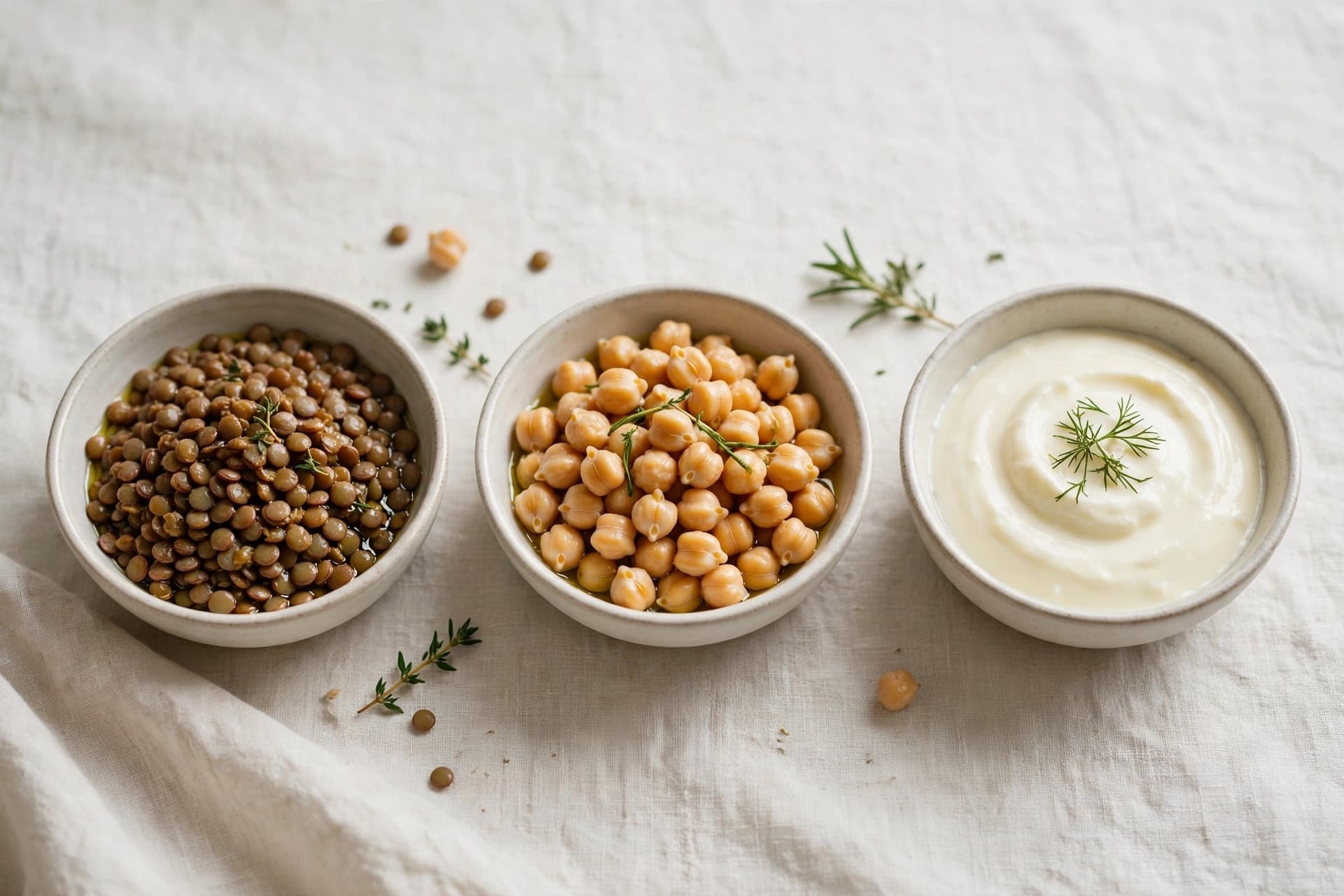
The Great Protein Obsession: How Much Is Actually Enough
Somewhere in the last few years things became weird in the food space and protein became the cool, sexy macronutrient. Yogurt now has added protein, water has added protein, there's even a protein pasta, protein bread, protein ice cream, protein coffee creamer. Every influencer's grocery haul video boasts grams of protein at least 4 times. It's wild.
I'm not here to say that protein is bad or that you're being misled by every single shaker bottle in the health food section. Protein is important, though the way it's presented now makes it seem like any average Joe who goes to a smoothie place once a week is about to start wasting away from protein deficiency.
What protein does
Protein is a group of amino acids that your body utilizes to make, maintain and repair things like muscle, skin, hair, enzymes, hormones, the whole nine yards. When you eat protein it's broken down and used wherever your body needs or to make something else. It also provides a degree of satiety compared to just carbs or fats, which is why it's been so heavily promoted in the space of weight management.
None of that is up for debate, it's all good stuff and reason to want protein. What is up for debate is how much you need to actually do all the things your body wants you to do with said protein.
How much protein do you actually need
The baseline for a fairly sedentary individual is about 0.8 grams of protein per kilogram of body weight. So, for an average 70kg (155lbs) person that's about 56 grams a day. This isn't that much, a few eggs, chicken breast and a greek yogurt and you're already close to that number.
For more intense individuals that's lifting weights, doing a sport or doing any kind of dedicated training to gain muscle mass your number moves into the 1.2-2.0 grams per kilogram range. This is where people get their protein needs crossed with their muscle gain needs. The higher range was originally for heavy athletes and people who are in a very rigorous muscle gain phase, and somehow along the way this got shifted to everyone including the average office worker with the occasional hike on the weekend.
There's another number that's too high as well, once you're eating enough protein to do all the things that protein does (maintain/repair muscle tissue and other bodily functions), any additional protein your body consumes over that threshold will not be converted directly into muscle. Any additional protein will either be burned as calories or stored as fat, the same way that any other excess calorie intake would.
In terms of getting enough protein for your body to maintain existing muscle and not worry about additional muscle gain, anywhere between 0.8-1.2 grams of protein per kilogram of body weight is plenty.
About all those protein products
Protein powder isn't the demon you think it is, it's actually a neat and easy way to boost your protein intake if you're a busy person, or you just don't feel like eating a full meal. All the other things with added protein are basically just regular snacks with protein powder mixed in and a much higher price tag. Reading the labels on those things is a good idea because sometimes the protein bump is minimal, just inflated by the protein powder marketing.
When everything shouts about how much protein it has, it can create this mental expectation and obsession with chasing that number and it becomes a math problem rather than something intuitive.
Some everyday protein sources
Here's roughly how much protein you get per serving from a number of common foods (no measurements of powder or bars included):
2 large eggs — ~12g
Chicken breast, 3.5oz (100g) — ~31g
Ground turkey, 3.5oz (100g) — ~27g
Salmon, 3.5oz (100g) — ~22g
Greek yogurt, 1cup — ~20-23g
Cottage cheese, 1cup — ~25g
Milk, 1cup — ~8g
Tofu, firm, 1 cup — ~20g
Lentils, cooked, 1cup — ~18g
Black beans, cooked, 1cup — ~15g
Chickpeas, cooked, 1cup — ~15g
Peanut butter, 2 tbsp — ~7g
Almonds, 1/4 cup — ~7g
Edamame, 1cup — ~17g
Stack 2 or 3 of these across your daily meals (breakfast, lunch, a snack, dinner) and you've already reached your number without protein bars or shakes.
Things to remember
Most sedentary individuals likely consume enough protein to maintain muscle (0.8g/kg BW).
Individuals participating in sports or weight training need more protein for muscle gain (1.2-2.0g/kg BW).
Most likely you don't need protein products to gain muscle since regular foods provide enough protein.
Check the labels on protein enriched products since they sometimes provide only a small protein boost while having a significantly higher cost.
Eating more protein than you need will not result in increased muscle mass (unless you also train and consume enough calories).
Great everyday sources of protein include: eggs, chicken, turkey, fish, greek yogurt, cottage cheese, lentils, beans, tofu, nuts, milk.
In general protein should get its well-deserved attention but the fear that most people are being marketed towards is unwarranted. If you like your protein shake or your protein bar, keep doing it, there's nothing wrong with it. But most of us are not on the verge of a protein-induced breakdown, just having a normal bowl of regular yogurt.