
The Lactation Plate: How to Nourish Yourself While Feeding Your Baby
19 Oct 2026
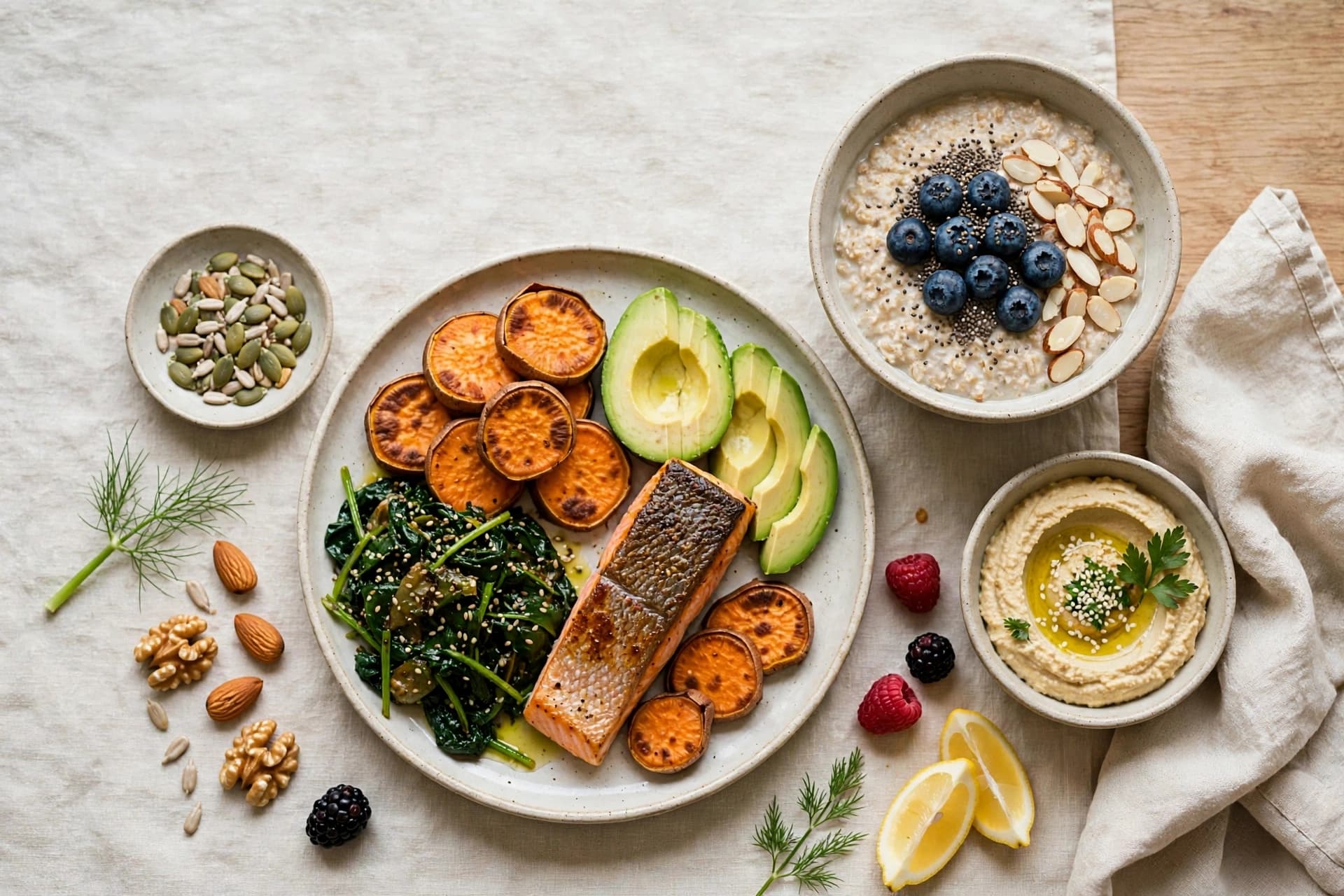
The Lactation Plate: How to Nourish Yourself While Feeding Your Baby
Around 400 to 500 extra calories each day, which is more than you burned during your third trimester. Every drop of milk your baby drinks has to come from somewhere. It is made up of real things: the food you eat , the water you drink, your proteins, your fats, your blood sugar. When you do not feed yourself, your body will not cut off the baby's supply. If you are not eating enough calcium, your body will take it out of your bones. If you are not getting enough protein or iron, your body will start breaking down your own muscles and emptying your deep reserves just to make it nutritional perfect. Hence, it is necessary to feed yourself first with the right amount of nutritious and balanced food.
Energy:
An additional 600 kcal for the first six months is recommended to meet the body's increased energy demand. So it is necessary to eat energy dense foods or simply increase the portion of the food. Add nut and seed ladoo, gond ladoo, Dates, 1 tsp ghee to your roti, and add peanuts to your food.
Carbohydrates :
It is necessary to consume carbohydrates, as carbohydrates acts like fuel for your brain and also provide energy at the same time. So the quality and quantity of carbohydrates matter in the diet. Include some good carbs like Ragi, Jowar, Bajra, Rolled Oats, Rotis, Rice. (limit rice quantity if having diabetes)
Protein:
It is important to note that human milk also contains some amount of protein. So the protein requirements increase during lactation; in the first six months, 17 g of additional protein is required and in the remaining period i.e 6-12 months), an additional of 13g of protein is required. Include protein in your every meal as it will also help in reserving your muscle mass. Include paneer, eggs, dal, pulses,legumes,lentils, dairy and dairy products, fish.
Fat:
The total amount of fat in breast milk is not influenced by the mother's diet, the composition of the milk fat reflects the composition of the mother's diet. Include good fat in your diet like walnuts in the early morning, almonds, flaxseeds, chia seeds and if non-vegetarian include fatty fish in your diet.
Hydration :
An increased intake of fluids is necessary for adequate milk production, since milk is a fluid tissue. Water and beverages such as juices, soups, buttermilk, and milk all add to the fluid necessary to produce milk. A lactating mother should take 2-3 liters of fluid per day. Remember, it is best to avoid caffeine intake, as caffeine is absorbed into human milk and can inhibit the let-down reflex. Therefore, it is recommended to limit caffeine-containing beverages to 1 cup per day for lactating women.
Always remember a nourished mother has a well-nourished baby.Eat your nutritious food at proper timings. Dont skip any meal. And always stay hydrated.