
The Mithai Math : How much sweet is too much and how to enjoy it mindfully
8 Oct 2026
The Mithai Math: how much sweet is too much and how to enjoy it
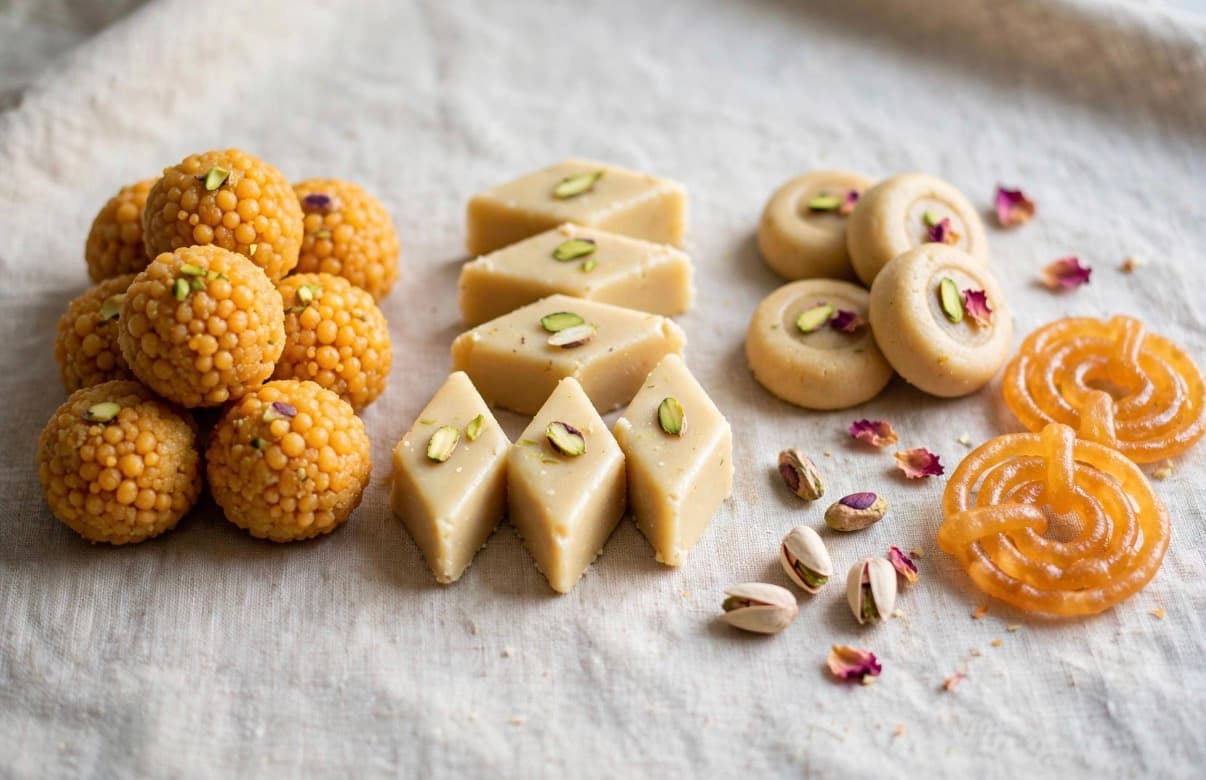
Festive boxes full of sweets tied with a golden ribbon, sparkling fairy lights, and the wonderful scent of besan and green cardamom are the staples of any Indian celebration. But for many of us, the festival season is synonymous with sweet guilt. We either resort to extreme measures like forbidding ourselves from eating sweets altogether and fail at the third day of the festival , or we stuff ourselves with kaju katli and then suffer the consequences of a bloated stomach and a sugar crash. You do not have to deprive yourself of sweets just because you ate a plateful of ladoos during the festival. You need to calculate the math of mithai and keep your taste buds healthy. Mithai is an integral part of our celebrations, but there is no reason to feel guilty about enjoying it. However, a little math can help you avoid the infamous sugar crash.
Decoding the Math: What Does One Piece Actually Consist Of?
Sweets consist of a lot of calories because they are made of sugar, khoya/ mawa, and desi ghee. The following is a list of how much sugar is present in traditional Indian sweets:
sugar (g) Standard serving
kaju katli (1 piece): 8-10g
1 besan ladoo: 8-12g
1 piece gulab jamun in syrup: 15 -20 g
1 piece rasgulla: 12-15 g
Milk cake (1 square): 8-10 g
How much is “too much”?
One ladoo or gulab jamuns have enough sugar to give you a dose of 20-30 g of pure sugar! This is a massive amount of carbohydrates to load in your body within minutes – does this mean you have to be a spectator at the mithai table? Not really. It means you need to monitor the quantity and frequency and not overdo it. One or two pieces per day should not harm, provided you keep a tab on your overall calorie consumption. Moreover, one must be careful about the time one consumes these sweets. Eating sweets on an empty stomach can cause a sudden spike in your insulin levels.
Practical Tips to Help You Enjoy Festive Sweets Mindfully
One must wisely choose the time to eat sweets. Avoid the first and the last slot as the body’s metabolic rate is slow during these times. If you want to have some sweets, have them post-lunch or after a walk when the body requires more energy.
Have a salad or curd before mithai. A diet rich in fibers can help slow down the sugar absorption from the gut to the bloodstream.
Go for healthier options (Sandesh rich in protein or nut ladoos rich in essential fatty acids and protein). This gives the body a much-needed dose of proteins and healthy fats along with fiber to balance out the sudden sugar crash.
Eating a piece of mithai won’t kill you. It’s thinking about eating the entire box of ladoos that will give you a complex guilt-trip. Don’t think about it as cheating but as a reward. However, it’s crucial to do some post-dessert activity like walking to help the body burn some of the extra sugar. After all, nothing feels better than going on a long walk post-indulgence in festive mithai.