
Thyroid and Weight Gain: What to Eat and What to Be Mindful Of
16 Oct 2026
Thyroid and Weight Gain: What to Eat and What to Be Mindful Of
How the thyroid affects weight
The thyroid is a small, butterfly-shaped gland at the base of the neck. It produces hormones that help the body regulate its energy, affecting heart rate, body temperature, digestion and metabolism.
When the thyroid is underactive, a condition known as hypothyroidism, the body tends to use energy more slowly. This is one reason some people with an underactive thyroid notice weight gain, along with tiredness, constipation and feeling cold.
It helps to keep this in perspective. Weight gain linked to a thyroid condition is usually modest, and part of it can be water retention rather than body fat. It is mainly addressed through proper medical treatment prescribed by a doctor, not through diet alone. It is also worth remembering that many people gain weight for reasons that have nothing to do with the thyroid, such as changes in activity, sleep, stress, certain medicines, hormonal shifts or ageing. Weight gain on its own does not mean that something is wrong with your thyroid.
Foods that support you
No food treats or cures a thyroid condition, and none can promise weight loss. What a balanced diet can do is support your overall health while you follow your treatment plan. The research on specific foods and thyroid health is limited, and responses vary from person to person, so think of the options below as general good habits rather than a prescription.
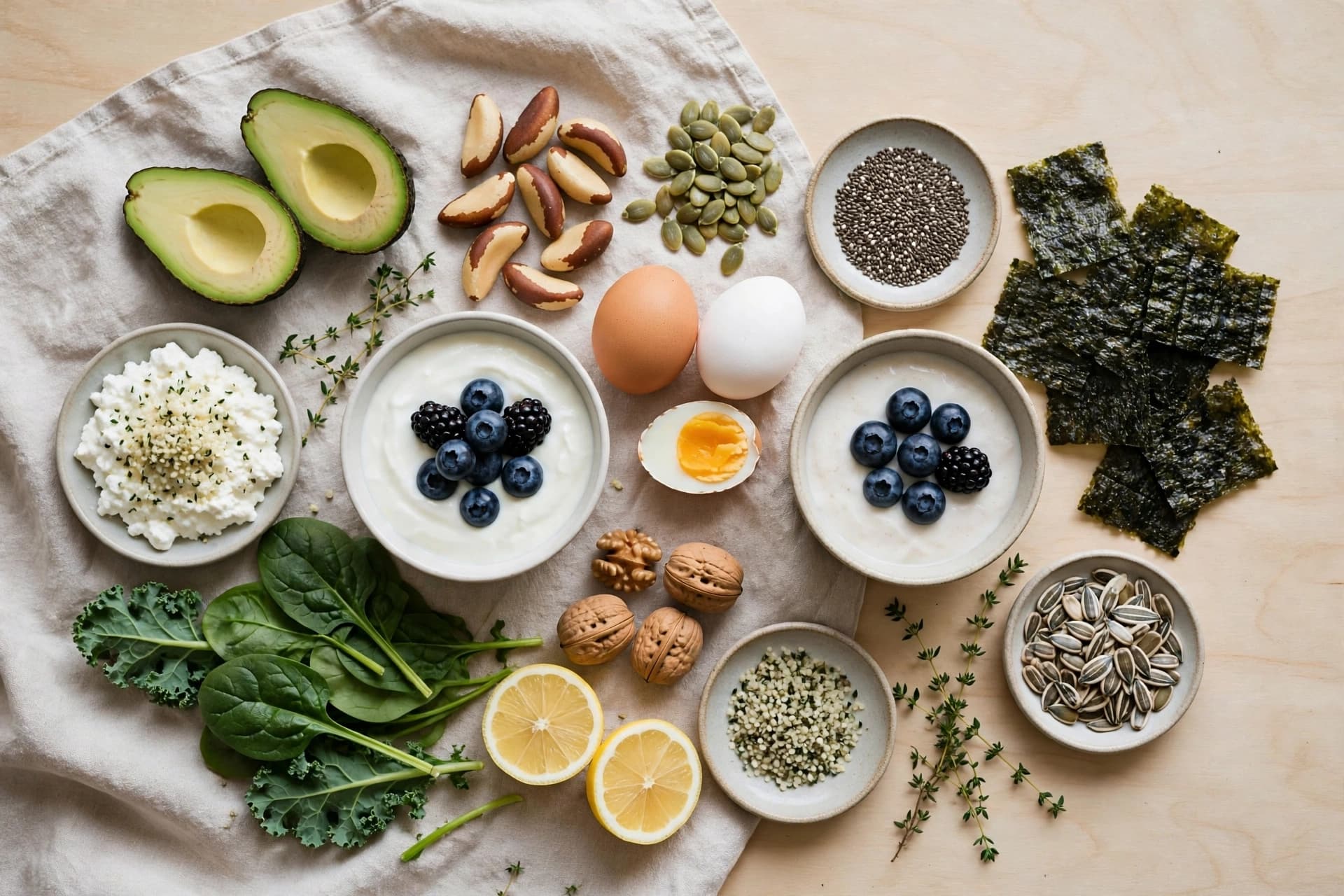
Iodine-containing foods: iodised salt, dairy and eggs in everyday amounts. The thyroid needs iodine to make its hormones, and ordinary meals usually provide enough.
Selenium sources: eggs, sunflower seeds and Brazil nuts. Brazil nuts are very rich in selenium, so keep them to small amounts.
Zinc sources: pumpkin seeds, chickpeas and dals.
Protein sources: eggs, paneer, curd, fish and dals, which help keep meals filling and balanced.
Fibre-rich foods: vegetables, fruits, whole grains and oats.
Good hydration: water through the day, alongside other fluids you enjoy.
Fibre and fluids deserve a special mention. Constipation is common with an underactive thyroid, and a steady intake of fibre-rich foods together with enough water can make a noticeable difference to comfort. If constipation is persistent or severe, mention it to your doctor.
What to be mindful of
Goitrogenic foods. Cabbage, cauliflower, broccoli and soy contain natural compounds that, in very large amounts, may interfere with how the thyroid uses iodine. This often causes unnecessary worry. Normal, cooked portions are generally fine for most people, and there is no need to cut these foods out unless your doctor advises it.
Highly processed foods, sugary drinks and refined snacks. These are best limited for general health reasons, as they would be for anyone. They are not thyroid villains, and avoiding them is not a thyroid treatment.
High-dose iodine, kelp, seaweed and thyroid "boosting" supplements. More is not better here. Too much iodine can worsen thyroid problems, and products marketed as thyroid boosters are not a substitute for treatment. Please check with your doctor before taking any of them.
Medication and mealtimes. Thyroid medicine can be affected when it is taken in relation to meals, coffee, calcium and iron. The right approach depends on the medicine and the individual, so ask your doctor or pharmacist how best to take yours.
When to see a doctor
Fatigue, hair fall, sensitivity to cold, constipation and unexplained weight changes can all have many causes, and a thyroid condition is only one of them. If these sound familiar, the sensible next step is a conversation with a doctor, who can arrange a simple blood test. Self-diagnosing, or starting supplements on a guess, is best avoided.
If you already have a thyroid condition, keep up with your regular check-ups and follow the plan your doctor has set. Food can play a supporting role, but treatment is what makes the difference.