
Thyroid Health : Hypothyroidism and Diet: Foods to Help and to Be Careful With
30 Oct 2026
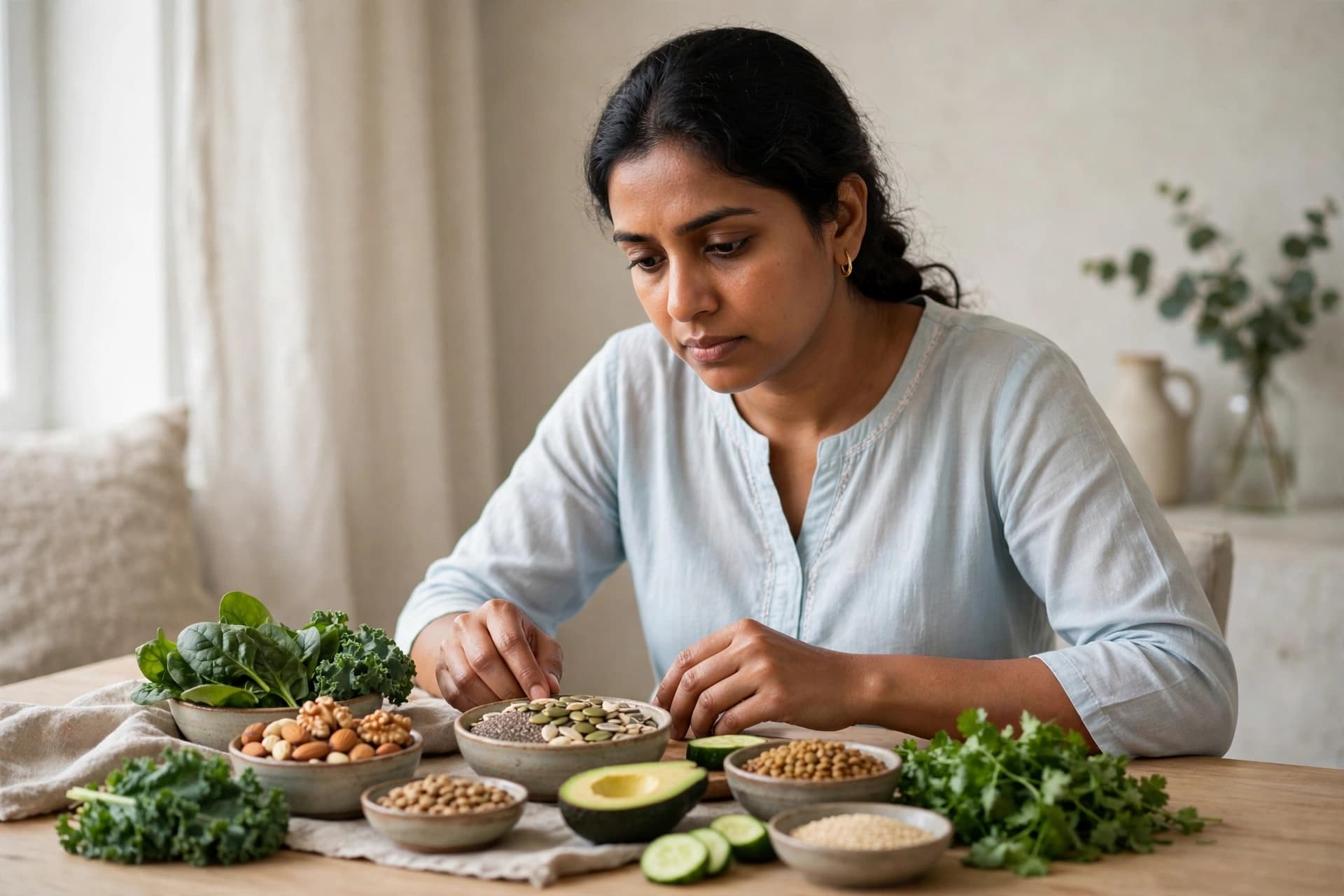
What is the Thyroid?
The thyroid is a small butterfly shaped gland located at the base of your neck. It produces hormones that help the body utilise energy and can affect your heart rate, body temperature, digestion and mood. In hypothyroidism (underactive thyroid) the thyroid doesn’t produce enough hormones and can cause many processes in your body to slow down.
Hypothyroidism is a medical condition. It can be managed with correct diagnosis and treatment by your doctor. Whilst diet can help your overall health it cannot cure or reverse hypothyroidism. There is little research on any specific foods and thyroid health so results can vary depending on the individual.
Foods to include:
A varied and balanced diet provides all the essential nutrients. Using the following common Indian foods will provide you with the following:
Iodine – Iodised salt used in daily cooking and milk, curd, eggs and fish. Use normal amounts in your home. Too much can cause issues with your thyroid.
Selenium – Eggs, sunflower seeds and fish. Can occasionally eat brazil nuts in small amounts.
Zinc – Roasted pumpkin seeds, chickpeas in curry or salad, dals and mixed nuts.
Protein – Eggs, paneer, curd, dals, sprouts, fish and chicken.
Fibre – Vegetables, fruit, oats, millets like bajra and jowar and wholegrains like whole wheat roti. Fibre can help with constipation which is commonly complained about with an underactive thyroid. However, try to increase gradually and drink lots of water.
Iron, calcium and vitamin D – Leafy greens like palak and methi, ragi, sesame seeds, dairy and some sun. Often people with hypothyroidism can suffer from deficiencies so ask your doctor to check.
Thyroid medication should be taken regularly. Try to avoid having coffee, calcium, iron or certain foods around the time you take your thyroid medication. Ask your doctor or pharmacist when would be best to take it.
Foods to be aware of:
These are not foods to avoid but just a quick guide.
Cabbage, cauliflower, broccoli and soy contain naturally occurring compounds which could affect your thyroid. However eating them in normal amounts when cooked is generally ok for most people. Unless your doctor says otherwise there is no need to avoid it.
Processed foods, sugary drinks and refined snacks – Like everyone, it is best to try to keep these to a minimum for general health.
Kelp, sea weed and thyroid support supplements can contain very high amounts of iodine and could cause issues with your thyroid. Don’t take any of these without medical advice.
Gluten – Most people with hypothyroidism won’t need to follow a gluten free diet. If you think you may have coeliac disease talk to your doctor.
Weight gain/loss associated with hypothyroidism is usually minimal. No one food will guarantee to change your weight. Your sleep, stress and regular physical activity will also play a part.
Common Myths:
Myth: All cruciferous vegetables should be avoided. Fact: Most people can enjoy cooking cruciferous vegetables in normal amounts. Your doctor will let you know if you need to make any changes.
Myth: Going Gluten free will solve thyroid issues. Fact: This will not treat hypothyroidism. It will only be needed if you have a condition such as coeliac disease. This needs to be confirmed by your doctor.
Myth: Supplements can be used instead of medication. Fact: No they cannot and some can be harmful. Never stop or change your medication without asking your doctor.
When to see a doctor:
If you are experiencing unexplained tiredness, weight changes, hair loss, constipation or unusual coldness see your doctor for tests. If you are pregnant or planning to become pregnant or have other health conditions talk to your doctor or registered dietitian about your diet.