
Vegetarian Protein sources for muscle building: Dal, paneer, soy, and beyond
9 Nov 2026
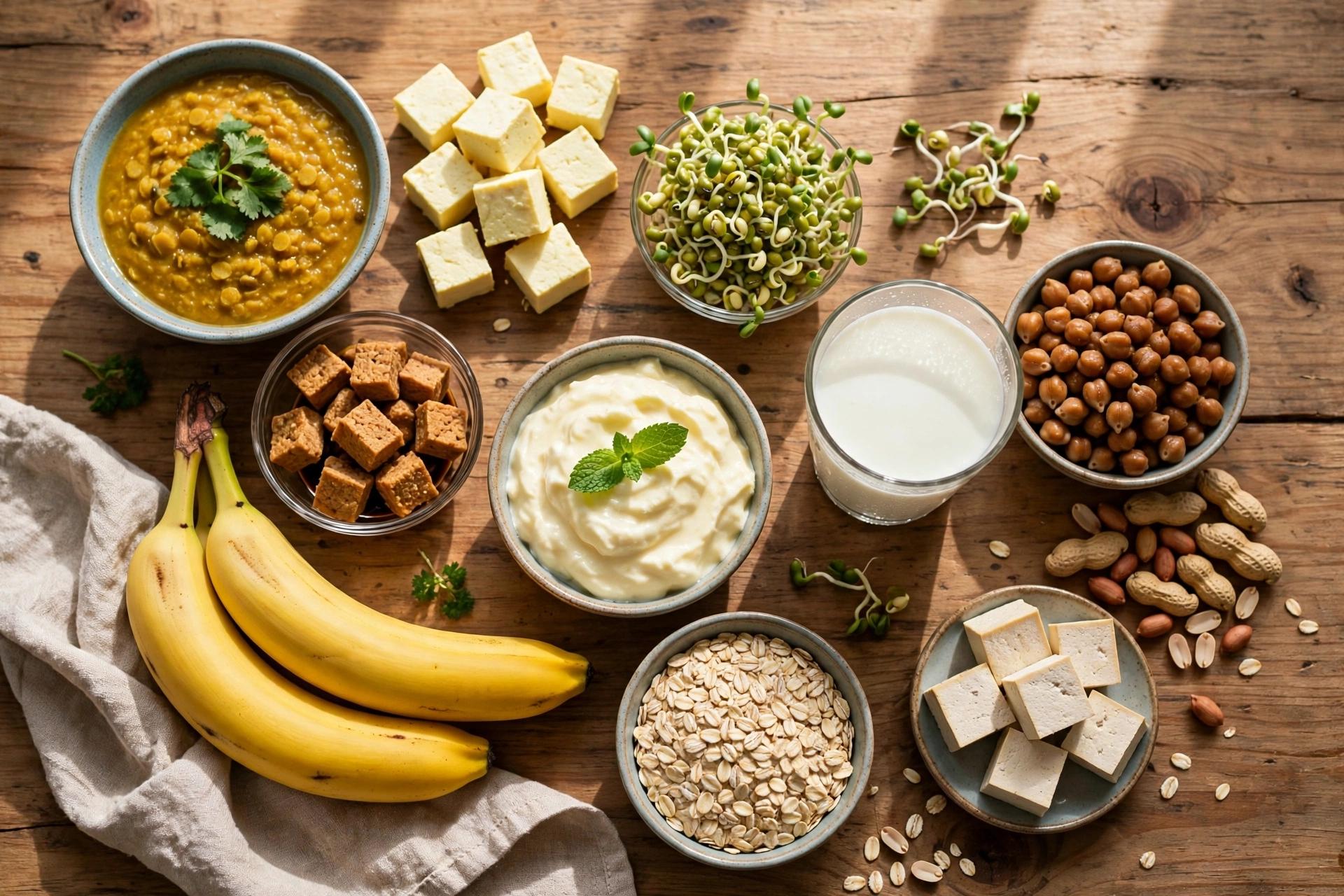
Most of you will have noticed athletes consuming protein sources such as chicken, eggs, and meat for muscle building. Not necessarily does it mean that you must consume non-vegetarian protein sources to build muscles; you can build muscles consuming vegetarian protein sources as well. This is a myth most of you will have: that muscle-building is not possible through vegetarian protein sources. Firstly, there has to be a total consumption of protein and essential amino acids per day in muscle building; there is no difference whether the proteins come from vegetarians or non-vegetarians. Here are ways to fulfill the requirements of your protein per day when there is a struggle with protein consumption from vegetarian sources.
The sole drawback of vegetarian sources is the deficiency of 1 to 2 essential amino acids. Other protein sources will need to be added for that purpose. Like consuming rice along with dal can help fulfill the protein requirements, or Moong dal Khichdi has all the essential amino acids needed for muscle building.
The indian staples for protein sources :
Dal & legumes: Dal takes the honor of being recognized as the best protein source in Indian cuisine, but dal nutrition facts prove that it represents fiber and complex carbohydrates plus an added amount of protein. A single dish will provide you with about 14-20 g of carbs with only 6-8 g of incomplete protein, which means that depending only on dal for daily needs will add plenty of carbohydrates to your diet.
To increase the nutritional value and content, soak and sprout the whole pulses to break down antinutrients and ease digestion, and elevate the meal’s overall protein density.
Dairy products like paneer, milk, curd
These protein categories are known as complete protein sources due to their rich amino acid profile and high biological value, offering sustained release from casein.
Soy chunks & tofu :
Soya chunks (50-52 g protein per 100g dry) and tofu/tempeh offer one of the highest protein-to-calorie ratios in plant foods.
Besides this, you have other protein-rich vegetarian sources which are mostly overlooked, and these are :
Seeds and Nuts: Pumpkin seeds, flaxseeds, walnuts, and almonds are good sources of protein plus they are also good sources of essential fatty acids. Seeds and nuts can be consumed as good mid-day snacks rather than just bingeing on packaged chips, which provide absolutely nothing.
Edamame: Edamame sounds fancy, but it’s simply young, green soybeans picked before they harden and turn into the dry beans used for soy milk or tofu.
It packs around 17 grams of protein per cup. For a whole-food plant snack, that’s a massive hit. To put that in perspective, a cup of edamame gives you nearly the same amount of protein as three small eggs or two glasses of cow's milk.
Most plant foods lack one or two essential amino acids (the building blocks your body can’t make on its own). Edamame contains all nine, meaning your muscles get everything they need to repair and grow without you having to combine it with other foods.
You can eat this as an evening snack; just boil them, add a little seasoning, and have them as a snack. If your 4 PM hunger usually leads to biscuits, chips, or skipped meals, keeping a bag of frozen edamame on hand is an easy upgrade. It takes under five minutes to make, satisfies the urge for something salty and savory, and quietly gives you a major portion of your daily protein target.
Next are the nut butters like peanut butter and almond butter; just make sure that this nut butter has 0% added sugar in it. You can consume the nut butter with dates or simply have it with whole wheat toast.
Building muscle on a vegetarian diet does not require force-feeding dry soya chunks or giving up culinary joy - it just requires knowing how to combine foods smartly and prioritizing protein-dense options over carbohydrate-dominant ones.