21 Nov 2026
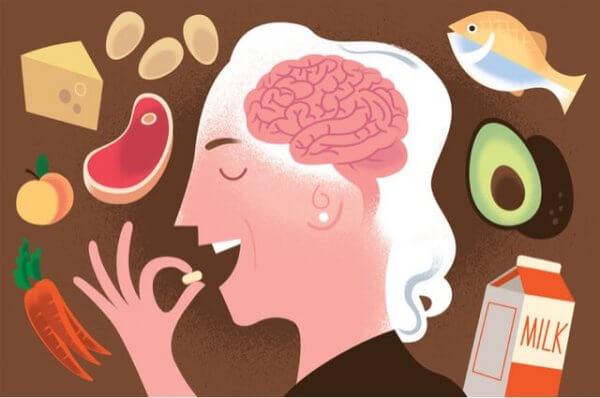
Causes of reduced memory, being tired in the afternoons and feeling slightly low in mood can be put down to simply getting older. However it is important to consider that this may be due to a treatable cause.
Vitamin B12 is required to make new red blood cells and DNA and to allow normal function of nerves. It is mainly found in animal sources. In order to absorb B12 from food, hydrochloric acid from the stomach and intrinsic factor protein must be present in the body.
Reduced absorption in older people: Many older people produce less stomach acid meaning less B12 can be absorbed from food, despite eating a sufficient diet.
Medications: Long term use of some Diabetes and acid reducing medications can reduce B12 absorption. Do not stop or alter these medications. Speak to your doctor to see if it would be suitable to monitor your B12 levels.
Diet: Being vegetarian or vegan, or eating a diet very low in dairy, eggs and fish puts people at increased risk. Eating less in later life and/or eating a less varied diet can also contribute. All diets are valuable. There may just be extra planning required with certain diets.
Medical conditions: Conditions including pernicious anaemia (and other autoimmune conditions), previous surgery to the stomach/small intestine, Coeliac Disease, Crohn’s Disease and chronic heavy alcohol consumption can affect B12 absorption.
Prevalence of B12 deficiency appears to be common in India. More research is ongoing to determine the exact prevalence and ideal levels. Different experts may have differing opinions on what should be considered low.
As symptoms develop gradually and can be similar to those seen in ageing, depression, thyroid issues, diabetes, dementia, and side effects of medications, it can be difficult to suspect B12 deficiency. Normal blood results can be seen even in people with low B12. Borderline levels can be difficult to interpret and so doctors may perform further tests. B12 levels may not always be measured as part of routine blood tests.
Many people with early symptoms may ‘adapt’ without realising. Or individuals may not be asked about symptoms. Sometimes families may notice changes in people before they do. This is not the fault of the doctor, person or carer.
Fatigue
Pale/ slightly jaundiced skin
Shortness of breath with light exertion
Numbness, tingling and/or burning in hands and feet.
Loss of balance
Sore or smooth tongue
Feeling low or grumpy
Difficulty concentrating
Memory loss and confusion.
There are many causes of these symptoms. Many people with low B12 may not display many symptoms.
Vitamin B12 and memory
Some people with low B12 may experience difficulties with memory and cognition. If treated correctly (ideally at an early stage) in some people these issues can improve. However, if B12 deficiency has been present for a long time, permanent nerve damage may occur. It is not possible to know who will make a full recovery.
Studies have not found that taking extra B12 can improve memory or change the progression of dementia in people who are not deficient. It is therefore incorrect to consider B12 a ‘memory boost’. B12 is not a treatment for dementia or Alzheimer's. Research is ongoing and results may vary between individuals.
Eat a variety of foods to include B12 in your diet.
Dairy – milk, curds, buttermilk, paneer and cheese. Milk with breakfast, curds with meals, or chaas. Paneer in dishes such as sabzis. Very useful for vegetarians who consume dairy.
Egg – boiled, scrambled or omelettes. Very useful for vegetarians who consume eggs.
Fish – sardines, mackerel and salmon. Can be made into mild curries or grilled.
Poultry, lamb, and organ meats (such as liver). If consumed, can be made into curries or stews. If you have concerns regarding heart health, cholesterol or other medical conditions, consume in moderation and seek guidance from your Doctor.
Fortified foods – Some breakfast cereals, plant milks and other fortified foods contain B12. The amount of B12 may vary depending on product so please check the labels.
Vegetables, pulses, cereals, fermented foods and seaweeds/mushrooms are not reliable sources of B12. Strict vegetarians/vegans should seek guidance from a doctor or registered dietician.
Soft foods may be easier to consume if struggling with appetite or chewing difficulties. For example: fruit and curds, scrambled egg, paneer bhurjis, khichdi with curds, milk based porridges and soft flaked fish curries.
Your doctor will be able to test for low B12 levels (and may carry out further tests). Treatment will depend on the cause of deficiency. You may be advised to take B12 supplements or injections (particularly if there is poor absorption from the gut). Individualised treatment will be given considering the amount, type and length of treatment. This must be done with medical support and follow up.
Do not take self medication, injectable B12 or stop treatment. Do not begin folic acid or multi-vitamins to “mask” symptoms of fatigue/anaemia. High folate may mask B12 deficiency but nerve damage may still be occurring.
Note any changes in memory, mood, mobility or energy. Note when changes started.
Make a note of all medications and supplements they are taking. This can be given to the doctor.
Offer foods they like.
Gently encourage them to attend a check up.
If they are experiencing memory issues, this should be checked by a doctor. B12 levels may be tested as part of a wider investigation.
“My memory is getting worse as I am getting older” Although some memory changes are common with age, ongoing or worsening memory issues should be investigated as there may be treatable causes.
"B12 supplements improve everyone's memory." Studies have not found this in people who are not deficient.
“If I have normal bloods then I have normal B12 levels.” Normal blood results may be seen in people with low B12. Your doctor will be able to decide what tests are appropriate.
"Vegetarians can get enough B12 from dals and vegetables." Pulses and vegetables are not reliable sources. Eating dairy and eggs can help and seeking advice from a doctor/dietician will be useful.
"More B12 is always better." Individual requirements vary. B12 supplements should only be taken under medical advice.
"B12 deficiency only affects older people." Risk increases with age.
If you have ongoing memory problems, confusion, mood changes, numbness/tingling in limbs, unsteady, frequent falls, unusual tiredness or breathlessness, seek medical attention.
If someone has sudden confusion, weakness in one side of the body, speech problems, a drooping face, severe headache, or visual problems seek urgent medical attention.
If you are regularly taking medication, have Diabetes, issues with your stomach/ small intestines/kidneys, are vegetarian/vegan, or are pregnant/breastfeeding, you can talk to a doctor or registered dietician to see if it would be appropriate to test for B12 deficiency and to get advice on a suitable diet.
