
Weight Wellness: Why the Scale Isn't Fluctuating (and What Should Be Done About It)
16 Oct 2026
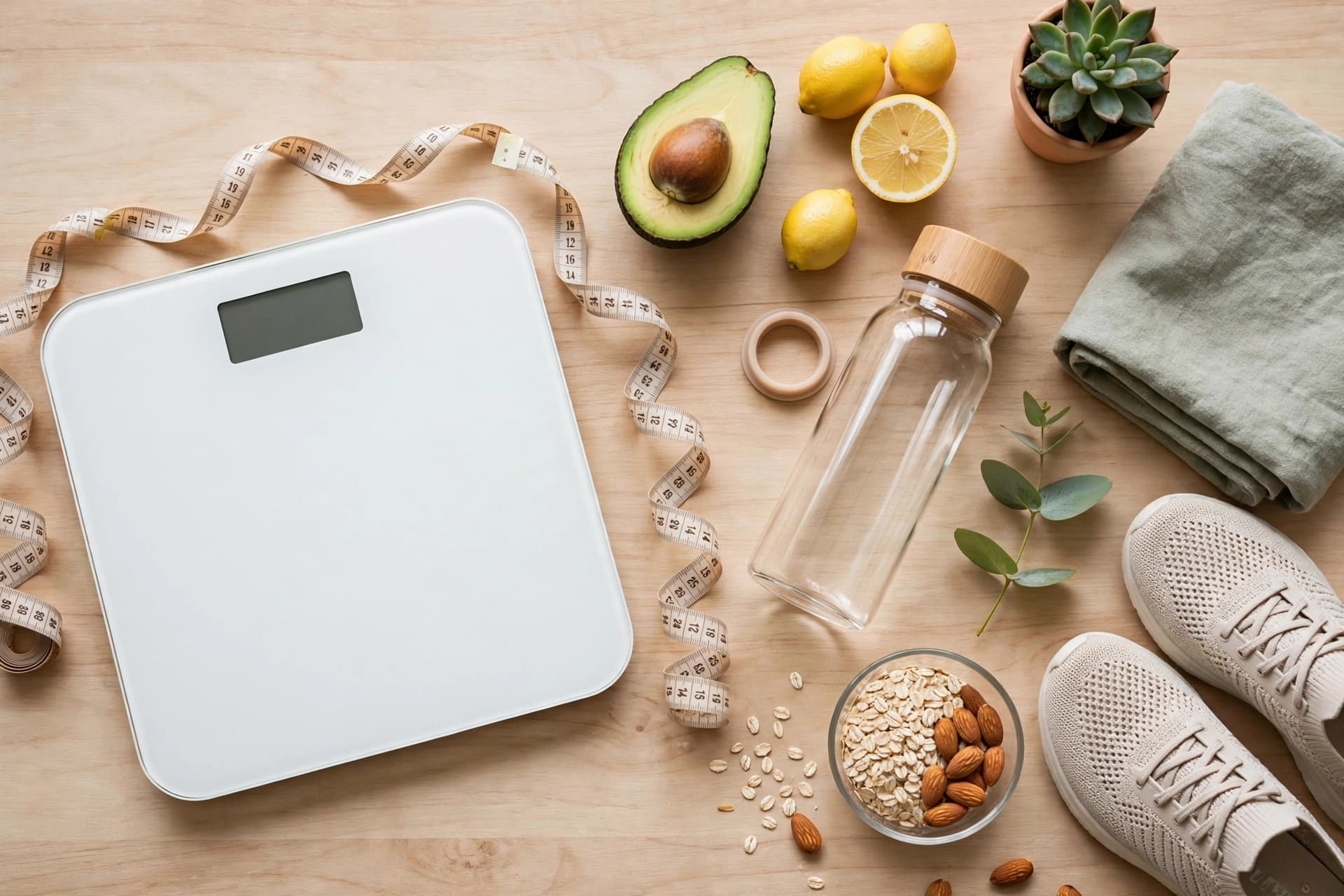
Weight Wellness: Why the Scale Isn't Fluctuating (and What Should Be Done About It)
You are doing everything right: eating healthy, exercising, trying to fall asleep early. But the scale never changes and it starts getting really frustrating. You are tempted to give up or do something drastic. Well, before you do that, here are some explanations as to why the scale may be stagnant and what you can do about it.
Possible explanations for the scale not changing
The body consists of not only fat but also water, muscle and undigested food. Here are some of the possible explanations for the scale not changing:
Water retention: Salt, a hard exercise, new routine or even warm weather may cause water retention and explain why the scale is not changing.
Muscle gain and fat loss: Gaining muscle and losing fat at the same time may make the scale stagnant.
Hormones: Some people experience weight gain or loss due to hormonal changes. Many women gain and lose weight monthly.
Stress and sleep deprivation: Increased stress levels and/or poor sleep may make you retain water and be hungrier than usual.
Physiological adaptation: When you change something in your life it takes some time for the body to adjust to the new circumstances. The body may need some time to adapt to a new exercise and nutrition regime.
Therefore, the scale is just a small part of the bigger picture.
The scale is just an indicator that is useful for tracking progress, but the numbers on the scale can fluctuate due to many things that have nothing to do with your nutrition and wellness. It is very easy to become discouraged if you only focus on the scale and forget that it is just a number. There are many other good indicators that you should pay attention to in order to track your progress and understand how your changes affect you.
Other indicators that you should be aware of
Having more energy throughout the day
Increased strength, being able to tolerate more strenuous activities
Improved sleep quality, waking up less tired
Clothes fit better, even if the waistline and hip size stay the same
Improved mood and decrease in emotional and unnecessary eating
Shorter recovery time between sets during workouts
Being able to do the same things more frequently now without hurting yourself
Having fun with your new lifestyle
When the scale stops changing, the first thing that comes to mind is to eat less. Instead, you might want to try to make your meals more voluminous and more satiating.
Here are some examples of such meals:
Breakfast: eggs cooked any way with whole grain toast and fruit; Greek yogurt with mixed berries and whole grain cereals; oatmeal with peanut butter and banana;
Lunch: whole grain pita with chicken or chickpeas and vegetables; lentil soup with whole grain bread; big salad with mixed greens, beans, cheese, olive oil; last night's leftovers;
Dinner: baked salmon with sweet potato and green beans; stir fry with tofu or shrimp with rice; turkey chili; pasta with mixed vegetables and a protein of choice;
Snacks: apple and peanut butter; hummus with carrots and pita; cottage cheese with a piece of fruit; nuts; popcorn; cheese and crackers;
A treat: chocolate bar;of ice cream or a slice of cake for a birthday, a dessert of choice.
You can have a good mix of any of these meals. Most importantly, include a source of protein, fiber and healthy fats in your daily diet. Do not skip any meals and try to eat at regular intervals throughout the day. A consistent eating pattern helps you keep your energy levels up and avoid overeating due to hunger. Do not overeat during meals: it will only make you feel sluggish and sleepy. If you feel sleepy or irritable during the day it means that you are not getting enough calories to support your daily activities.
Be patient with yourself
It is very tempting to go on a fast or a harder exercise regimen when the scale stops working for you. Instead, try to be patient and trust your program. Being too strict with yourself will only lead to failure and more disappointment. Do not forget to eat and do exercises that you enjoy and that make you happy. Take your rest days seriously and try to get enough sleep. If you follow these pointers consistently, you will notice a change in your energy levels and mood. Do not forget to measure your achievements in life outside of the scale and the numbers. If you are really concerned about your weight, diet or general wellness it is a good idea to consult a medical professional for some outside advice.