
What to Eat During Pregnancy
16 Oct 2026
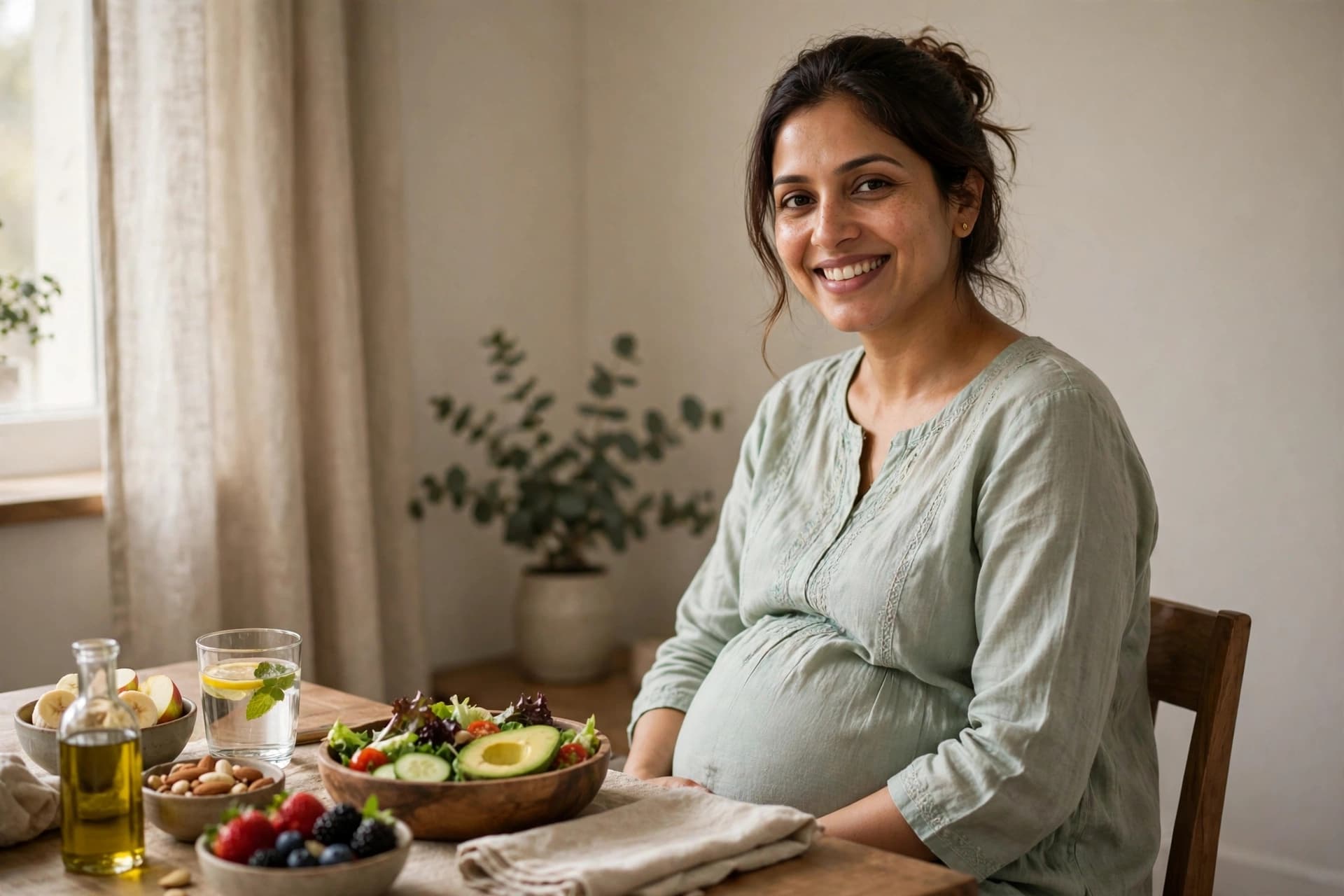
What to Eat During Pregnancy
Pregnancy often comes with endless diet advice from family, friends and the internet, much of it contradicting itself. It can be hard to know what to eat and what not to eat.
The good news is that it does not require a complicated or demanding strategy to eat well during pregnancy. Most of what is good for you and the little one is found right in the Indian pantry: dals, greens, dairy, seeds and seasonal fruit.
Proteins
Proteins aid in the production of tissue for both you and your child. You can get these from:
Dals like moong, masoor, toor and chana in the form of dal, soup or khichdi
Eggs that are properly cooked until both the white and the yolk are firm
Paneer and curd
Well-cooked fish from low mercury varieties like rohu, catla or sardines
Lean meat like chicken, cooked properly
Chickpeas, rajma and soy products for plant based proteins
Iron-rich foods
Iron aids in the production of extra blood that you need during pregnancy. Good sources of this mineral are:
Leafy greens like spinach, fenugreek (methi) and amaranth, are well-washed and cooked.
Jaggery, in small amounts as a replacement for refined sugar.
Lentils and legumes
Dates, raisins, dried figs
Vitamin C rich foods like lemon, amla or oranges eaten with meals to improve iron absorption from plant sources
Calcium-rich foods
Calcium helps in the development of your child’s bones, teeth as well as your own. You can get calcium from:
Milk, curd and buttermilk made from pasteurised milk
Paneer and cheese made from pasteurised milk
Sesame seeds (til), in chikki, ladoos or as toppings
Ragi, in the form of porridge, roti or dosa
Almonds and tofu
Folate-rich foods
Folate, a B-complex vitamin, is essential for cell growth and division. Folate can be found in:
Citrus fruits like oranges and sweet lime (mosambi)
Beans, peas and chickpeas
Leafy greens like spinach, fenugreek
Broccoli and beetroot
Whole grains and fortified cereals
Healthy fats
Healthy fats contribute to your child’s brain and nervous system development. You can get healthy fats by including the following in your diet:
Nuts like almonds and walnuts
Seeds like flaxseed, chia, pumpkin and sunflower
Ghee in small amounts like a spoonful added to dal or roti
Everyday cooking oils like mustard, groundnut or olive oil, in small amounts
Hydration
Hydration promotes good digestion, better circulation and overall comfort. Some simple ways to stay adequately hydrated are:
Plain water, sipped throughout the day
Coconut water and lime water with minimal sugar and salt
Buttermilk and soups
Water-rich fruits and vegetables like watermelon, cucumber and oranges
Herbal teas, after consulting your doctor
Foods to limit or avoid
Some foods are generally advised to be limited or avoided due to the risk of infection or other reasons. Please consult your doctor for a personalised list.
Raw or undercooked meat, fish and eggs
Unpasteurised milk and dairy products
Too much caffeine from tea, coffee and certain soft drinks
High mercury fish like shark, swordfish and king mackerel
Raw or semi-ripe papaya
Unwashed fruits and vegetables or cut fruits from an unreliable source
Alcohol
Fresh, home-cooked meals with a variety of foods are a great start. Eating meals on a regular basis and including something from each of the above groups will help you get the majority of your nutritional needs met. If you have a medical condition, food allergies or certain dietary preferences, a doctor or registered dietitian can help you create a plan that works for you.