
What Your Grandma Knew About Food That We Forget
19 Oct 2026
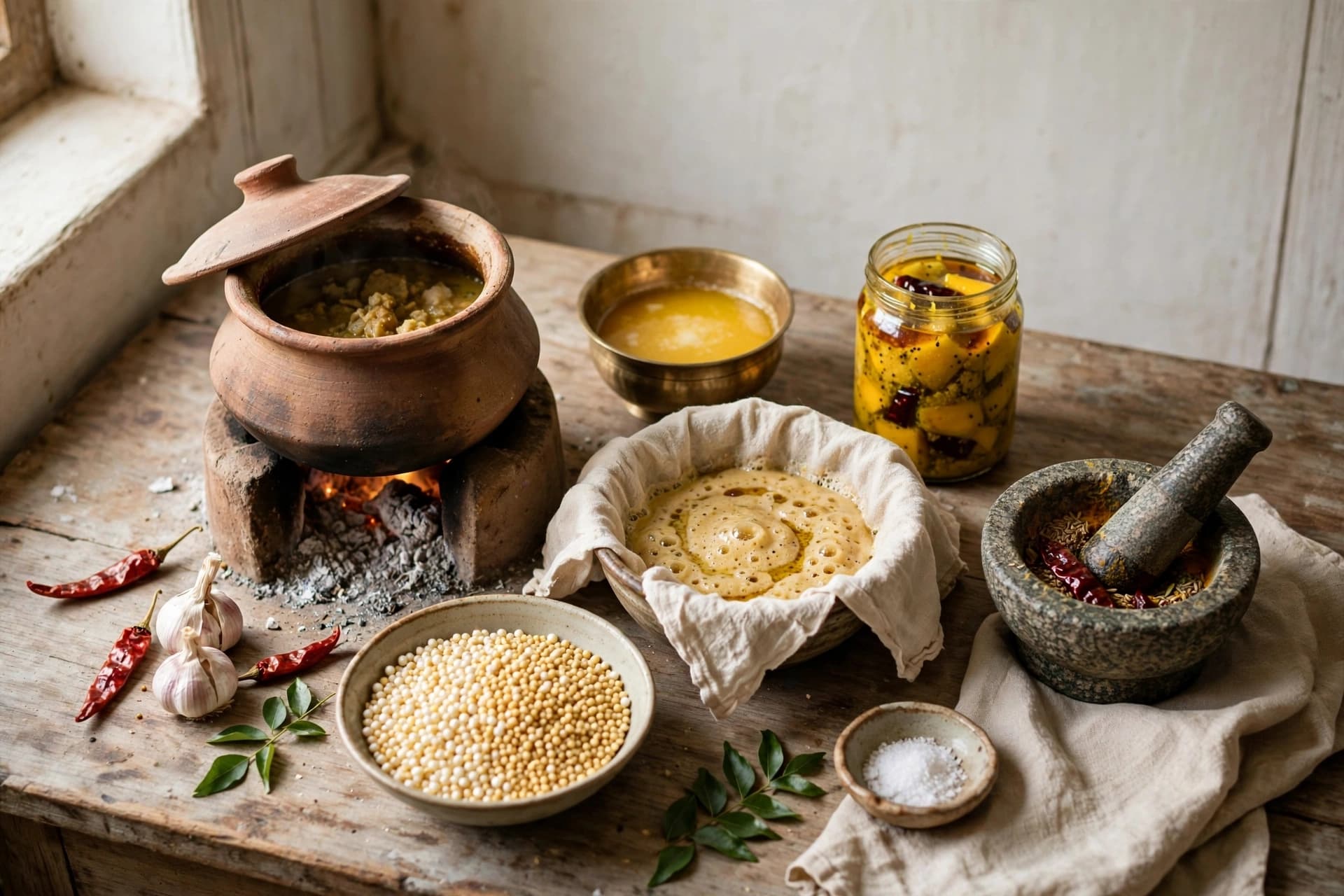
What Your Grandma Knew About Food That We Forget
My grandmother never worried about the macro ratio and never thought about gut health, and I highly doubt she ever considered a smoothie for breakfast. Nevertheless, she managed to feed a family of six with minimal resources and live a healthy and long life till her nineties without stepping into the vitamin section of the local pharmacy. I think about her often while trying to figure out what to put on my plate today and what to avoid because it is processed food.
We have somehow managed to complicate eating to such an extent that we forget some of the best nutrition practices have been tried, tested, and used for centuries.
Eating in seasons
Grandma did not have the privilege of buying food in December that only grows in June. It was not a conscious decision; it just happened that in winter there were only the products preserved from the previous seasons. It might have been a conscious choice for her to avoid eating the same foods throughout the year, but either way, it helped her to diversify the diet without hurting the environment. We are so used to having everything available at any time that we forget the joy of anticipation and the taste of a real seasonal product. It is not that we consciously chose to buy out-of-season foods, but we somehow lost the connection with what is normal in terms of nature and agriculture calendars.
Making real food from scratch
She did not have a variety of packaged and processed foods in her pantry. She could not just open a packet of instant noodles and make a meal out of it. She had to put in the effort to cook a real meal with real ingredients that she either grew, raised, or bought. As the access to convenience foods became a norm, it seems that we lost the connection to our food and the process of making it. It is not that we cannot eat processed foods, but a large amount of them makes us lose a part of our daily rituals. Our ancestors did not have such options, therefore cooking was a must. It was a laborious process but at least it gave them satisfaction that they ate real food.
Fermentation, preservation, and pickling
Making foods with extended shelf life was the way to feed the whole family through hard times. Sauerkraut, pickled cucumbers, jams, cured meats, and many other preserved goods were the staple foods in every grandma’s kitchen. Grandma never worried about the science behind fermented foods; she instinctively knew that she needed to do that in order to have a supply of food through the winter seasons. Today many health-oriented people invest in fermented dairy products and probiotics to improve their gut health without even realizing that those are traditional methods of food preservation that have been used long before refrigerators.
Slow cooking and eating with together
Grandma’s dinners were usually slow-cooked meals full of flavor that were eaten at the dinner table with everyone around it. Grandpa, kids, and parents all had their plates of food with multiple courses that took a lot of time and effort to prepare. Nevertheless, no one was in a hurry to finish the meal; everyone was enjoying the food and the moment. It seems that the ability to eat mindfully has been lost subconsciously because now we can eat anywhere, at the dining table, on the sofa, in the car, at the office, and even in the bath tub. However, it is a well-known fact now that eating slowly and sharing meals with others is healthy for both body and mind.
Using natural ingredients and avoiding artificial additives
Grandma’s pantry never had a variety of artificial seasonings, replacements for sugar or fats, or liquid smoke. She either used natural products or substituted them with real ingredients. If the recipe asked for chicken stock, she would make it herself. When she wanted something sweet, she would use sugar or honey. There is something beautiful in understanding which ingredients can be used as substitutes for others and trusting the natural flavors of real vegetables, meat, and other products.
Natural remedies over artificial ones and trusting the body
Chicken soup and rest was the grandma’s cure for a cold, ginger tea and light diet for an upset stomach, warm milk and tryptic acid for sleep problems. There was no need for various herbal teas, vitamin complexes, and medications with dozens of ingredients that we purchase nowadays. Grandma’s remedies were simple, sometimes without any proven benefits, but she knew her body and trusted her instincts to heal it. Of course, there are conditions and diseases that cannot be treated with rest and warm soup, but often the symptoms can be calmed down with simple remedies that do not require a prescription and multiple unnatural ingredients.
Some of the healthy habits that I think we can learn from our grandmothers are:
-cooking real meals for themselves and their families at least a few times a week;
-buying seasonal products at the local farmers’ market;
-trying to ferment or preserve foods at least once a year;
-sharing meals with others slowly and mindfully;
-using real ingredients like butter, oil, sugar or its substitutes instead of multiple artificial seasonings and additives;
-making natural remedies from ingredients that are always in the pantry;
-making a stock or soup that can be served when someone is not feeling well;
-and never throwing away leftovers but rather using them as the basis for new meals.
Of course, grandma would be the first one to criticize our modern-day habits of buying prepared meals from the supermarket and throwing them away after one use. She would have liked having a dishwasher to help with the dishes but would be surprised and maybe offended that her generation used to do it without any assistance. She would also be thrilled about the opportunity to travel and experience different cuisines but would still stick to her traditional recipes without even considering changing them. The point is that somewhere between generations, we lost the connection to our food and daily rituals. We accumulated thousands of products to make our lives easier without even realizing that a simple home-cooked meal is all we really need. Perhaps the best wellness trend that we can adopt today is a healthy eating habit grandma has taught herself long ago.