
Why PMOS spikes in teens and Gen Z ? And how to Intervene Early
19 Oct 2026
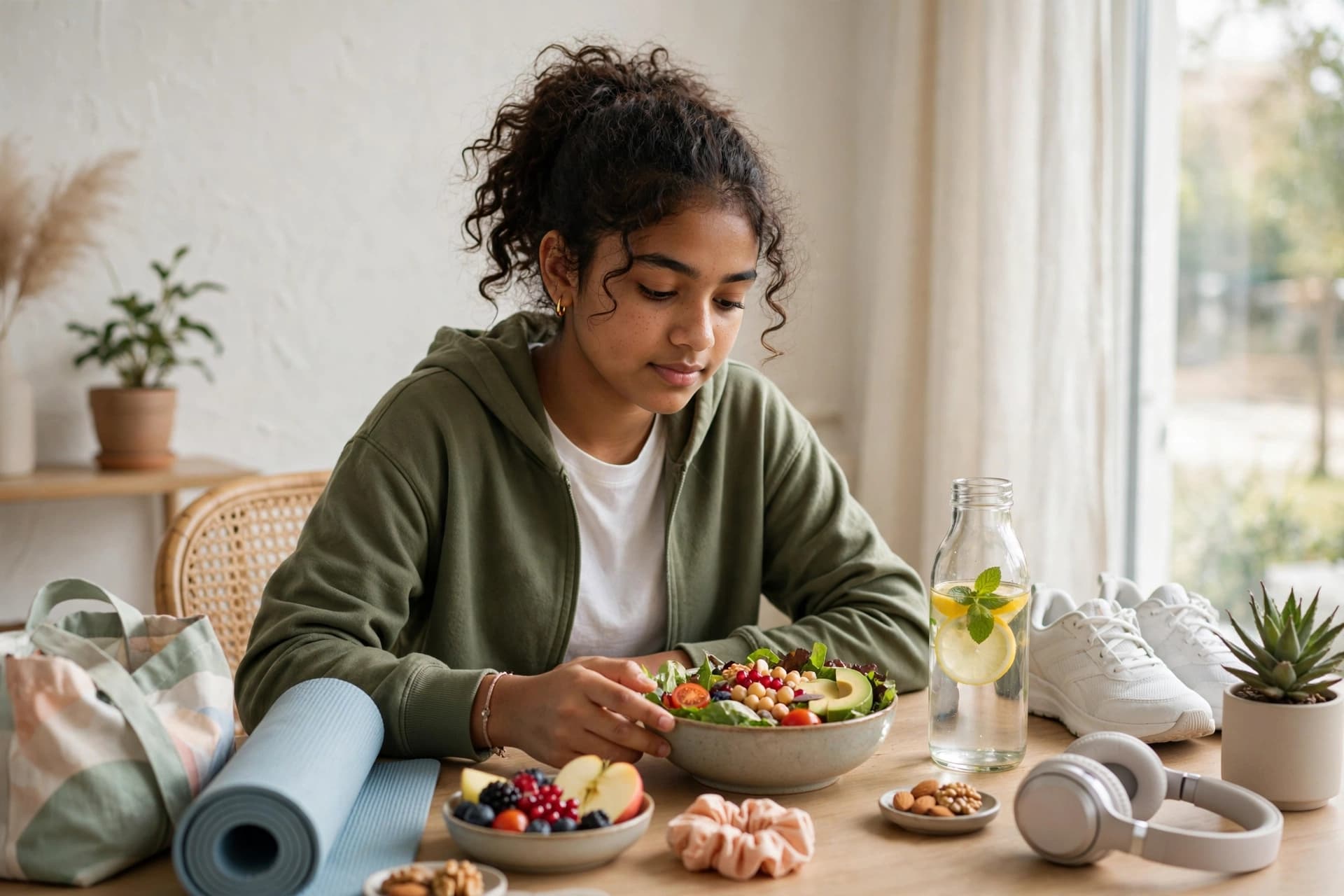
Why PMOS spikes in teens and Gen Z ? And how to Intervene Early
Nowadays, PMOS is as common as the common cold and flu. In today’s fast-paced urban lifestyle and variety of food options to eat, and in addition to that, longer screen time, especially at times. So let's understand the factors and the intervention for PMOS.
Metabolic disruptors include insulin resistance, adiposity, and gut dysbiosis. Some endocrine-disrupting chemicals: environmental and dietary toxins (such as plastics, pesticides, and heavy metals) can mimic or interfere with natural hormones, aggravating metabolic and ovarian dysregulation.
Consumption of high-glycemic & Ultra-processed Diets: today, at every corner there is a cafe or convenience store, so the consumption of pizzas, burgers, French fries, pastries, bakery items, and processed packaged food has increased a lot, which leads to inflammation, increased blood sugar, and insulin resistance.
Sedentary screen time: whether you are in a public space or at home, most of us find ourselves looking down at the screen even while eating food, and at times, especially, the blue light blocks melatonin production, which leads to disruption in hormones.
Chronic stress: Most of the teens and Gen Z deal with chronic stress because of exams or work pressure at work place. But managing it effectively is a must.
The Fix for this:
Low-GI foods in the diet, like fruits and vegetables, whole grains, and beans.
High-fiber foods can help combat insulin resistance by slowing down digestion and reducing the impact of sugar in the blood, which may be beneficial to women with PMOS
Lean Protein such as Paneer, tofu, chicken, and fish
Anti-inflammatory foods, omega-3 acids, fresh fruits, and vegetables, ginger turmeric tea.
Consume pumpkin seeds, flaxseeds, and chia seeds
Consume probiotics and prebiotics by consuming Greek yoghurt and chia seeds, and fruits
Avoid highly processed foods and sugary foods and drinks.