
Winter Skin Care – What Foods Can Help?
9 Nov 2026
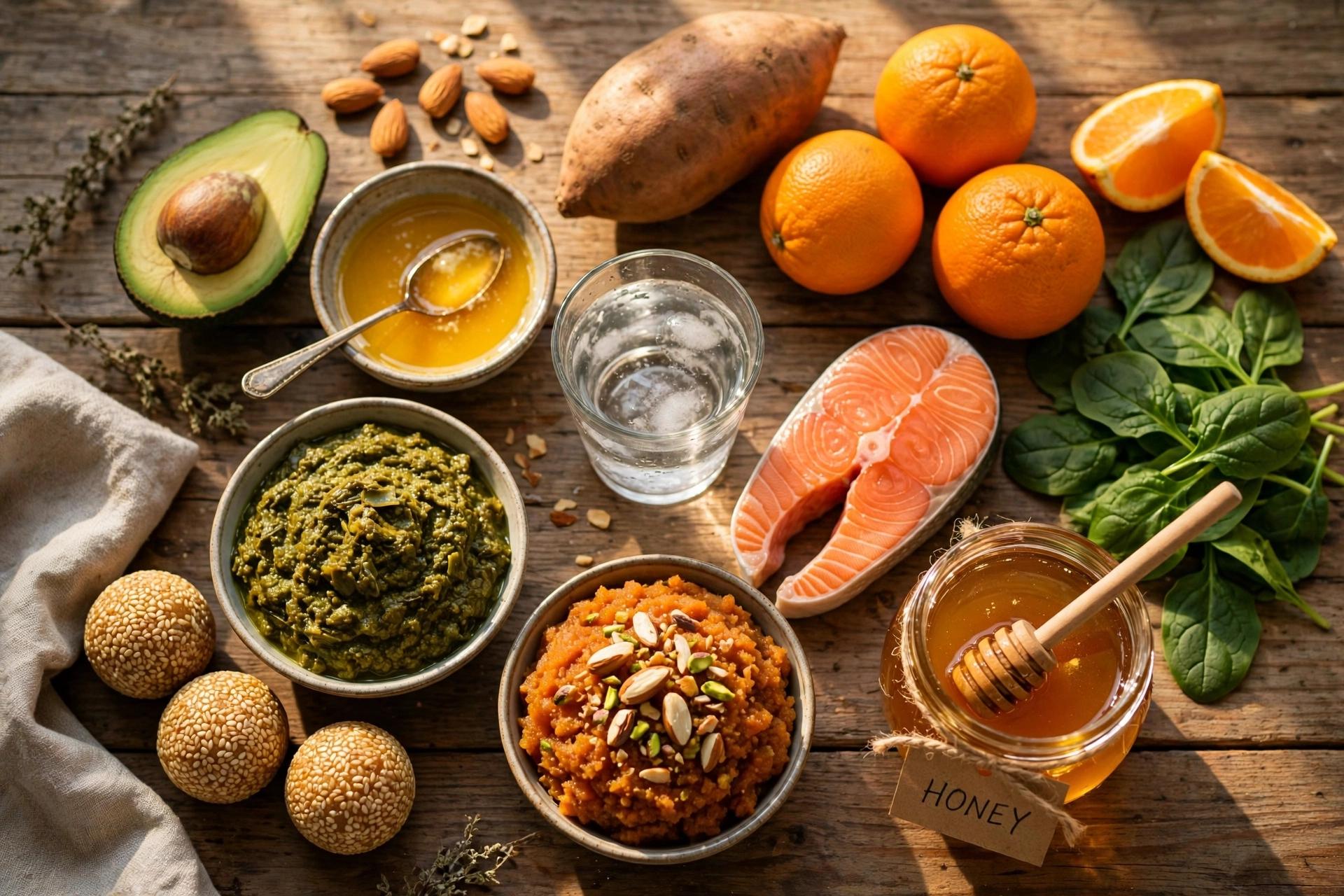
As temperatures drop and the air becomes dryer we can often feel our skin becoming tighter, flaky or itchy. Many of us turn to food to help with our skin. While this is a good place to start with, there are many factors which affect our skin including but not limited to our genes, weather, heating, showering, skincare, sleep, stress, hormones and medical conditions. While our food can play a role in helping our skin overall, it won’t cure dryness or create a certain look and cannot replace using moisturisers and sunscreen. Regardless of how your skin is behaving this winter, it’s important to look after your skin.
Why we get dry skin in winter
Our skin contains a layer which helps to lock moisture in. During winter the humidity level drops meaning more moisture is lost from our skin. Having hot showers, using harsh soaps and having heated rooms can cause our skin to feel dry or rough.
Foods which can help
There is still a lot of research being done around specific foods and how they can help our skin retain moisture. Everyone’s skin will react differently. Eating a variety of healthy foods is key. It’s important to think of your food as part of your routine to help your skin.
Almonds and walnuts – Soaked overnight and eaten in the morning. Or added to porridge and sweet.
Flax, sesame, pumpkin and sunflower seeds – Sprinkled on salads, curd and rotis. Or ground down into chutneys.
Sardines, mackerel and salmon – Curried, grilled or pan fried.
Ghee and oils – A little spoonful added to dal, rice and/or roti.
Amla, guava, oranges, kinnow and lemons – Eaten fresh, made into chutney. Or squeezed over food. Our bodies use vitamin C to create collagen.
Tomatoes and capsicum – Cooked into sabzis and soups or used raw in salads.
Carrots, sweet potato, pumpkin and papaya – Roasted, boiled, cooked into sabzi or eaten as a fruit.
Spinach, sarson, methi and bathua – Cooked into saag, wrapped into parathas or added to dal.
Peanuts, chickpeas and dals – Snack. Or added to chana masala and/or everyday dals. They contain vitamin E and zinc.
Eggs, paneer, curd, sprouts, soya, fish and chicken – High in protein which is great as our skin is constantly regenerating.
Cucumber, radish, soups and buttermilk – High in water.
Warm water, herbal teas and coconut water – Easy ways to increase fluid intake.
A few notes to remember. If you’re relying on vegetarian sources of Omega 3 (flax and walnuts) these work differently to fish, therefore a dietitian can help advise you. Vitamin A isn’t the more the better. It should come from food and not unprescribed supplements. We tend to drink less in the colder months, having water will help with overall hydration but will not cure dry skin.
Traditional winter foods such as til chikki and ladoos, gajar halwa, methi parathas, sarson ka saag with makki roti, bajra and ragi rotis and kadha or warm milk are all great foods to eat during the winter months. Focus on portion control and overall balance. Don’t feel guilty!
Other tips:
Use lukewarm water when showering. Use a gentle cleanser.
Moisturise straight after your shower.
Wear sunscreen in the winter.
Wear breathable clothing.
Use a humidifier. Or place a bowl of water in your dry rooms.
Protect your lips, hands and feet.
Ensure you are getting enough sleep.
Patch test any new skincare products. Don’t try lots at once so you know what works for your skin.
Things to be aware of:
Some people may feel that very sugary or highly processed foods affect their skin. There is conflicting evidence around specific foods affecting skin conditions. Too much alcohol and very high amounts of caffeine can cause dehydration. There is nothing you can’t eat and there is no need to feel guilty. Pay attention to how your body reacts and ensure you are having a variety of foods.
Myths:
‘Drinking more water will cure dry skin’ – Drinking water can help with overall hydration however there are many reasons why we get dry skin. Using a moisturiser and gentle shower is key.
‘Using ghee or oils in your food will moisturise your skin’ – Oils and fats should be included as part of a balanced diet but won’t act as a moisturiser.
‘Taking skin supplements and collagen powders will help’ – There isn’t much evidence to show these will help. Eating regular meals and using everyday skincare is a better option.
‘Drinking lemon water will give you better skin’ – Lemon contains vitamin C however having one glass won’t make a difference. Eating a variety of fruits and vegetables will be more beneficial.
‘Having hot showers will help with winter skin’ – While it can feel nice to have hot showers, they can strip moisture from your skin. Lukewarm water is a gentler option.
When to see a Doctor:
If your skin is very dry, cracked, itchy, red, flaky or sore. If you have patches that aren’t improving, a sudden change or if you’re experiencing skin issues along with fatigue, hair loss, weight changes or feeling very cold. These can indicate skin issues such as eczema, psoriasis, fungus, thyroid issues, anaemia or nutritional deficiencies. Only a doctor/dermatologist can tell you what is going on.
If you have diabetes, kidney issues, allergies, are pregnant or on regular medication please speak to a doctor/registered dietitian before making large changes to your diet.
Nuts and seeds are common allergens so avoid it if you or anyone in your family suffer from an allergy. Whole nuts and seeds can be a choking hazard for young children so offer in an age appropriate way.