
Women's Wellness: Eating Right with PCOS
16 Oct 2026
Women's Wellness: Eating Right with PCOS
If you have PCOS, you've probably encountered a cornucopia of contradictions about what to eat. Some of it can be reassuring, but a lot of it can also make you question every choice you've ever made in the kitchen. So let's cut to the chase: food can do a lot to help you feel your best and manage your PCOS, but it's unlikely to do the job on its own. PCOS is a hormonal condition, and a healthy, balanced diet is only one part of a multifaceted approach to managing it.
Why blood sugar matters with PCOS
Many PCOS patients have insulin resistance - meaning that they have difficulty processing blood sugar. Insulin is the hormone which allows your cells to absorb sugar from the bloodstream, and in cases of insulin resistance, the cells don't respond as they should. As a result, your body may produce more insulin to compensate, which can wreak havoc on the rest of your hormonal system. This can contribute to issues like irregular periods, adult acne, and unwanted hair growth, among others. It's also fairly common - most PCOS patients will have some degree of insulin resistance, though it's not universal. Either way, it's an issue worth addressing.
This is why blood sugar management is such a vital part of PCOS care. Which brings us to balanced meals
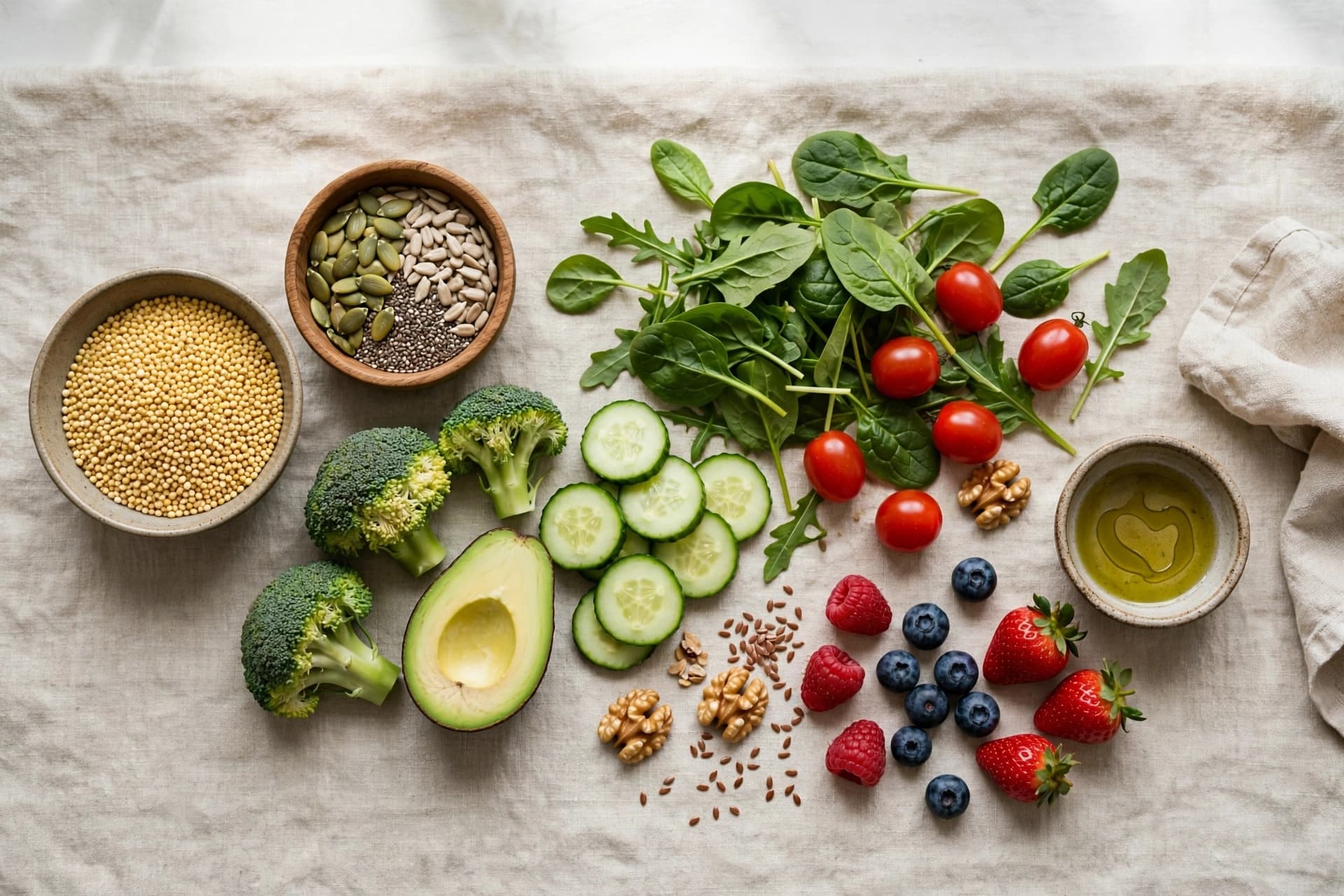
Having a meal which contains a good mix of proteins, fibers, and healthy fats will usually keep you full for longer and prevent dramatic spikes and nosedives in your blood sugar. Carbohydrates aren't inherently bad - white rice, potatoes, bread, fruits, and even oats can be a part of a healthy diet. But carb-heavy meals should probably be balanced with other kinds of nutrients. It's usually easier to do this by simply avoiding overly processed foods.
Another vital change is toavoid skipping meals.
When you're starving, you're much more likely to grab the first thing you see, regardless of whether it's healthy or not. Eating regularly throughout the day will also help you avoid blood sugar swings and keep your energy levels stable.
Some other diet-friendly lifestyle changes which can help you develop sustainable PCOS-friendly eating habits are as follows:
Make meals which mainly feature a protein source such as eggs, chicken, fish, tofu, lentils, beans, Greek yogurt, paneer, etc.
Add fiber with vegetables, fruits, oats, brown rice, whole wheat bread, legumes, chia seeds, etc.
Healthy fats are also important - think olive oil, avocado, nuts, seeds, and salmon.
Pair carbs with proteins and fats to slow down digestion and prevent blood sugar spikes.
Make small swaps wherever possible, such as using legumes in place of some of the rice in your meals, adding fruits to your morning oats, or topping your salad with nuts.
Keep healthy, protein-packed snacks on hand, such as hummus, veggies, cottage cheese, almonds, and boiled eggs. Avoid skipping meals in between, as doing so can lead to unhealthy cravings and binges
Drink plenty of water throughout the day, and have tea or coffee if you like them.
None of these changes have to be considered in isolation, or for all PCOS patients. Everything should be adapted according to your specific requirements, which is why it's important to consult a healthcare professional before making any significant diet or lifestyle changes.
Crash dieting is usually a bad idea
As mentioned above, PCOS patients often struggle with weight gain due to a variety of factors, including hormonal dysfunction. This can lead to extreme pressure to go on crash diets and fast weight loss, but this is usually a counterproductive way to tackle the issue. Severely limiting your calorie intake or cutting out entire food groups can lead to extreme fatigue, irritability, and - ironically - cravings for unhealthy foods. This can also lead to a vicious cycle of binging and crash dieting which can be incredibly taxing on your mental and physical health and undo any potential benefits. PCOS patients are especially sensitive to these kinds of stresses, so such a diet is usually inadvisable on top of being unsustainable in the long term.
There is no one-size-fits-all PCOS diet
PCOS is a broad spectrum disorder which manifests in vastly different ways in different people. There are patients who struggle with severe weight gain and insulin resistance despite efforts to the contrary, people who are underweight and anemic, people whose PCOS only manifests hormonally and not metabolically, etc. This is why a lot of popular PCOS 'diets' or 'regimens' might not work for you - or, worse, could be outright harmful. Even if a certain medication or supplement seems to be working for someone on social media, that doesn't mean it'll have the same effect for you or anyone else.
That's why it's so important to go to a doctor and get blood tests done to assess your unique situation.
If you're considering medication, a hormonal assessment might be necessary to prescribe the right kind of contraceptive or insulin regulator for you. If you're considering making any major dietary changes, a professional dietitian can help you devise a sustainable plan according to your needs. This goes doubly so if you're on medication like metformin to regulate blood sugar, as it can interact with other substances.
None of this is to say that you have to be perfect about your diet. Small sustainable changes are usually healthier and more effective in the long run than extreme but short-term measures. Be gentle with yourself while you're figuring everything out!